London Oratory
Discover the London Oratory’s history, architecture, worship life, and visiting tips—an important Catholic landmark .
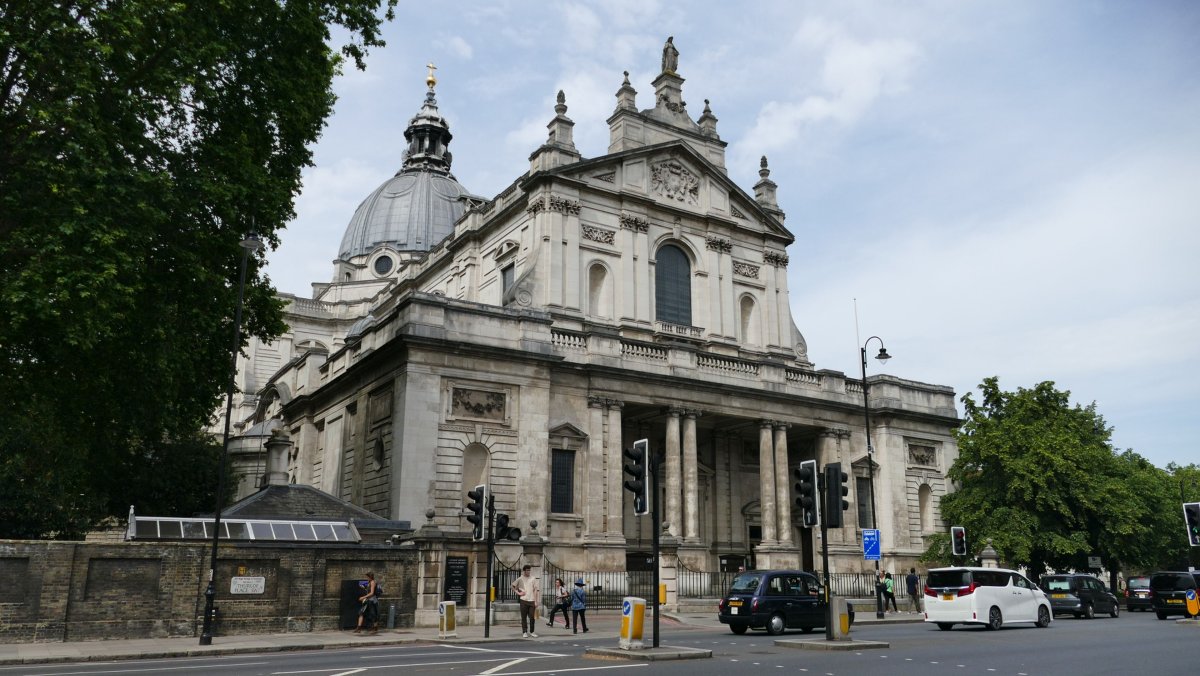
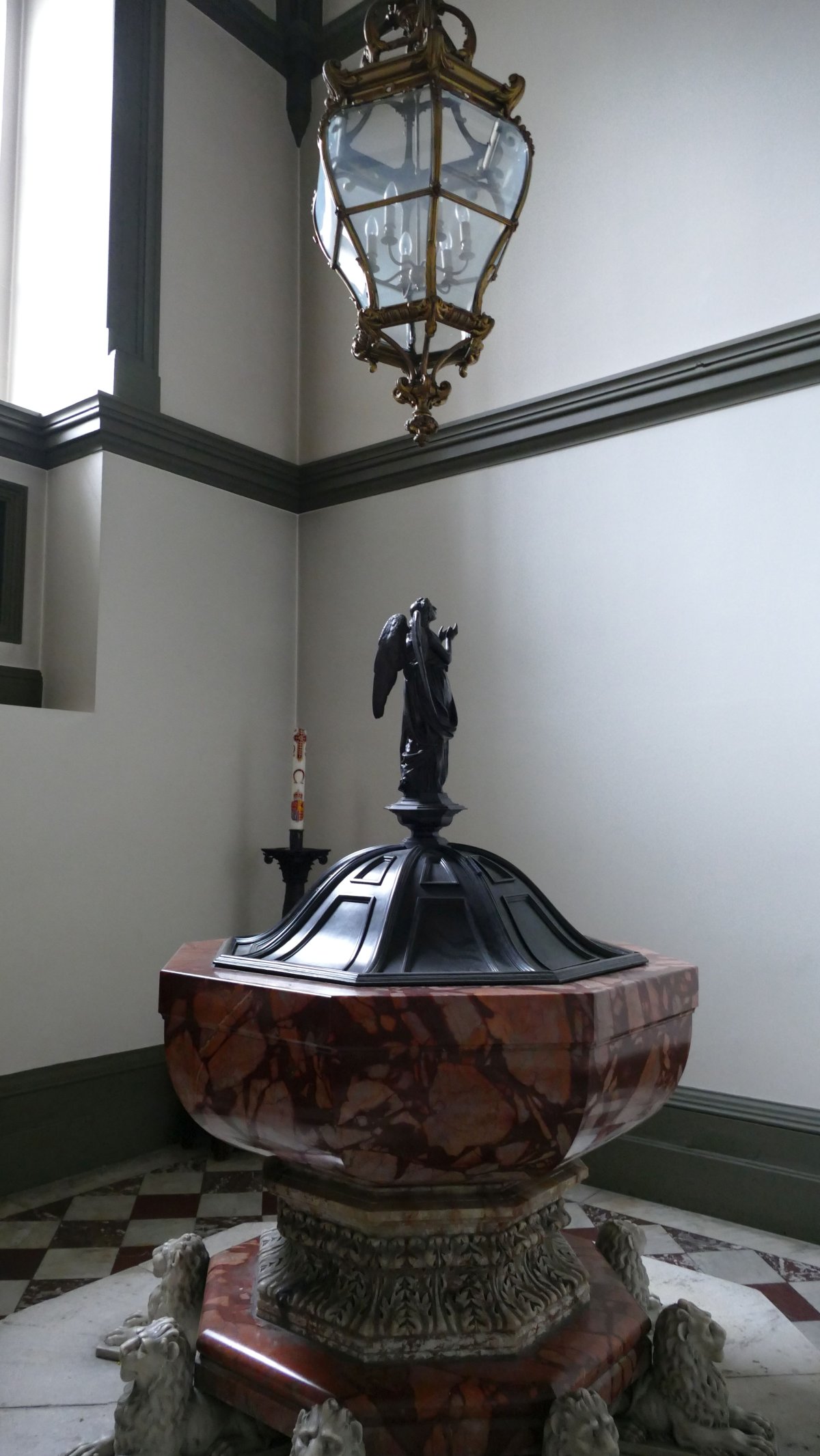
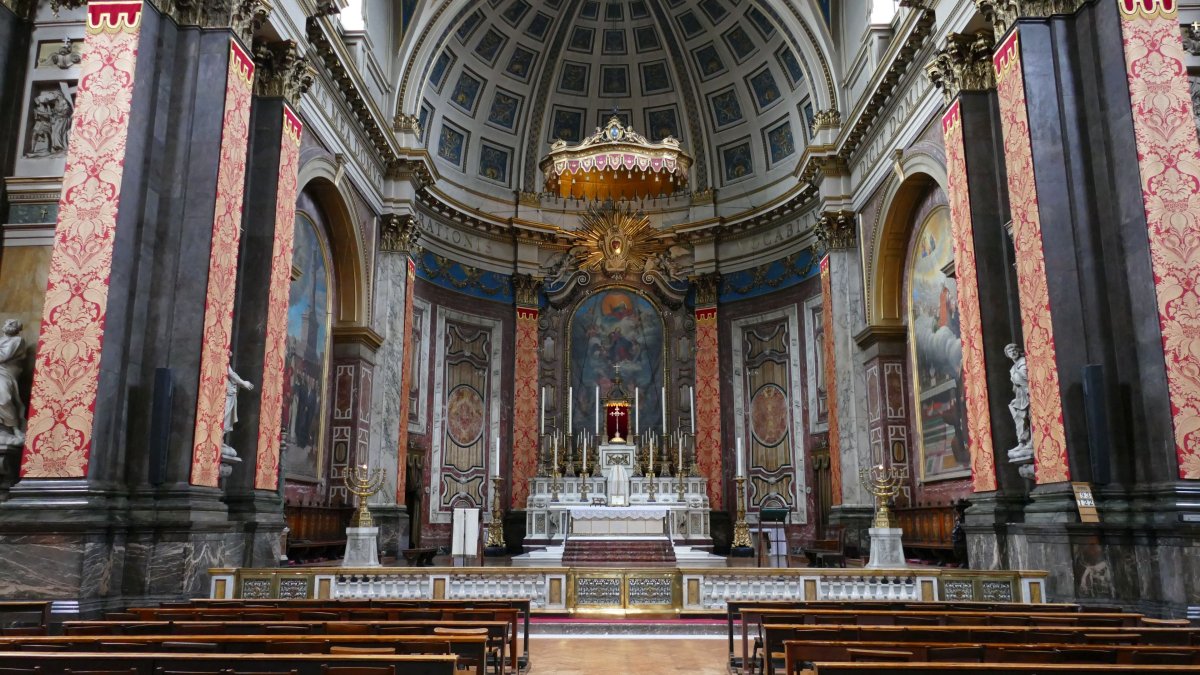
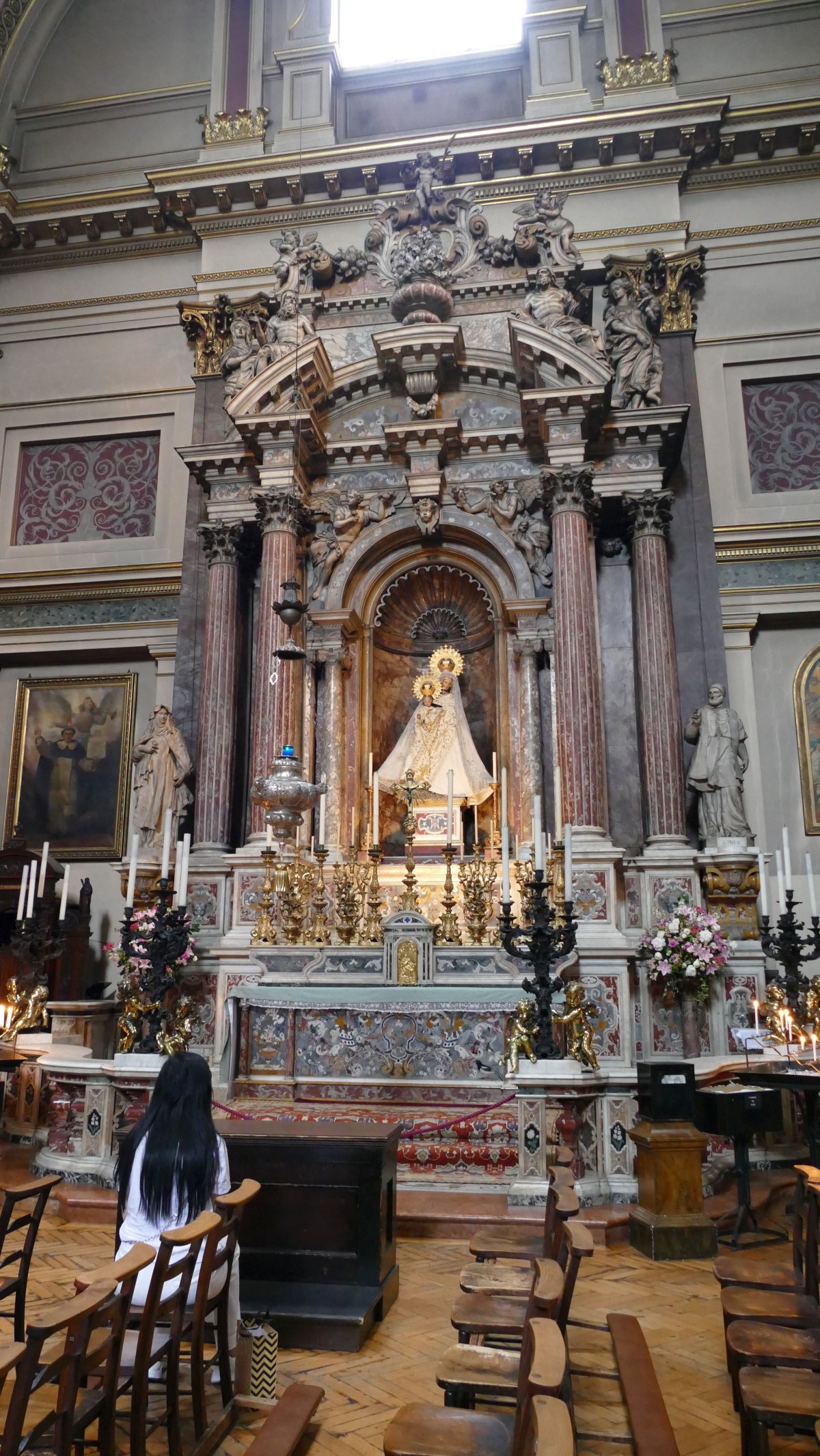
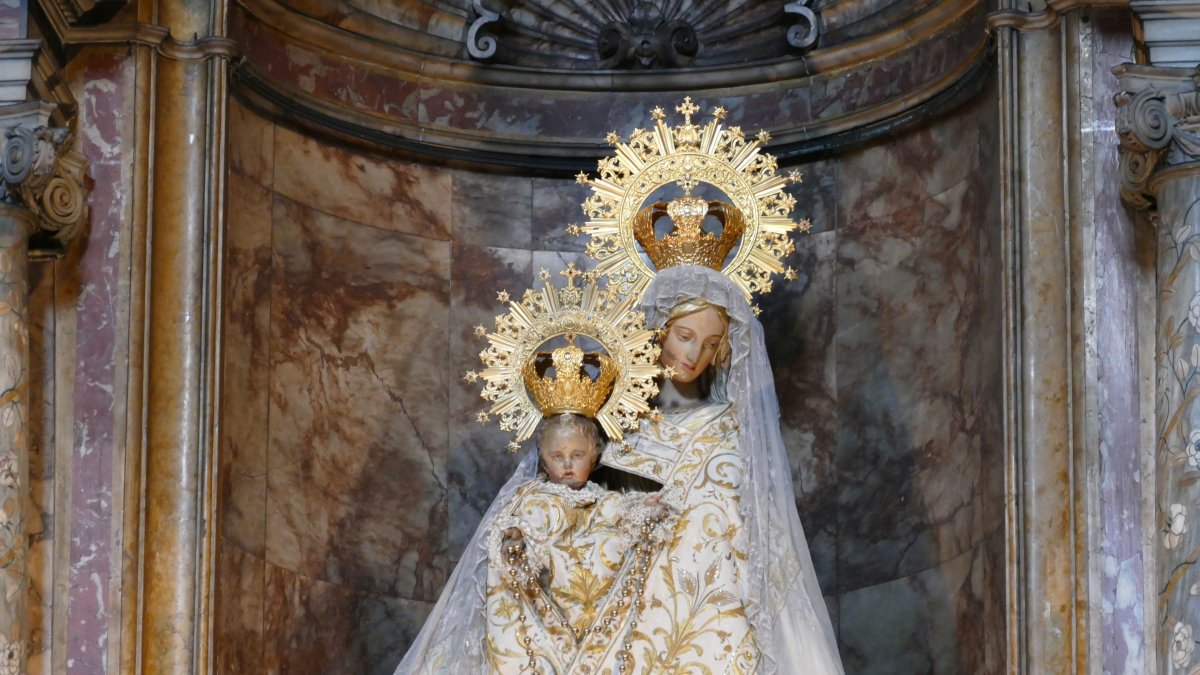
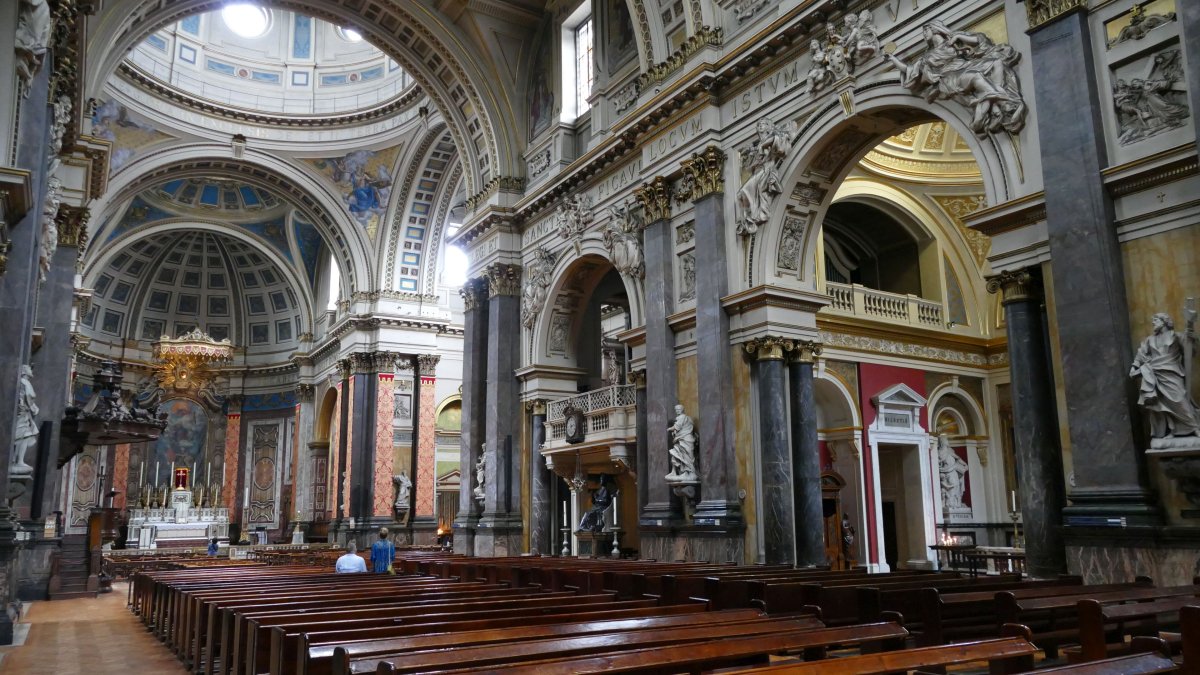
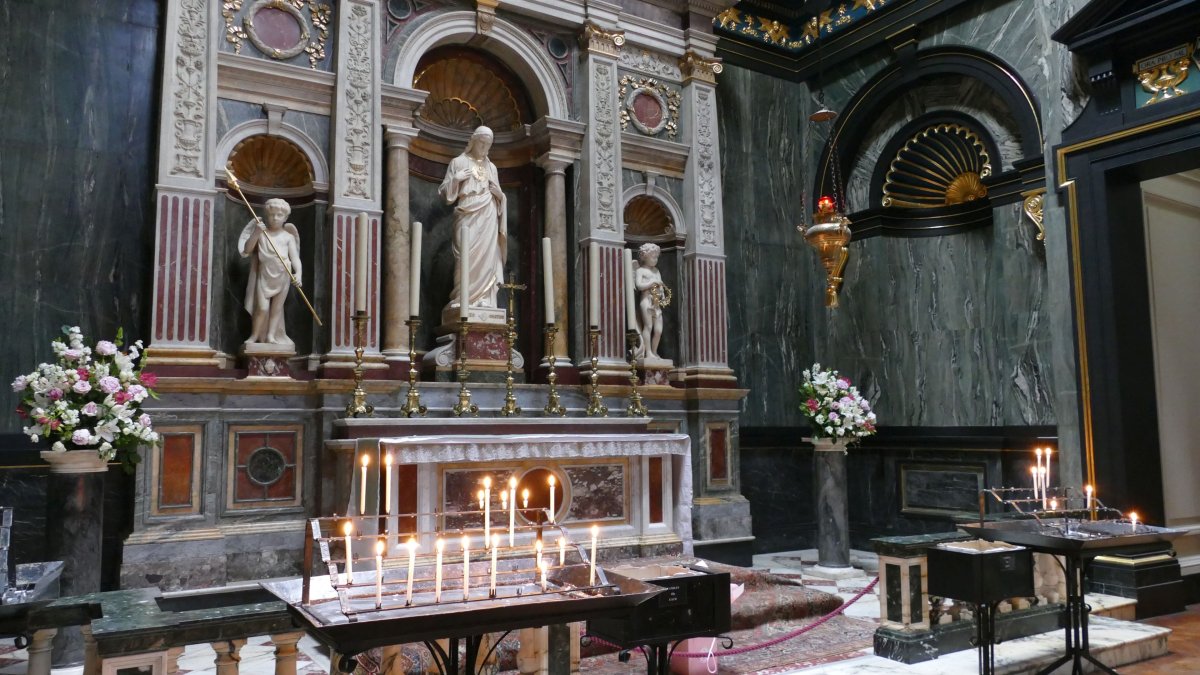
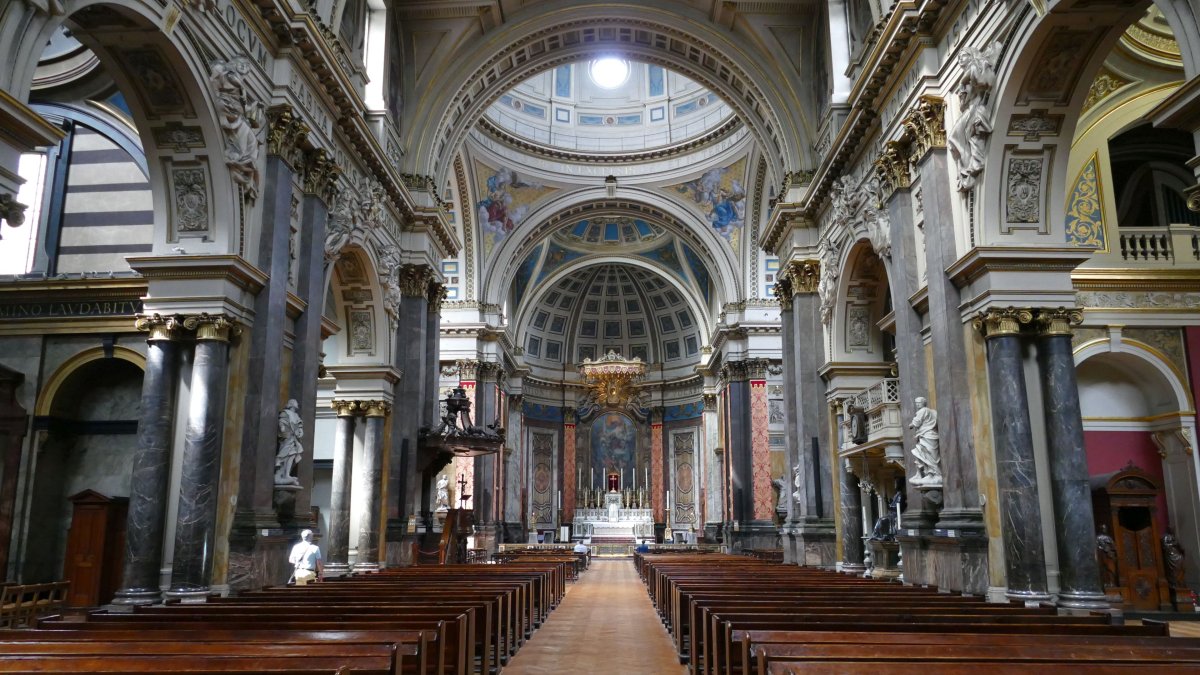
The Oratory is a Catholic parish church in the Brompton Road in the Royal Borough of Kensington and Chelsea, neighbouring Knightsbridge. The London Oratory is one of London’s most compelling Catholic landmarks—known for its rich spiritual life, beautiful sacred music, and a history that reaches deep into the city’s religious story.
The Oratory’s presence offers more than a place of worship: it provides a living rhythm of prayer, community, and pastoral care that draws visitors from across the UK and beyond. Whether you are exploring London’s historic churches, planning a pilgrimage, or seeking a calm space in a busy capital, the Oratory’s atmosphere invites attention and reflection.
Founded by the Oratorians, a Catholic religious community inspired by Saint Philip Neri, the London Oratory has become closely associated with reverent liturgy and a welcoming culture of faith. The Oratory tradition emphasizes joyful devotion, careful preparation for worship, and a strong sense of community life. Over time, the church has developed a distinct identity through its services, its music, and its ongoing mission within the wider city.
At the heart of the London Oratory’s appeal is its role as an active parish and spiritual home. The community’s daily schedule brings together worshipers, families, students, and visitors—people who come for Mass, for moments of silence, for confession, or simply to experience the atmosphere of a church that is both historic and genuinely alive. The Oratory’s accessibility and pastoral focus help visitors feel at ease, while the solemnity of the liturgy provides a powerful sense of continuity with the Church’s wider tradition.
History and the Oratorian spirit
The London Oratory belongs to the wider Oratorian family, established by Saint Philip Neri in the 16th century. The Oratorian approach is distinctive: rather than living under monastic vows in a cloister, the community forms around common worship, study, and pastoral service. This model shaped the way Oratories developed across Europe, and London’s Oratory reflects that same spirit—grounded in prayer and supported by a strong emphasis on formation.
In London, the Oratory’s story is inseparable from the broader context of Catholic life in the city, particularly during periods when religious identity and public worship carried complex historical pressures. Over generations, the Oratory became a steady point of spiritual presence, offering a sense of stability and continuity. Its growth also mirrors the city itself: as London expanded and diversified, the Oratory’s mission adapted while remaining rooted in the same core principles of worship, charity, and community.
Architecture, atmosphere, and sacred space
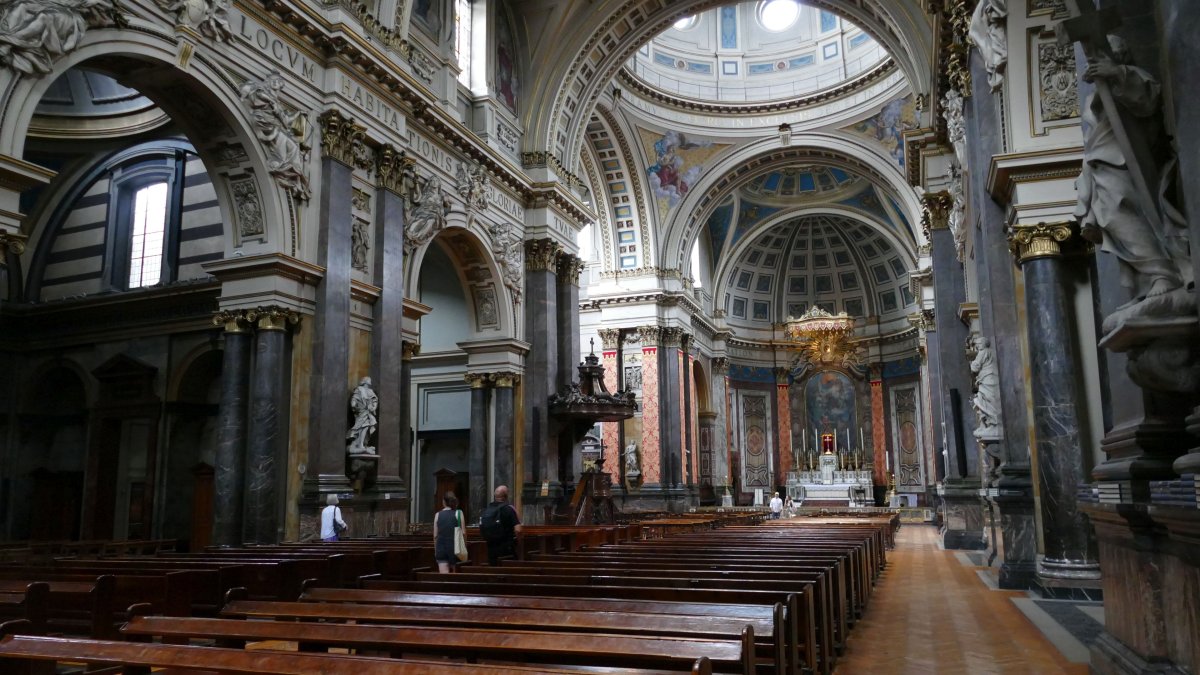
Stepping inside the London Oratory, visitors often notice how the church supports contemplation. The space is designed to guide attention toward the altar and the liturgical action, with an interior character that feels both dignified and welcoming. For many, this balance is part of what makes the Oratory memorable: it is not merely a historic building to be admired from a distance, but a sacred environment that invites participation.
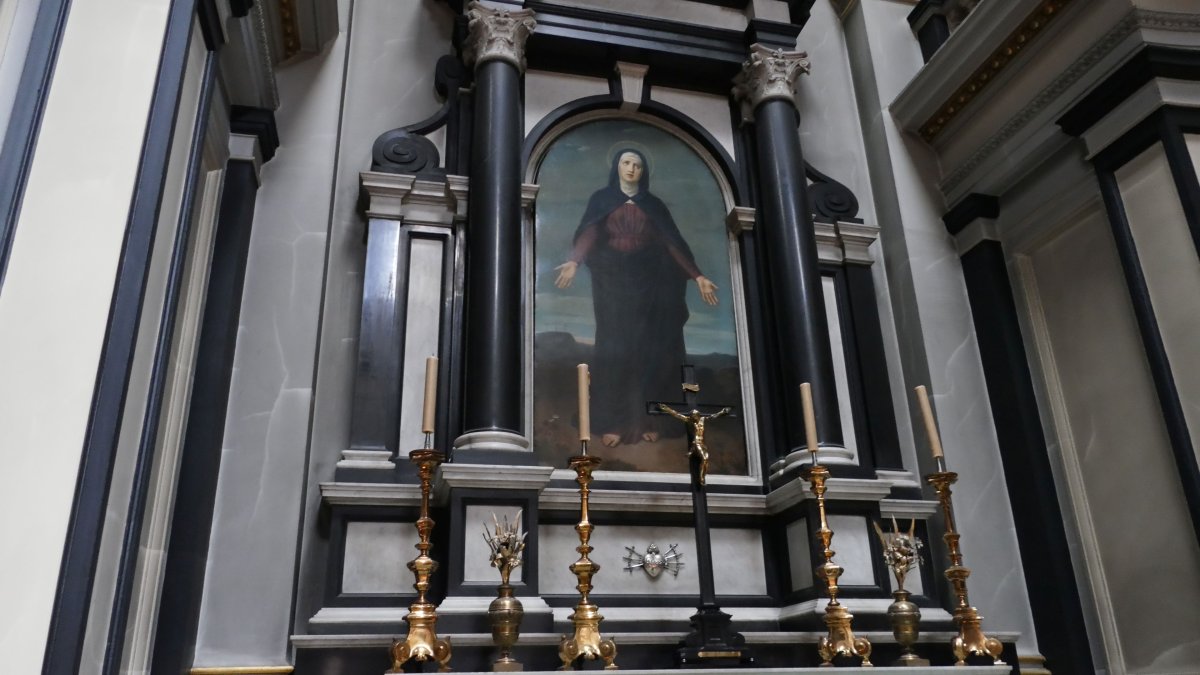
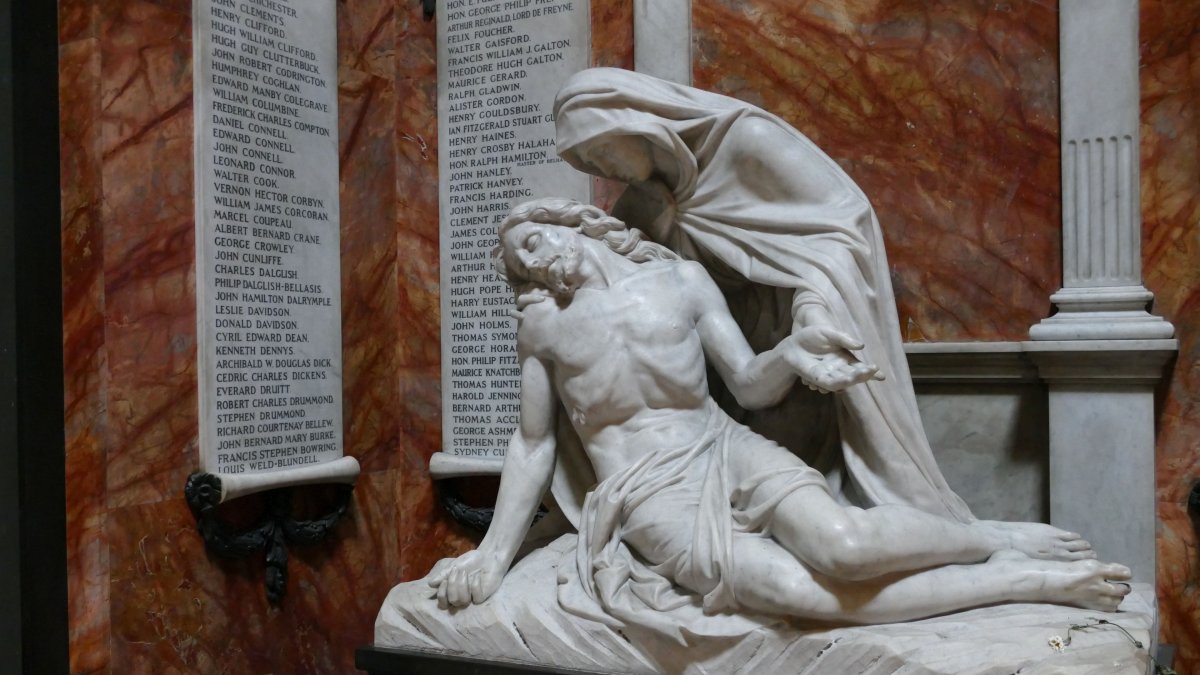
The visual and devotional elements of the church contribute to its identity. Sacred art, liturgical furnishings, and the overall sense of reverence create a setting where prayer feels natural. Even those who are not regular attendees can sense the care that has gone into maintaining the church as a place of real use—used for worship, used for reflection, and used for community life.
Worship life and the rhythm of the Mass
The London Oratory’s worship schedule is at the center of its public identity. Mass is offered with a sense of continuity and devotion, supported by a liturgical culture that highlights both reverence and clarity. Many visitors come expecting a traditional Catholic experience, and they find that the Oratory’s services are marked by attention to detail—readings, prayers, and the pacing of worship all contribute to a prayerful atmosphere.
Beyond Mass, the Oratory’s life includes the broader practices that sustain Catholic worship. Opportunities for confession, times of prayer, and devotional moments often form part of the community’s regular rhythm. For those who wish to deepen their understanding of Catholic spirituality, the Oratory’s environment provides a practical starting point: it demonstrates how worship, doctrine, and pastoral care work together in daily life.
Sacred music and a distinctive listening culture
One of the London Oratory’s most celebrated features is its connection to sacred music. Music has long been a powerful expression of worship within the Catholic tradition, and the Oratory’s approach reflects that heritage. Choir performances and musical settings can transform the experience of the Mass, helping worshipers engage more fully with the texts and prayers.
Many visitors describe the Oratory as a place where music feels integrated rather than incidental—where it supports liturgy and helps create a sense of unity among those present. If you are planning a visit, checking the schedule for services and musical events can be worthwhile, especially if you are interested in the way music shapes the atmosphere of worship.
Community, pastoral care, and visiting respectfully
The London Oratory’s mission is not limited to those who already consider themselves regular churchgoers. The community’s pastoral care welcomes people at different stages of faith. Visitors may come seeking guidance, peace, or simply an opportunity to attend a service in a church with a strong spiritual reputation. The Oratory’s culture of welcome helps visitors feel comfortable—particularly those who are attending for the first time.
When visiting, it is helpful to arrive with respect for the church’s worship life. Dress modestly, maintain a quiet demeanor, and allow space for people who are participating in prayer. If you are attending Mass, familiarizing yourself with the general flow of the service can make the experience smoother. For those interested in confession or spiritual conversation, it is best to consult the Oratory’s visiting guidance or service schedule to understand appropriate times.
How to plan your visit
Planning ahead can enhance your experience. The Oratory’s services and events can vary by day, and special occasions may include additional music or devotional elements. Before traveling, confirm the Mass times and any relevant announcements through the Oratory’s official channels. If you are visiting as a tourist, consider attending a service rather than only viewing the building, as the church’s character is most fully expressed during worship.
Because the Oratory is located in central London, it is also convenient to combine a church visit with nearby attractions. Many visitors appreciate the contrast between the city’s pace and the Oratory’s prayerful atmosphere. Allowing time before and after Mass can help you settle in and enjoy the experience without rushing.
Why the London Oratory matters today
In a city where religious communities vary widely, the London Oratory stands out for its living tradition. It is a place where history is not kept behind glass; it is practiced daily through prayer, community life, and a commitment to worship that continues to shape the spiritual experience of many people. For locals, it offers a stable home for Catholic devotion. For visitors, it provides a meaningful window into a distinctive part of London’s religious heritage.
The London Oratory’s enduring appeal lies in its balance: solemn liturgy and a warm, welcoming spirit; historic sacred space and active parish life; tradition and musical richness that supports prayer. For anyone seeking a church visit that feels both significant and personal, the London Oratory offers an experience that resonates long after you leave.
Brompton Road
London SW7 2RP