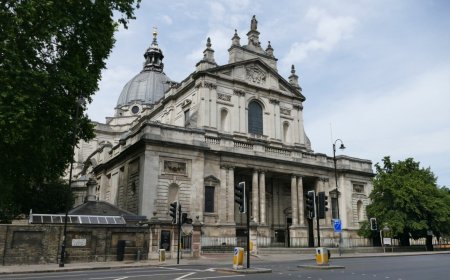
Westminster Cathedral: London’s Grand Catholic Masterpiece
Discover Westminster Cathedral’s history, architecture, worship, and visitor highlights—an inspiring London landmark of faith and art.
The Metropolitan Cathedral of the Most Precious Blood, informally known as Westminster Cathedral, is the largest Catholic church in England and Wales.
In the heart of London, where centuries of history layer themselves into every street and skyline view, Westminster Cathedral stands as a luminous declaration of faith, beauty, and perseverance. This magnificent Roman Catholic cathedral draws visitors not only for its striking presence, but also for the sense of welcome it offers—an atmosphere where sacred art, music, and prayer meet the curiosity of travelers from every corner of the world.
For many, the first impression is unmistakable: the cathedral’s grand scale, its distinctive architecture, and the gentle drama of light shaping the interior. Yet Westminster Cathedral is more than a visual landmark. It is a living place of worship, a sanctuary for community, and a testament to the enduring story of Catholic life in England. Whether you arrive for Mass, a concert, or a quiet moment of reflection, the cathedral invites you to slow down and look closer.
At its center is the dedication to Our Lady of Westminster, a devotion that resonates throughout the cathedral’s spaces. The building’s design and ornamentation guide the eye upward and inward, creating a journey of contemplation. In a city famous for motion, Westminster Cathedral offers a different rhythm—one shaped by liturgy, reverence, and the steady artistry of centuries.
A cathedral reborn: history behind the stone
The story of Westminster Cathedral begins with a determination to build a spiritual home worthy of the Catholic community in London. After periods of change and challenge, the dream of a great cathedral—one that could serve both worship and public witness—took shape with vision and perseverance. The result is a cathedral that feels both timeless and unmistakably of its era.
Construction began in the late 19th century and continued into the early 20th century, and the cathedral’s completion marked a new chapter for Catholic architecture in the capital. As you explore, it becomes clear that the building is not merely an object of admiration; it is an achievement of collective effort. Every element—structural, decorative, and symbolic—was chosen to express the dignity of worship and the richness of Catholic tradition.
Architecture that inspires: a bold, beautiful design
Westminster Cathedral is celebrated for its distinctive Romanesque and Byzantine influences, producing a character that is both grand and intimate. From the outside, the cathedral’s presence feels confident and monumental, framed by the surrounding city. Inside, the atmosphere transforms—your senses adjust to the warmth of interior light and the visual rhythm of arches, columns, and mosaics.
Mosaics are among the most captivating features. They bring a sense of luminous permanence, turning sacred scenes into vibrant expressions of teaching and devotion. The craftsmanship is detailed and patient, and the effect is deeply immersive: images do not simply decorate the space; they guide prayer and reflection. As your gaze moves from one panel to another, you begin to understand how art becomes a language of faith.
The cathedral’s interior also emphasizes verticality and openness. Sightlines draw you toward the altar area, while the overall layout supports both communal worship and personal stillness. Even if you are not familiar with Catholic liturgy, you can feel the intention behind the design: it is meant to elevate attention, encourage reverence, and create a space where the sacred can be encountered.
Worship and community: a living cathedral
Westminster Cathedral remains a vibrant center of Catholic worship. Visitors often remark on the welcoming atmosphere—how the cathedral feels both solemn and accessible. During Mass and other services, the building becomes more than architecture; it becomes a stage for shared devotion. The sounds of prayer, the movement of clergy and congregants, and the presence of music all contribute to an experience that is both spiritual and profoundly human.
Music, in particular, plays a special role. The cathedral’s choral tradition has long been admired, and performances can transform familiar hymns into something newly radiant. Even for those who attend briefly, the effect is lasting: the cathedral’s acoustics and the choir’s artistry create a sense of immersion, as if the building itself is singing.
Beyond services, the cathedral’s life includes community outreach and events that reflect a commitment to faith in action. This sense of purpose helps visitors understand why the cathedral matters—not only to Catholics, but to the wider cultural and moral landscape of London.
What to see: highlights for first-time visitors
While every visit is personal, certain moments tend to stand out. Take time to notice how the design encourages a slow, attentive walk through the space. Look for the interplay of light on mosaics, the careful placement of symbolic details, and the way the sanctuary draws you forward.
- Interior mosaics and sacred artwork: Explore the panels and decorative elements that narrate spiritual themes through color and craftsmanship.
- The altar area: Observe how the space focuses attention on worship, creating a natural focal point for prayer.
- Choir and liturgical setting: If you attend a service or musical event, notice how the cathedral’s layout supports sound and participation.
- Moments of quiet: Find a place to sit or stand and simply take in the atmosphere—often the most meaningful part of a visit.
If you’re planning your visit around Mass or a concert, check schedules in advance. Services and performances can change, and attending at the right time can deepen your experience. Many first-time visitors find that even a short stay becomes memorable when it is aligned with the cathedral’s living rhythm.
Why it matters in London: faith, art, and national memory
London is filled with architectural icons, yet Westminster Cathedral holds a distinctive place. Its beauty is not separated from purpose; it is inseparable from worship and community. In a city where history is often seen through museums and monuments, this cathedral offers something different: history you can enter, history you can hear, and history that still shapes lives today.
As you stand within its walls, you may feel the cathedral’s ability to connect past and present. The building’s story reflects perseverance through changing eras, and its art reflects the long tradition of using beauty to teach, inspire, and console. For visitors, it becomes a reminder that spiritual spaces can be both culturally significant and personally transformative.
Westminster Cathedral also contributes to the broader sense of place in the Westminster area. Nearby landmarks and streets carry their own stories, but the cathedral provides a unique perspective—one rooted in devotion, artistry, and the daily practice of faith. It is a place where tourists become visitors, and visitors become participants in a shared experience of wonder.
Tips for a meaningful visit
To make the most of your time, consider arriving with a spirit of curiosity and respect. Dress modestly and allow yourself time to look slowly. If you can, attend a service or a choral performance; the cathedral’s atmosphere becomes especially vivid when it is actively in use.
- Plan around openings and services: Check the cathedral’s official schedule for Mass times and events.
- Give yourself time: A rushed visit can miss the subtle details and quiet corners that make the space memorable.
- Take in the art: Stand back occasionally to see how mosaics and architectural elements work together.
- Listen as well as look: The cathedral’s soundscape is part of its beauty—especially during choral music.
Ultimately, Westminster Cathedral is an invitation. It invites you to witness how faith can be expressed through architecture, how tradition can be felt through music, and how a city’s greatest treasures can be both public and deeply personal. In a bustling metropolis, it offers a sanctuary of inspiration—one that continues to welcome every new day with the same enduring grace.
The Cathedral is free to enter and is open every day.
Westminster Cathedral