Kew Gardens
Discover the Royal Botanic Gardens, Kew—iconic glasshouses, rare plants and inspiring landscapes.
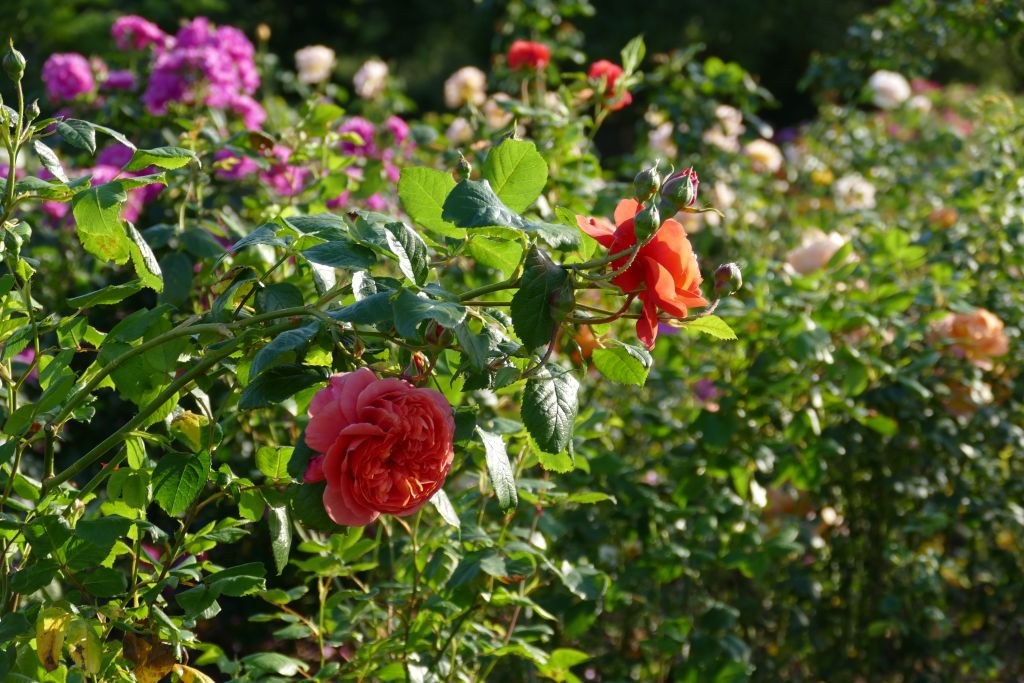

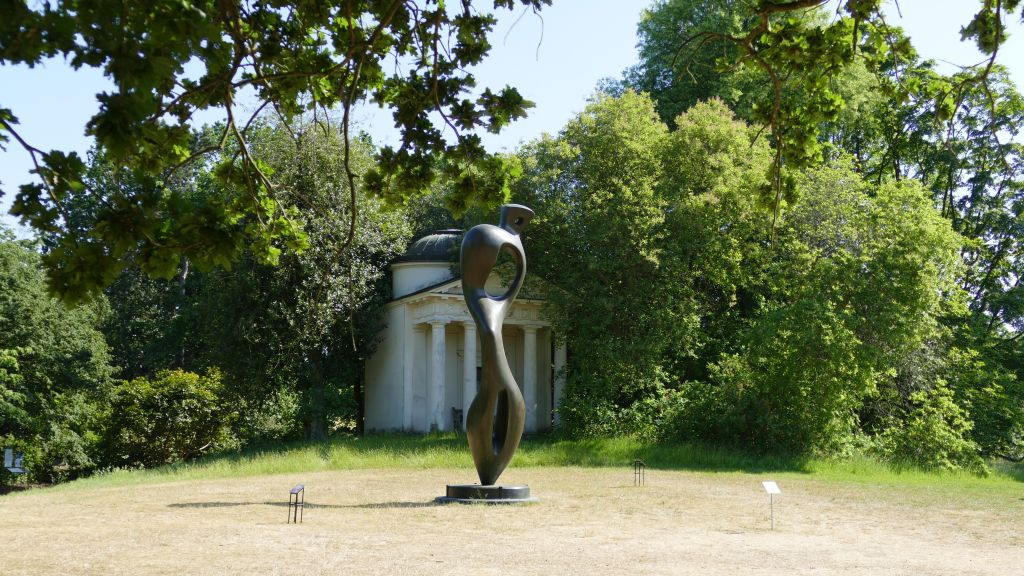

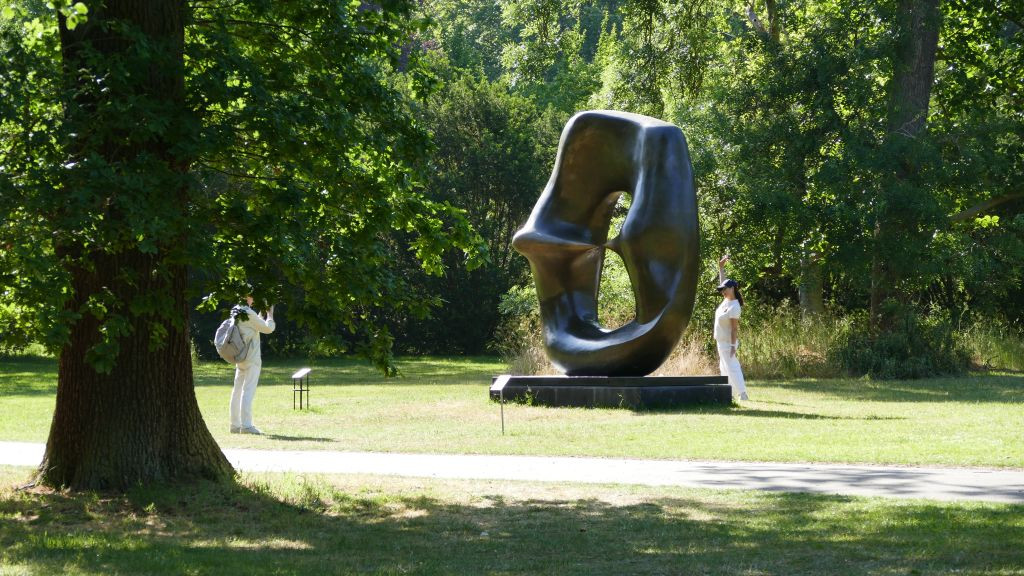
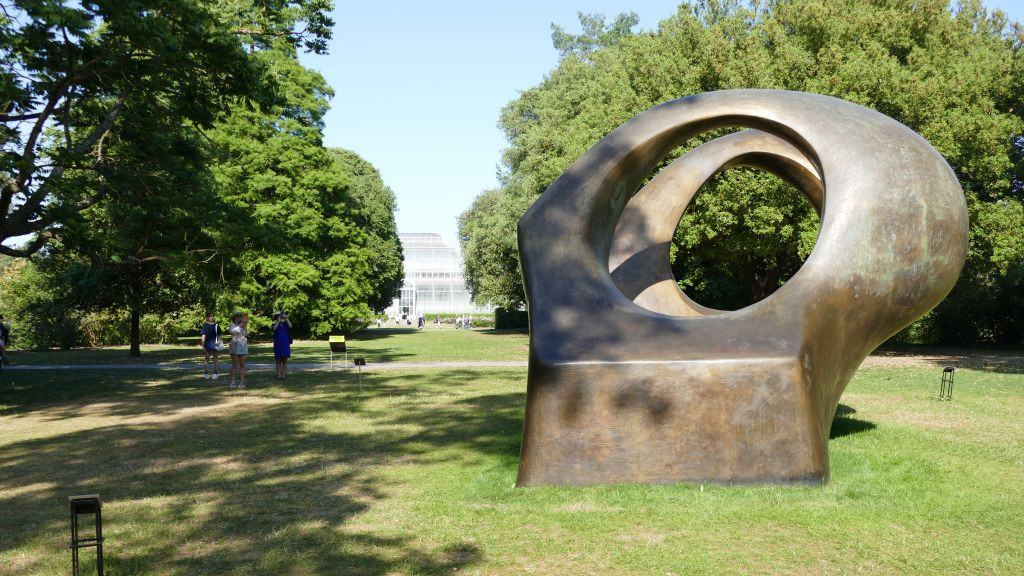
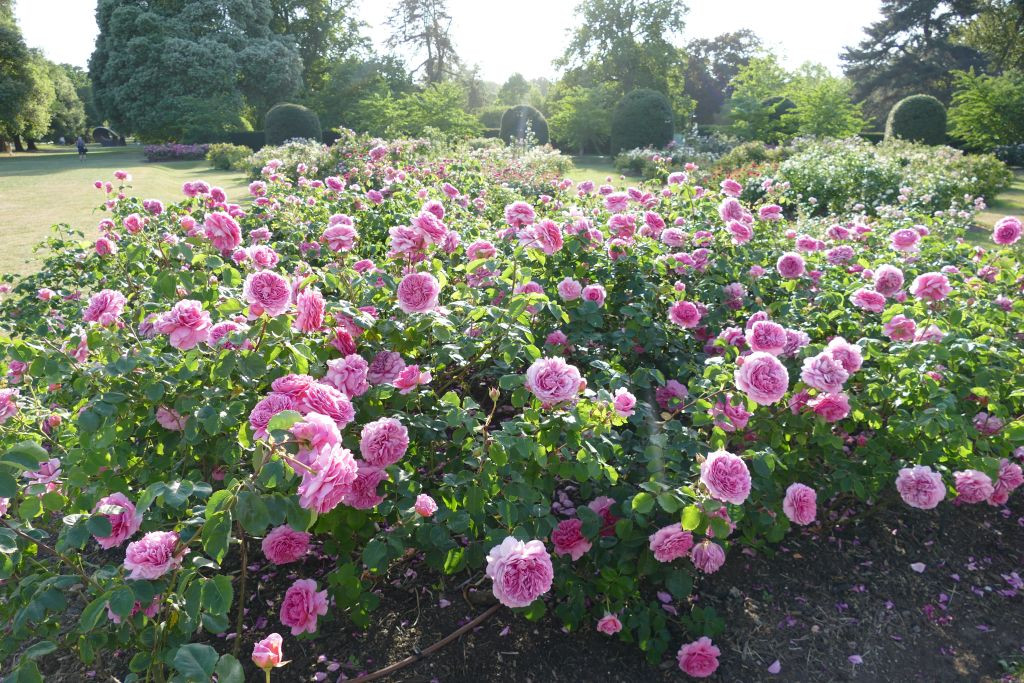
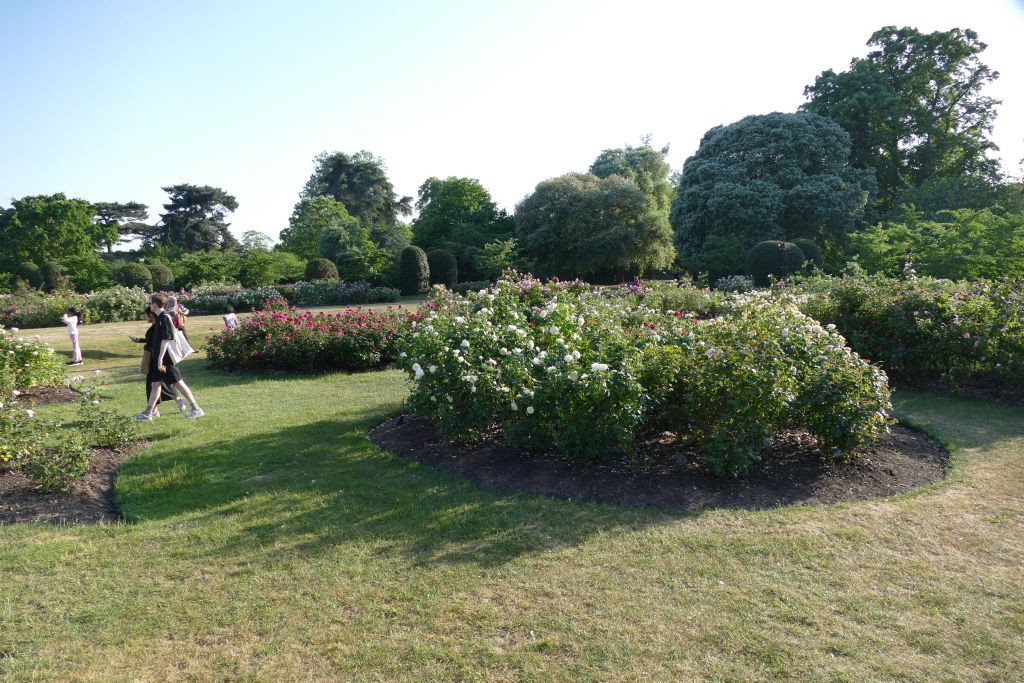
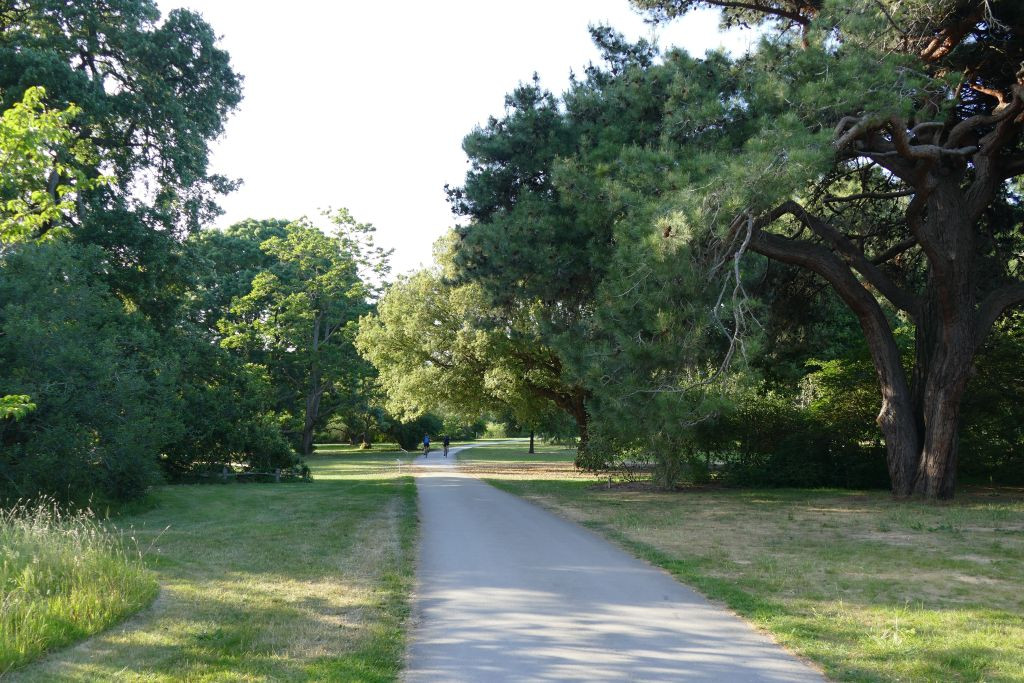


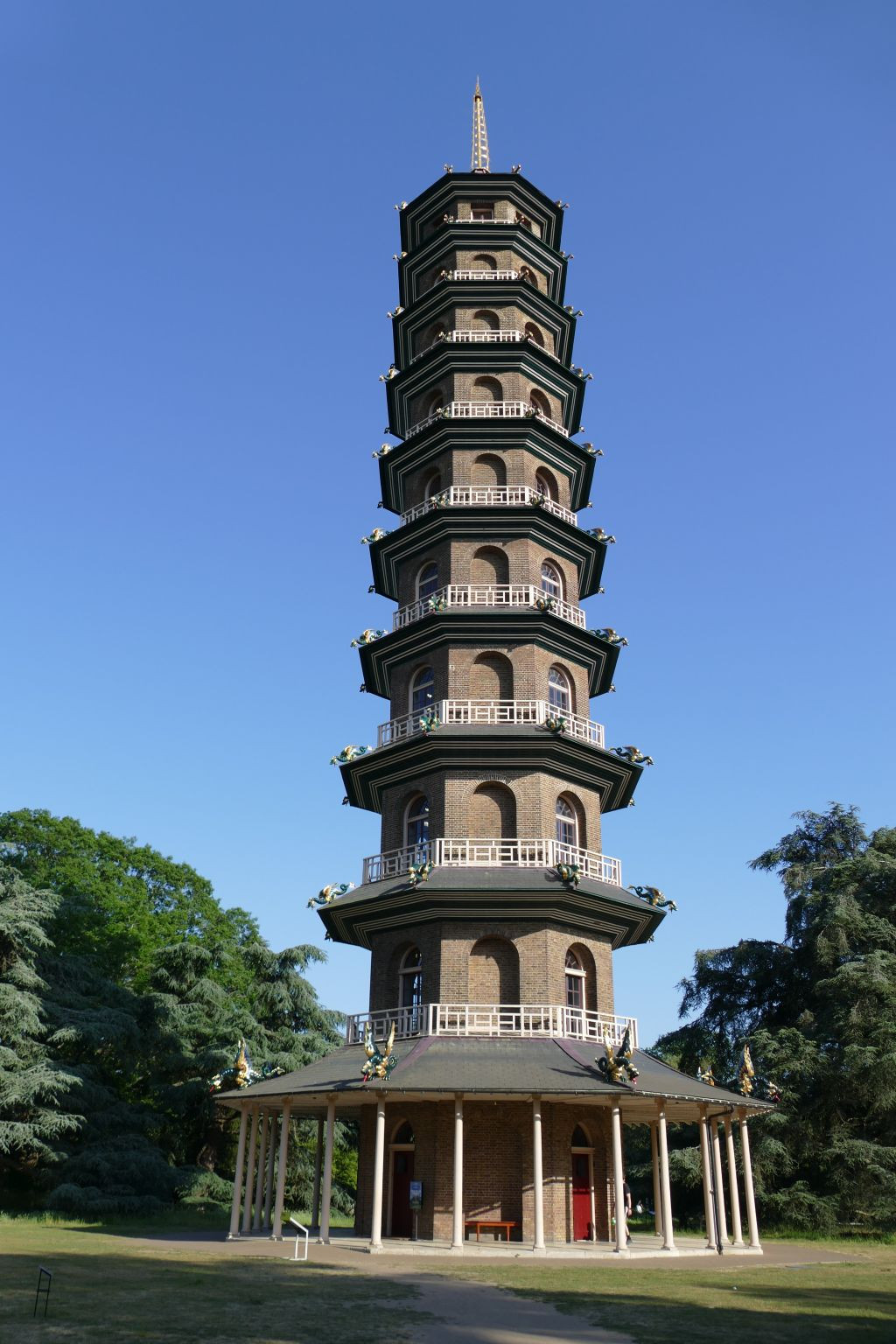
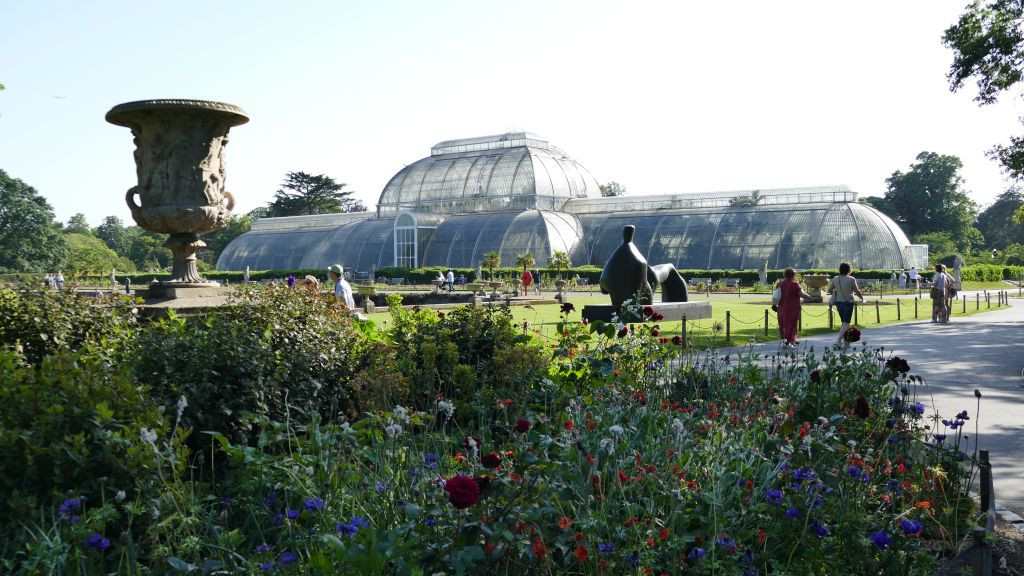

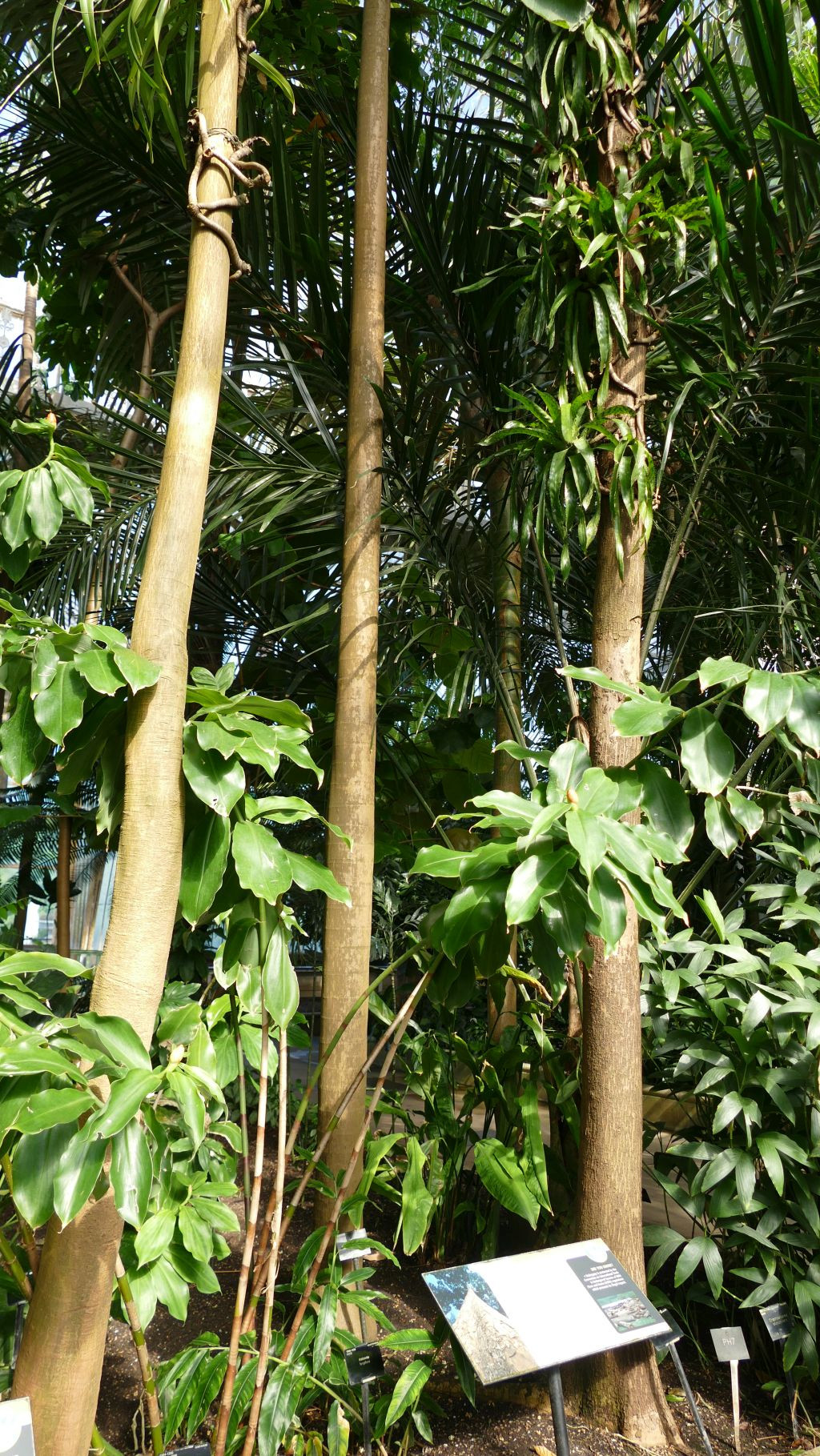
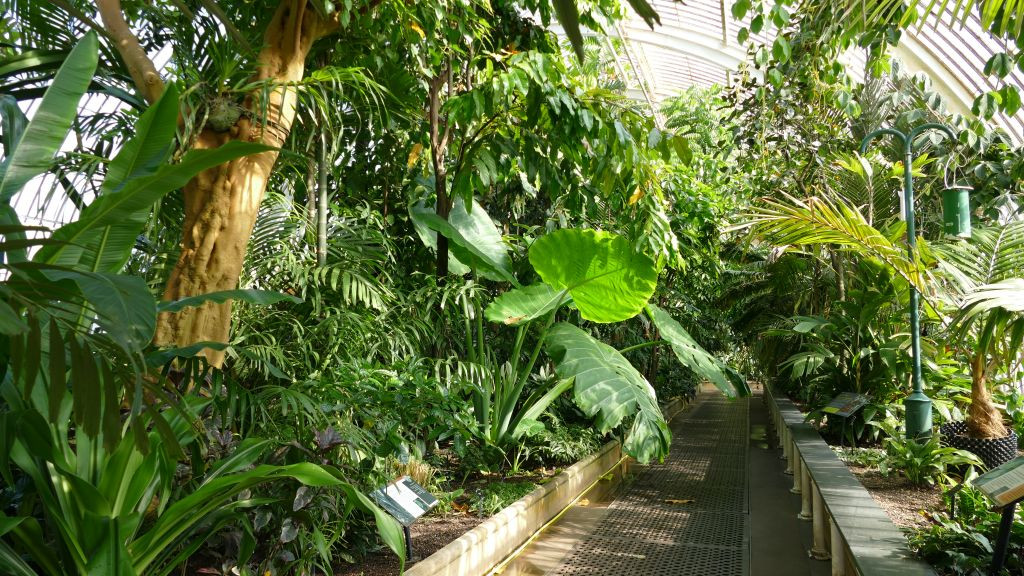
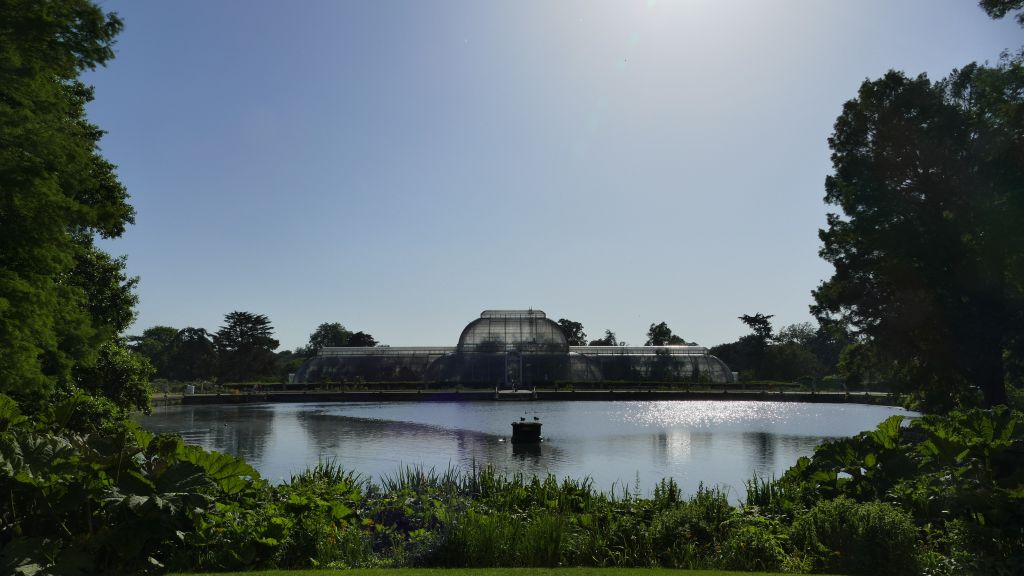
Step into Royal Botanic Gardens, Kew, and you’ll feel it immediately: the quiet awe of a place where science and wonder grow side by side. In London, where the pace of life often feels relentless, Kew offers a different rhythm—one guided by seasonal change, the subtle geometry of pathways, and the breathtaking variety of plants gathered from every corner of the globe. Here, nature is not simply displayed; it is nurtured, studied, protected, and celebrated as a living masterpiece.
As you arrive, the atmosphere shifts from city noise to botanical calm. Trees frame the views like natural architecture, and the scent of leaves and damp earth seems to draw you forward. Kew’s gardens are designed to invite lingering—so that every turn reveals a new scene, whether it’s a canopy of towering branches, a carefully curated border bursting with colour, or a glasshouse glowing with humid warmth. It’s the kind of destination that makes you slow down, look closer, and remember that plants are not background scenery; they are essential storytellers of our planet’s past, present, and future.
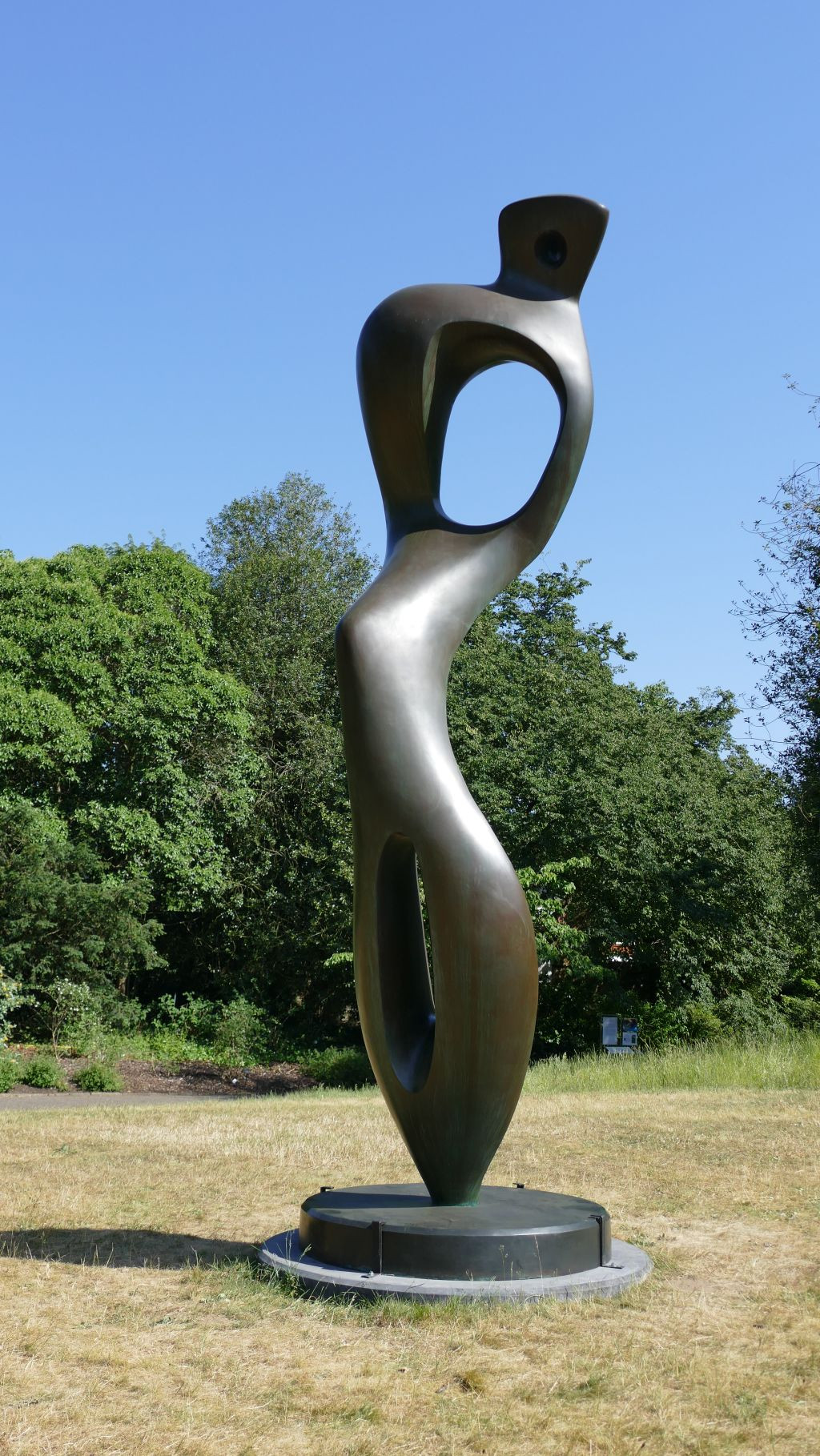
From this spring, Kew is hosting a landmark exhibition of one of Britain’s most renowned artists Henry Moore: Monumental Nature in what is the largest ever presentation of outdoor artworks by Moore.
A UNESCO treasure with a living mission
Kew is more than a beautiful attraction. It is a world-leading botanical institution with a mission rooted in conservation, research, and education. This purpose gives the gardens a deeper meaning: each collection is shaped by expertise, each habitat is maintained with care, and each visit becomes a window into how plant science supports biodiversity across the world. The grounds reflect a long legacy of exploration and discovery, yet the experience remains unmistakably alive—dynamic, evolving, and responsive to the needs of the natural world.
Wandering through Kew, you’re surrounded by evidence of how far botanical knowledge has come, and how much still needs protecting. Rare species, living reference collections, and habitats designed to mirror different environments all work together to show the complexity of ecosystems. Even if you’re visiting for the first time, you’ll sense that Kew’s beauty is grounded in purpose—beauty that inspires action.
Iconic glasshouses
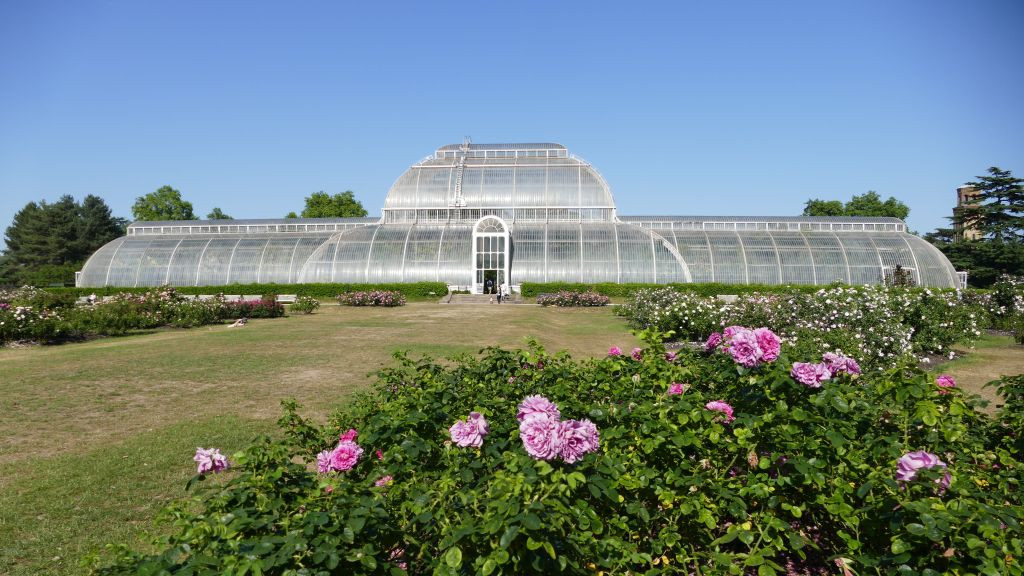
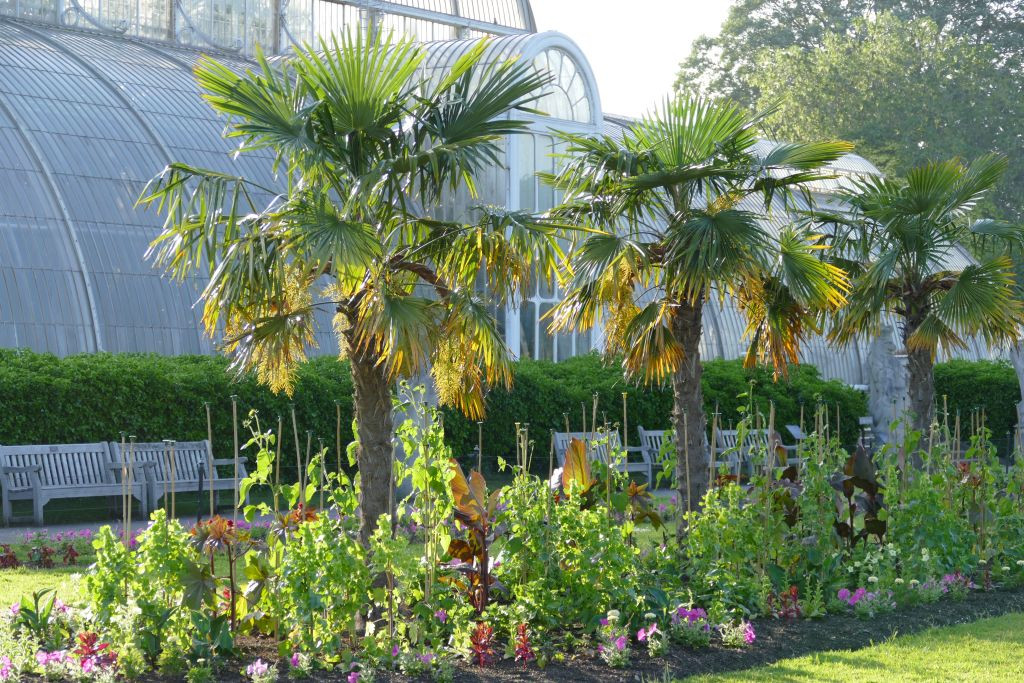
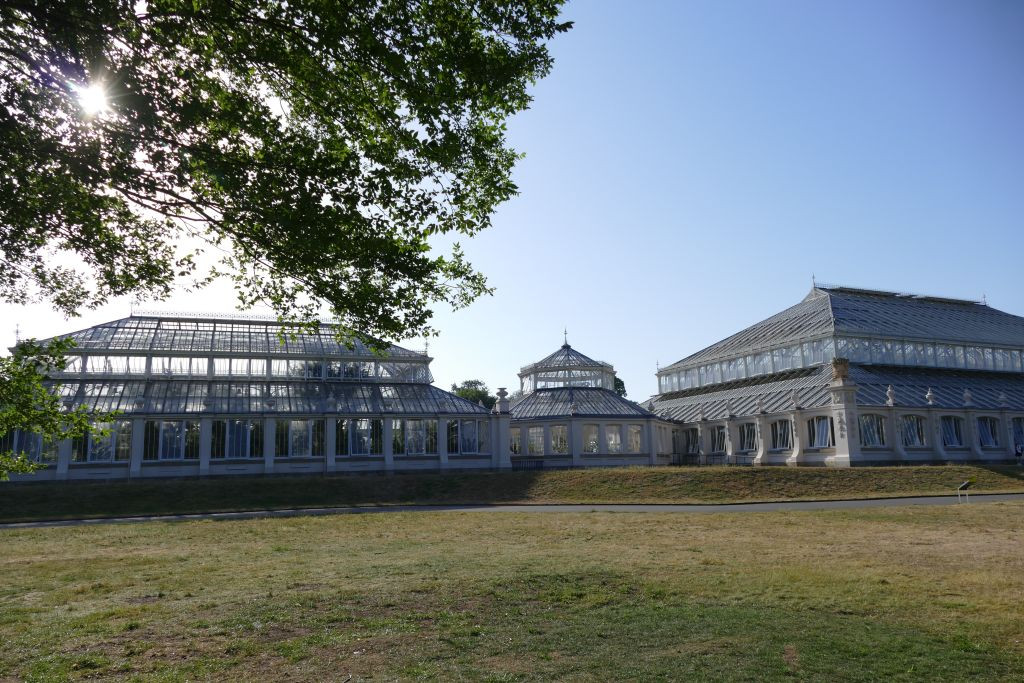
Few experiences capture the spirit of Kew more vividly than its renowned glasshouses. These architectural marvels hold entire worlds under one roof, transforming your walk into a journey across climates. Inside, humidity rises, light softens, and plants that thrive in faraway regions reach toward the sun in carefully maintained conditions.
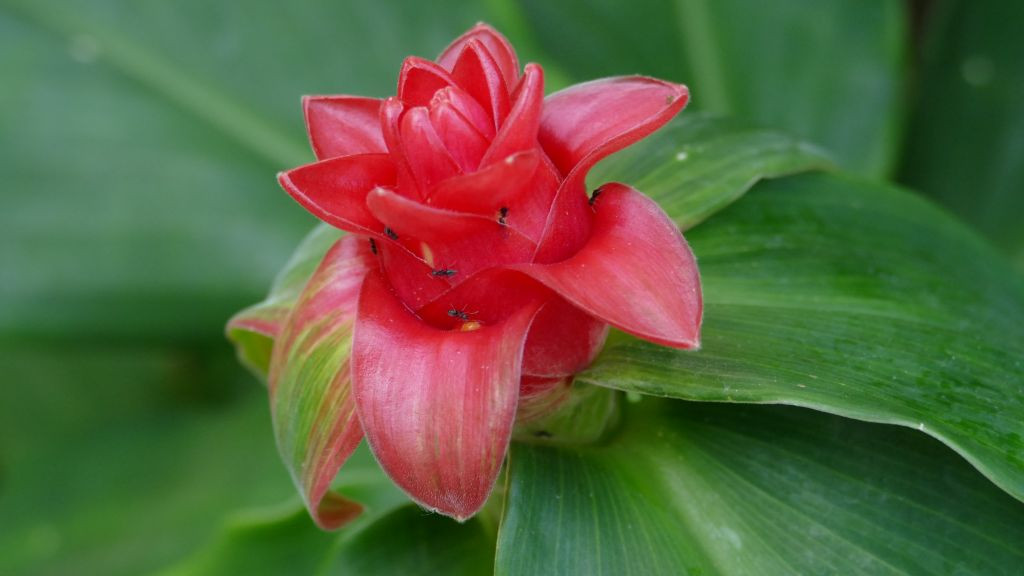
The glasshouses are not only visually spectacular; they also reveal how plants adapt. You’ll notice differences in leaf texture, growth patterns, and the way flowers present themselves—each detail a clue to the environmental story behind it. Some areas feel like a tropical sanctuary, while others echo cooler, temperate landscapes. As you move from one space to another, you gain a new appreciation for how geography, rainfall, and temperature shape the forms of living things.
Among the highlights are the grand Victorian-era structures, celebrated for their elegance and scale. Their panes catch the light like stained glass, turning the interior into a luminous theatre for leaves, blossoms, and towering stems. It’s easy to understand why these spaces draw visitors again and again: the combination of design and botany creates a sense of discovery at every glance.
Trails, landscapes, and the pleasure of discovery
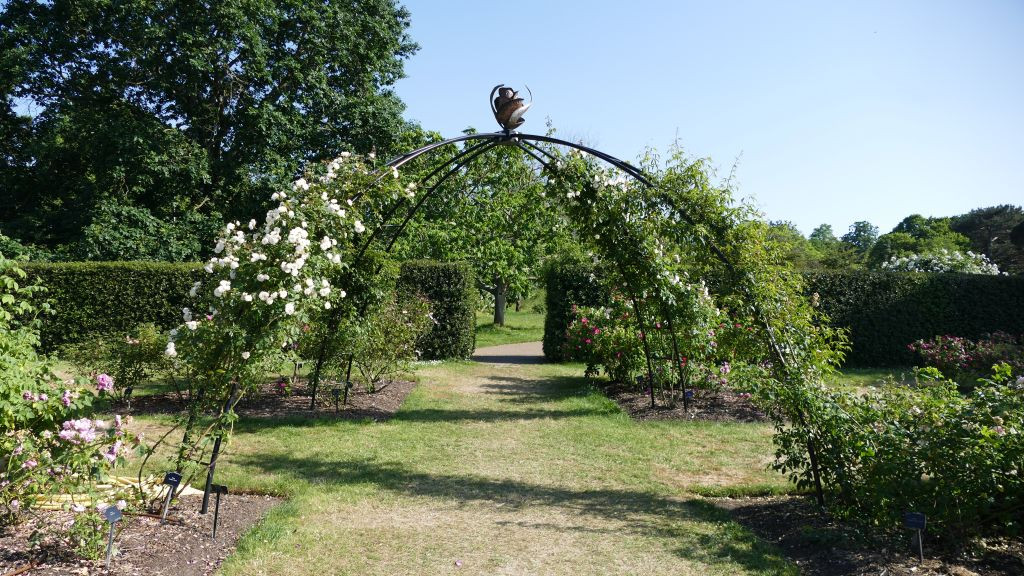
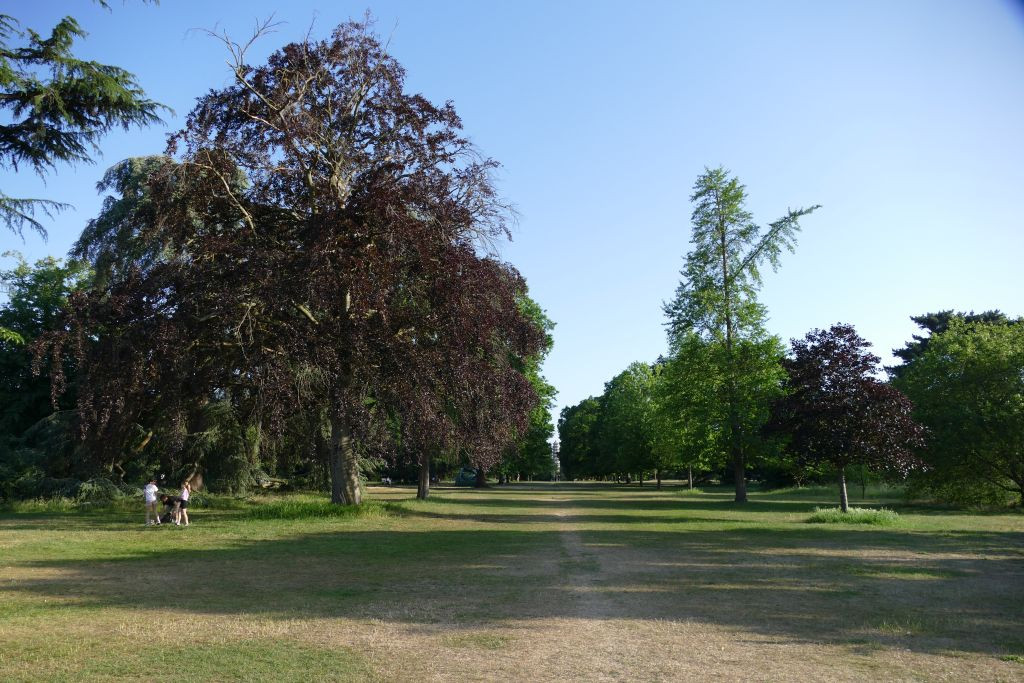
Outside the glasshouses, Kew’s landscapes unfold with a gentle confidence. Pathways guide you through themed areas and seasonal displays, offering both calm strolls and moments of energetic colour. Whether you’re drawn to sweeping views or intimate garden corners, there’s a sense of thoughtful planning behind every perspective.
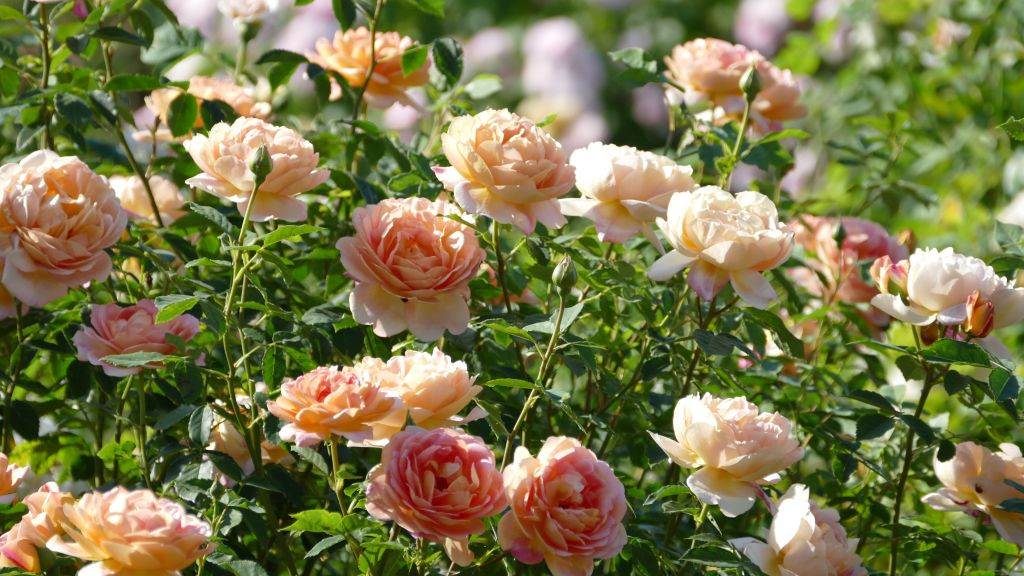
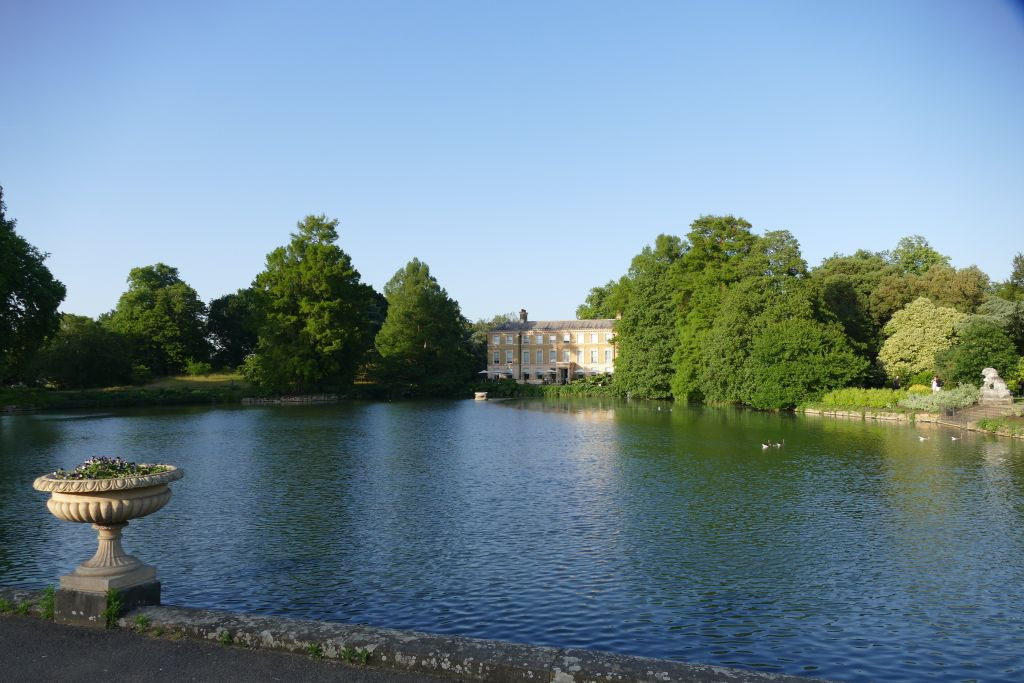
Some sections feel like living galleries, where plant textures and hues are arranged for harmony. Others feel wilder, more naturalistic—encouraging you to slow down and observe details you might otherwise miss. Look closely and you’ll find pollinator-friendly plantings, water features that reflect light, and woodlands that invite a breath of fresh air. Kew’s design encourages curiosity, rewarding you for taking the scenic route rather than rushing to the next landmark.
Seasonal change is one of Kew’s greatest attractions. In spring, fresh growth and early blooms signal renewal. Summer brings lush abundance and vibrant colour. Autumn shifts the palette into gold and bronze, while winter reveals the structure of trees and the quiet geometry of branches. Each visit feels different, yet equally memorable—proof that the gardens are not static, but continuously alive.
Plant collections that inspire respect
What makes Kew truly special is how it connects visitors to the extraordinary diversity of plant life. The gardens house remarkable collections that span continents and habitats, allowing you to encounter species you may only have seen in books or documentaries. Seeing these plants in real life changes the way you think about the natural world. Details become tangible: the veining in a leaf, the architecture of a flower, the scale of a trunk.
For families, Kew becomes an outdoor classroom where children can learn through observation and play. For gardeners and plant enthusiasts, it’s a source of inspiration—proof that patience, knowledge, and the right environment can cultivate beauty. For everyone else, it offers a gentle reminder that nature’s complexity is both accessible and awe-inspiring.
Conservation is woven into the experience. As you explore, you may notice how Kew’s collections reflect a commitment to protecting endangered species and preserving genetic diversity. This is where inspiration turns into understanding: you begin to see how plant research and conservation efforts help safeguard ecosystems for future generations.
More than a stroll: an experience for every visitor
Kew is welcoming in its variety of experiences. You can enjoy a relaxed morning with coffee and quiet paths, spend an afternoon exploring glasshouses at a comfortable pace, or dedicate a full day to deeper discovery. The gardens offer countless photo opportunities, but the most lasting memories often come from small moments—a moment of stillness beneath a canopy, the sudden burst of fragrance from a flower, or the feeling of stepping into a climate you’ve only ever imagined.
Accessibility and thoughtful visitor facilities help ensure that the gardens are enjoyable for a wide range of guests. Whether you’re planning a solo visit, travelling as a couple, bringing friends, or exploring with family, Kew’s atmosphere supports unhurried enjoyment.
Plan your visit for maximum wonder
To experience Kew at its best, consider timing your visit around seasonal highlights. Spring and early summer are ideal for fresh blooms and energetic growth, while autumn offers dramatic foliage and crisp air. If you’re especially interested in the glasshouses, allow extra time—these spaces reward careful looking.
Wear comfortable shoes, bring water, and set aside time to simply wander. The gardens are at their most rewarding when you follow your curiosity: choose one or two signature areas, then let the rest unfold naturally as you explore.
Ultimately, a visit to Royal Botanic Gardens, Kew, is an invitation to reconnect with the living world. It’s a place where London’s energy softens into natural rhythm, where education feels inspiring rather than distant, and where beauty carries meaning. Step through Kew’s gates and you’ll leave with more than photos—you’ll carry a renewed sense of wonder for the plants that sustain us all.