Tate Modern
Visit Tate Modern: iconic art, dramatic spaces, river views, and inspiring ways to experience one of the world’s great art galleries.
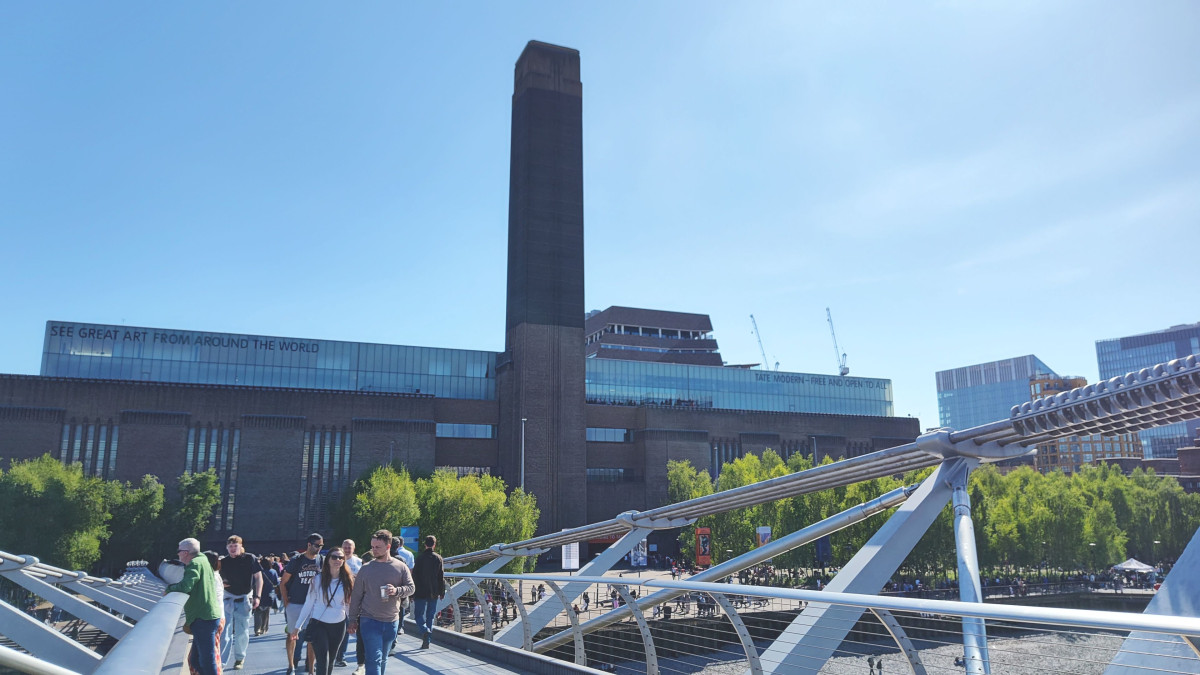
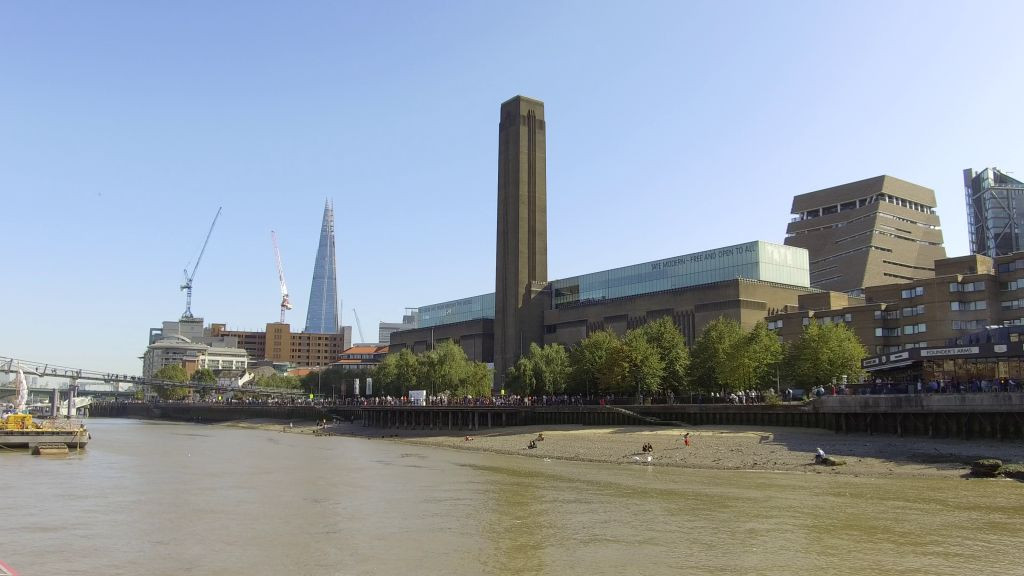
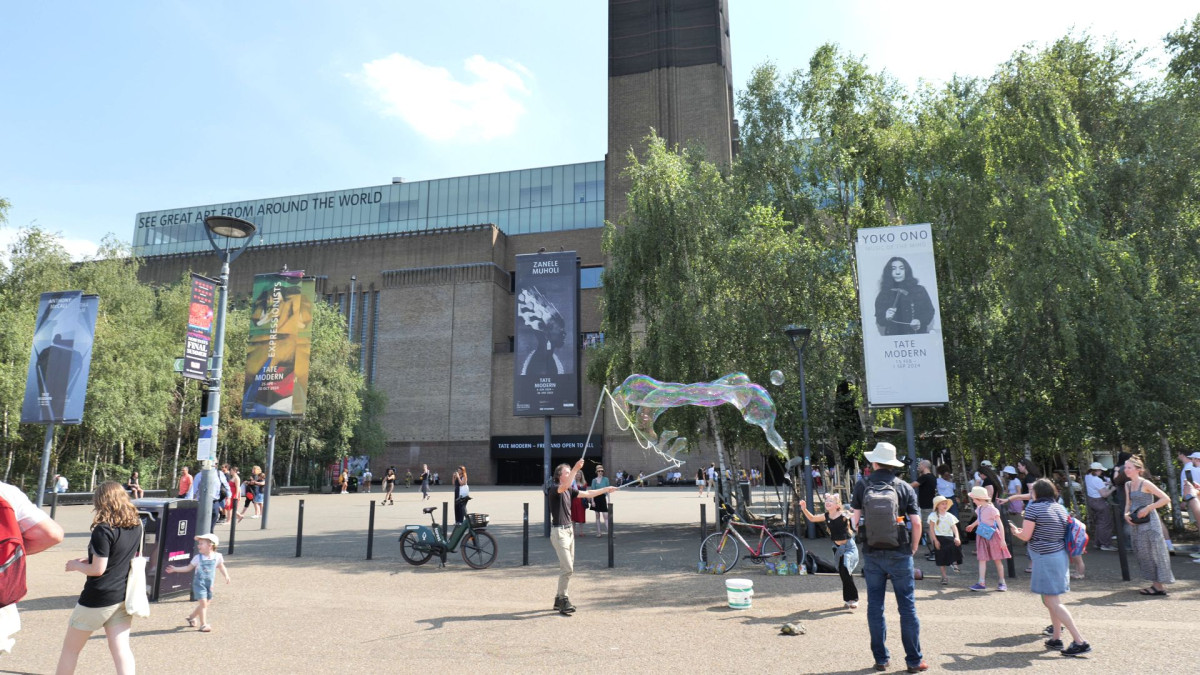
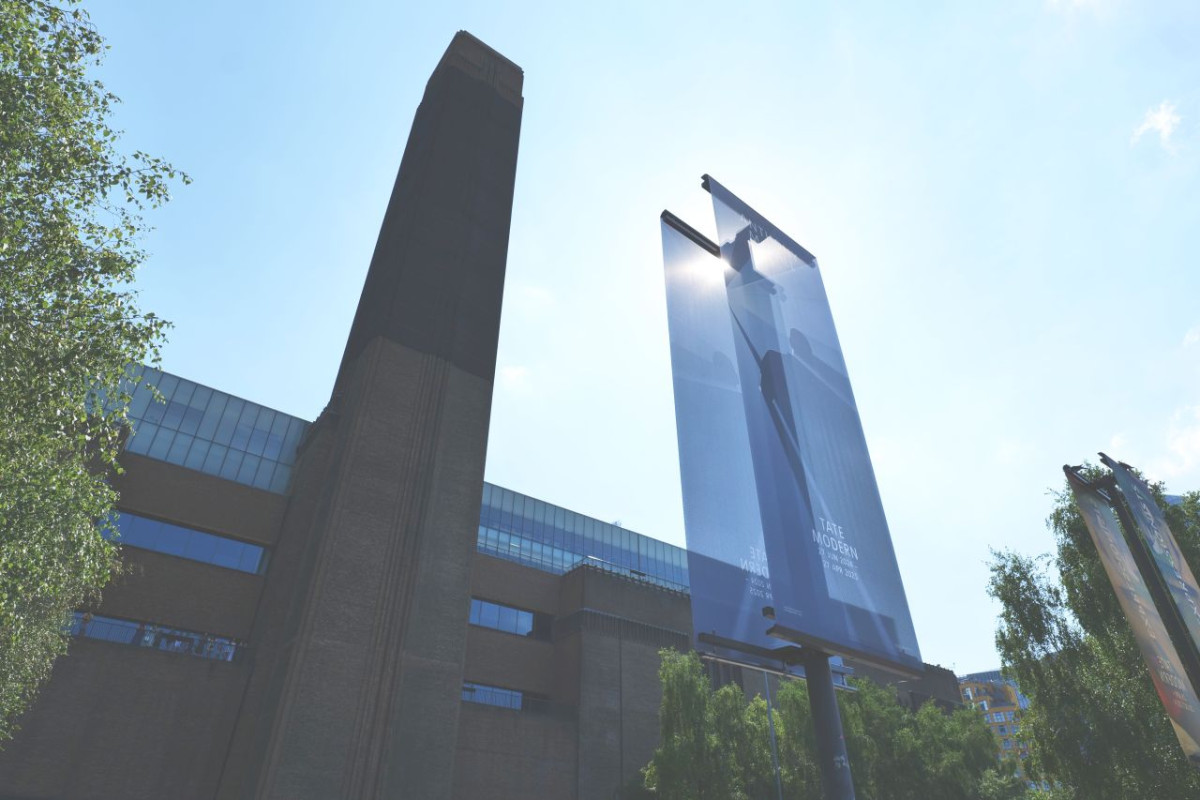
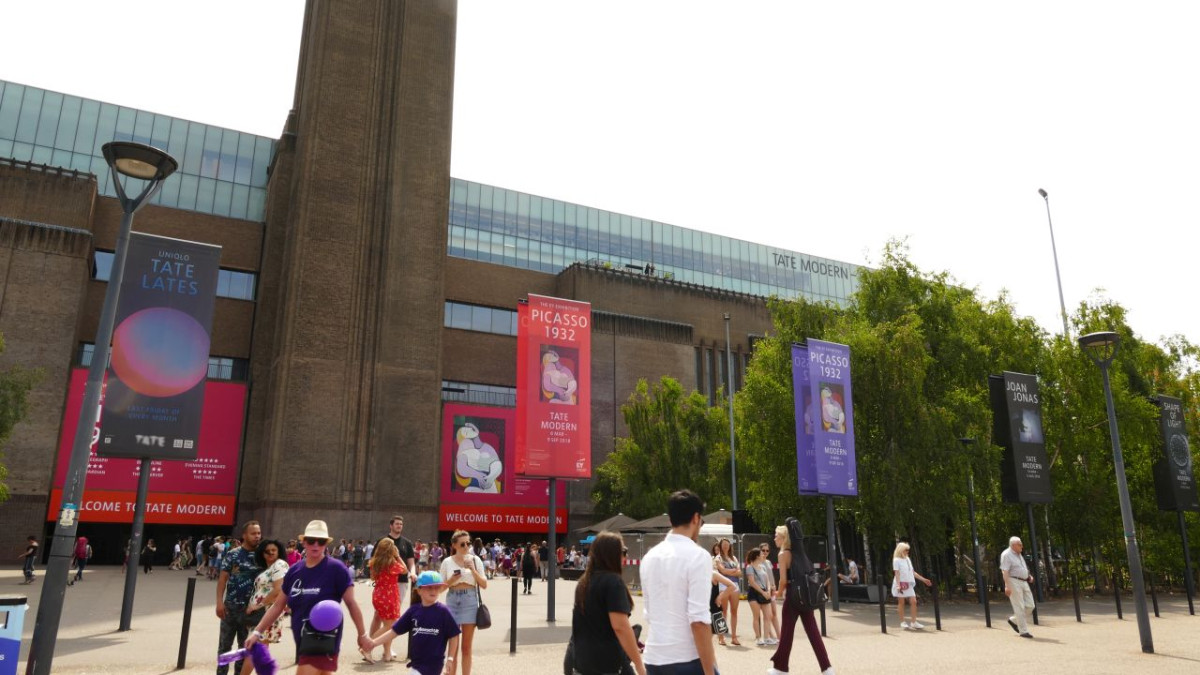
At Bankside along the south bank of the Thames with the confidence of a reinvented landmark, Tate Modern is one of London’s most thrilling cultural experiences. Housed in the former Bankside Power Station, the museum transforms industrial grandeur into a stage for bold ideas, emotional encounters, and unforgettable visual drama. Whether you arrive as a seasoned art lover or a curious first-time visitor, the building itself prepares you for discovery: brick, steel, light, and vast open space combine to create an atmosphere that feels both monumental and welcoming.
What makes Tate Modern so compelling is not simply the scale of its collection, but the way it invites people to think differently. Here, modern and contemporary art are not presented as distant subjects to admire politely from afar. They are living conversations about identity, politics, beauty, technology, memory, and the changing shape of society. A visit can feel exhilarating because the museum asks you to look closely, question assumptions, and allow yourself to be surprised.
An icon on the Thames
Part of Tate’s family of galleries, Tate Modern has become a defining symbol of creative London since opening in 2000. Its location in Bankside places it within one of the city’s most rewarding cultural walks, close to Shakespeare’s Globe, Borough Market, and the Millennium Bridge. That setting matters. Crossing the river toward the museum, with St Paul’s Cathedral visible in the distance, creates a sense of arrival that is uniquely cinematic. The journey becomes part of the experience, linking London’s historic skyline with the restless energy of contemporary culture.
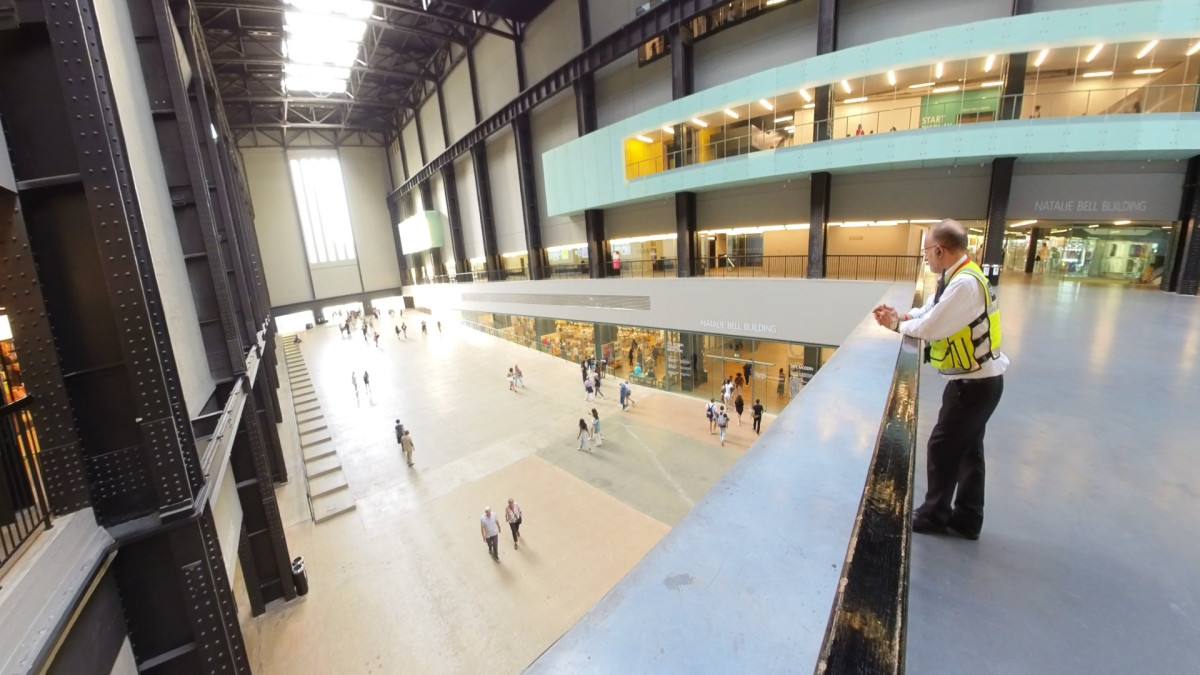
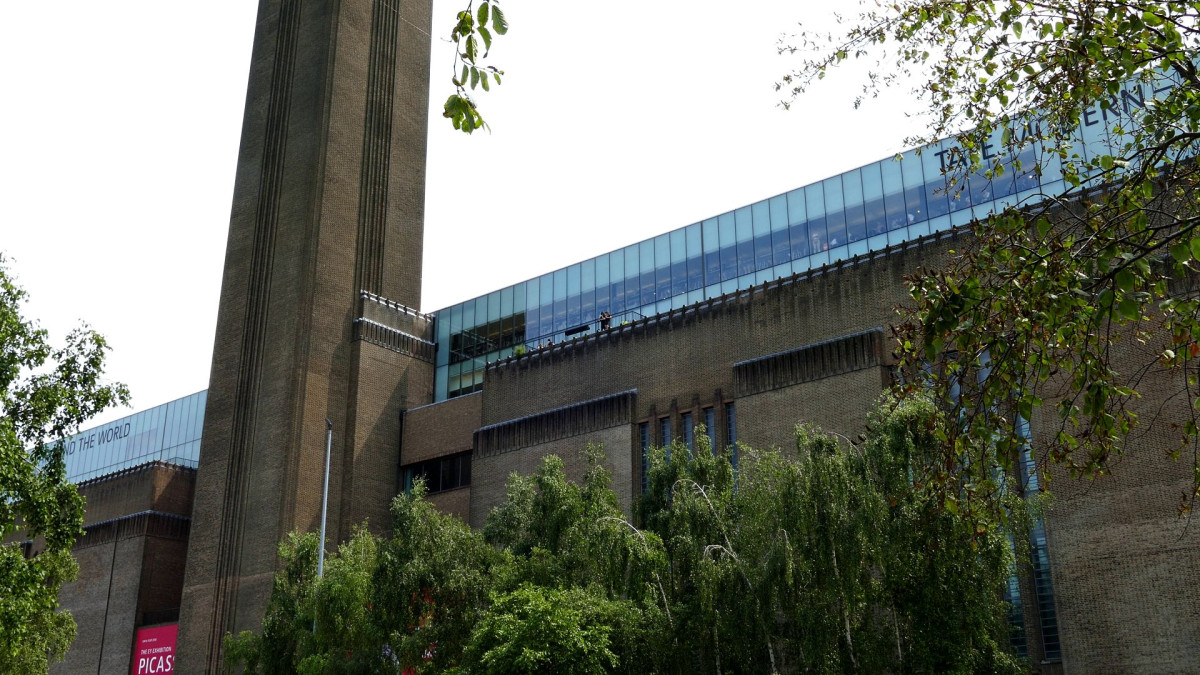
The architecture deepens that impression. The original power station, designed by Sir Giles Gilbert Scott, gives the museum a muscular presence, while the later extension adds a striking contemporary dimension. Inside, the famous Turbine Hall remains one of the most dramatic museum spaces in the world. Vast, echoing, and full of possibility, it has hosted some of the most ambitious installations in modern art. Even before you enter the galleries, Tate Modern communicates a central idea: art can be immersive, public, and larger than expectation.
What you will see
Tate Modern’s collection spans major movements in international modern and contemporary art, bringing together celebrated names and groundbreaking voices from around the world. Visitors may encounter works by Picasso, Warhol, Dalí, Rothko, Matisse, Kusama, Hockney and countless others, yet the museum’s real strength lies in the dialogue between famous masterpieces and works that challenge established narratives. Rather than presenting art as a fixed timeline, Tate Modern often arranges displays around themes, ideas, and social questions, making each visit feel dynamic and relevant.
This curatorial approach helps demystify modern art. You are not required to know every movement or recognize every artist to have a meaningful experience. One room may offer meditative abstraction, another vivid pop imagery, another politically charged installation. The effect is energizing. Visitors move through changing moods and perspectives, discovering how artists use color, form, sound, film, and space to express what words often cannot.
- Turbine Hall installations that redefine scale and public engagement.
- Collection displays featuring modern masters and contemporary innovators.
- Temporary exhibitions that often attract international attention.
- Viewing levels with memorable panoramas across London.
There is something deeply democratic about Tate Modern. Admission to the main collection is free, which means world-class art becomes part of everyday city life rather than an exclusive event. Students, families, tourists, Londoners, and solo travelers all share the same spaces, often bringing very different interpretations to the same work. That openness gives the museum a rare vitality. It is a place where conversation happens naturally, where a child’s honest reaction can be as valuable as an academic reading, and where personal connection matters as much as expertise.
The museum also inspires because it reflects the complexity of the present moment. Contemporary art can be playful, unsettling, poetic, confrontational, or tender, and Tate Modern allows all of these tones to coexist. Some works ask difficult questions about conflict, migration, environment, race, and gender. Others offer pure visual pleasure or moments of stillness. Together, they create an experience that feels emotionally rich rather than narrowly educational. You leave not only with images in your mind, but with new ways of seeing the world around you.
How to make the most of your visit
- Tate Modern rewards both planning and spontaneity. If there is a major temporary exhibition you want to see, booking in advance is wise, especially during weekends and holidays. For the free collection galleries, however, it can be wonderful simply to wander. Allow time for pauses. Sit in front of a painting that draws you in. Revisit a room after seeing something else. Modern art often reveals itself gradually, and the museum’s atmosphere encourages that slower, more reflective pace.
- Arrive early or later in the afternoon for a calmer experience.
- Check the exhibition schedule before your trip.
- Wear comfortable shoes, as the museum is expansive.
- Take time for the riverside walk and nearby cultural landmarks.
- Head to the upper levels for city views and a fresh perspective.
For visitors who feel uncertain about contemporary art, one simple approach works beautifully: notice what you feel before asking what the work means. Curiosity is enough. A sculpture may provoke awe, a film installation may unsettle you, a Rothko canvas may create an unexpected calm. Tate Modern excels at making those reactions feel valid and valuable.
Beyond the galleries
The experience extends beyond the art itself. Tate Modern’s shops are thoughtfully curated, offering design-led gifts, books, prints, and objects that reflect the museum’s creative spirit. Its cafés and restaurant provide a chance to pause and absorb what you have seen, while the building’s public spaces invite lingering rather than rushing. Looking out over the Thames after a gallery visit, London seems to rearrange itself: more textured, more imaginative, more alive.
The gallery’s role in the city is also worth appreciating. Tate Modern helped transform Bankside into a major cultural destination and demonstrated how historic industrial architecture can be reimagined for public life. It stands as a model of urban renewal with artistic purpose, proving that museums can energize entire neighborhoods while remaining accessible to broad audiences.
For anyone exploring London, Tate Modern offers more than a checklist attraction. It is a place to encounter creative risk, global ideas, and the emotional power of art in a setting that is itself unforgettable. Some visitors come for a single famous artist, others for the architecture, the river views, or the buzz of one of the world’s leading museums. Most leave with something more personal: a memory of being moved, challenged, or unexpectedly inspired.
In a city filled with extraordinary institutions, Tate Modern stands apart because it combines seriousness with openness, scale with intimacy, and international prestige with genuine public warmth. It reminds us that art is not only something to observe; it is something to experience fully, question bravely, and carry with us into the streets beyond the gallery walls. That is why Tate Modern remains not just a must-visit gallery in London, but a powerful invitation to see the modern world with wider eyes.
Tate Modern