National Portrait Gallery
Explore the National Portrait Gallery, where powerful portraits bring history, culture, and identity to life through remarkable people.
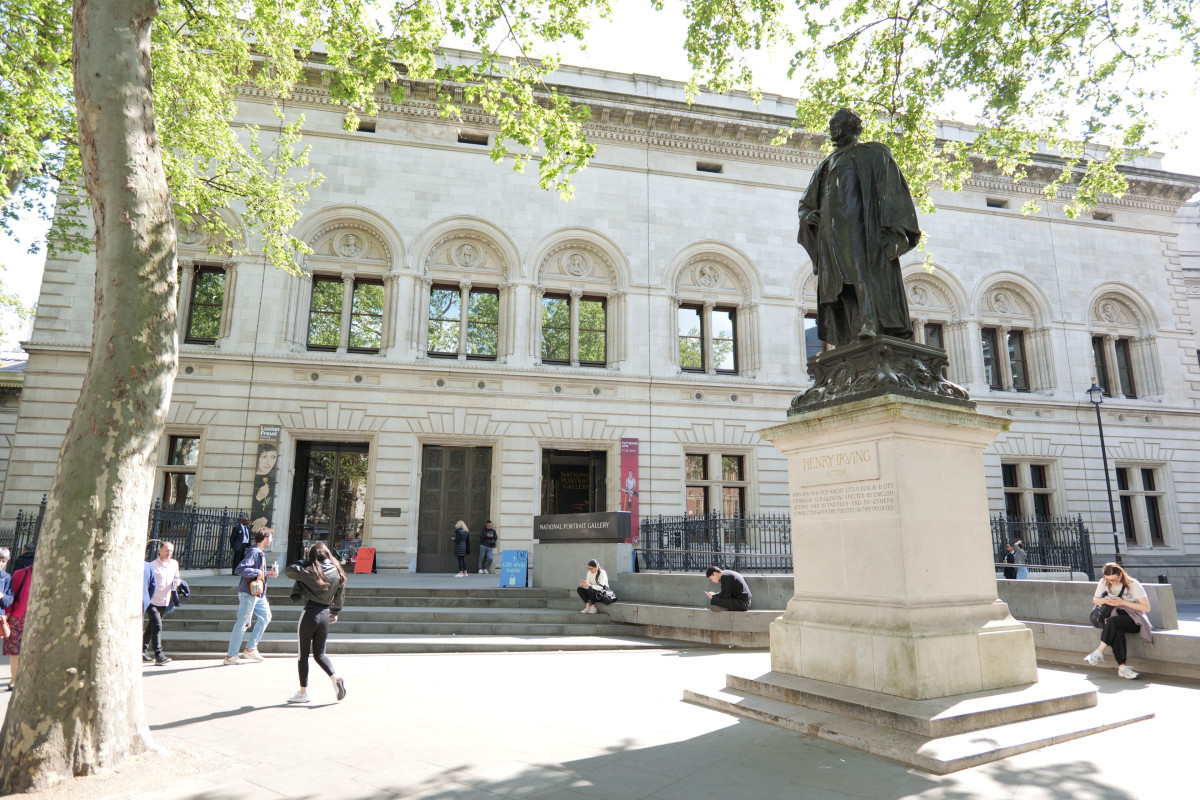
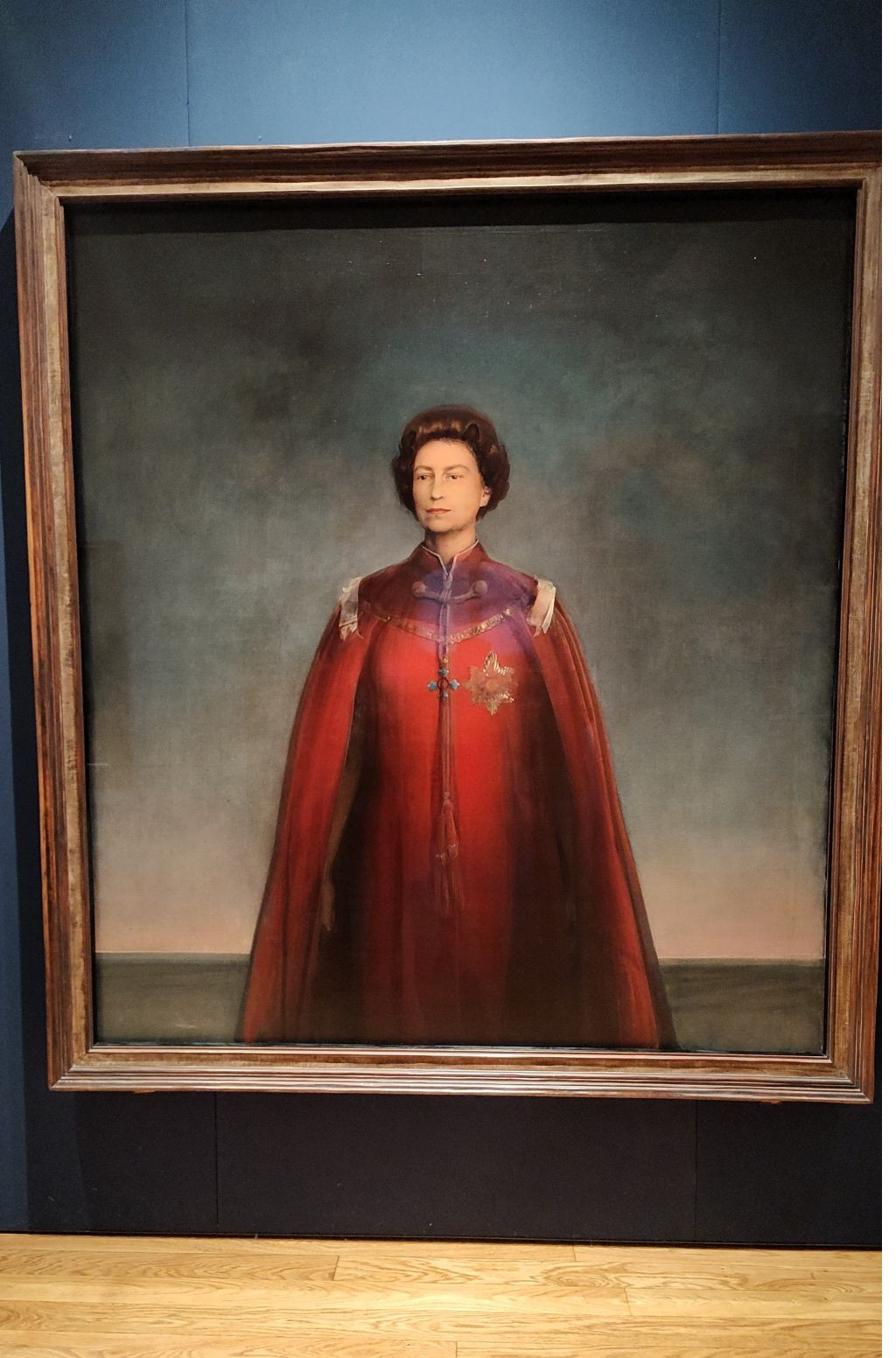
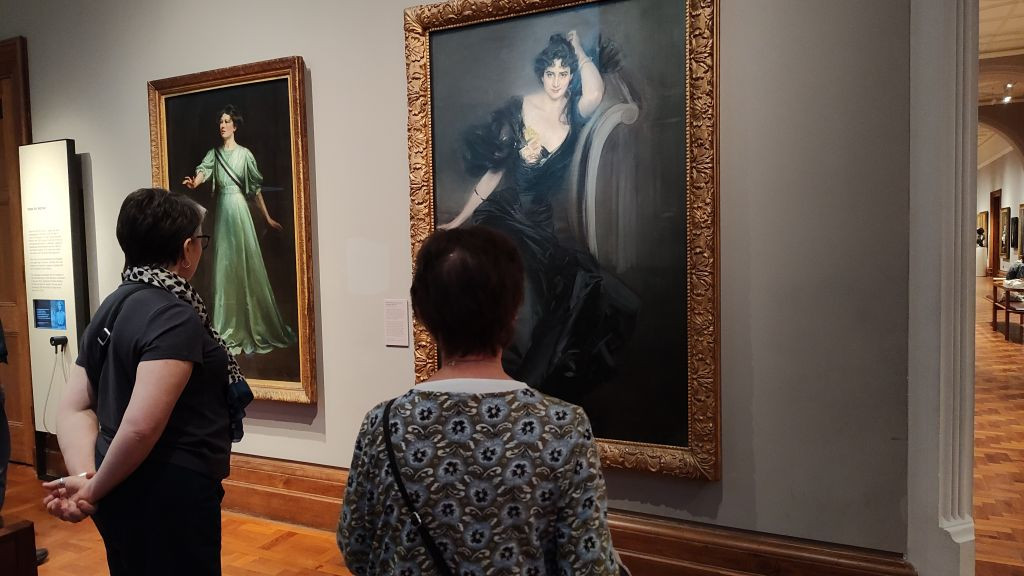
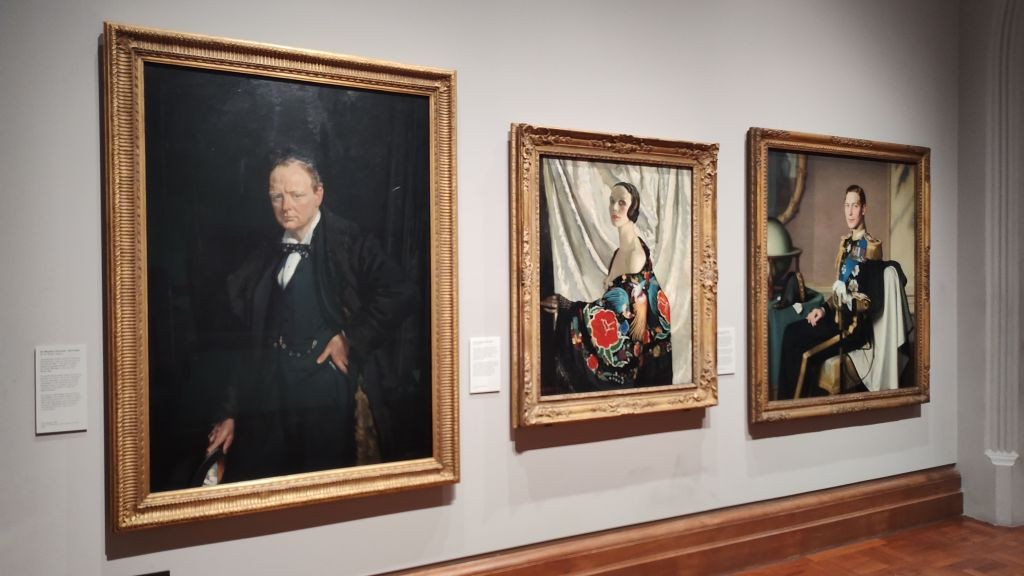
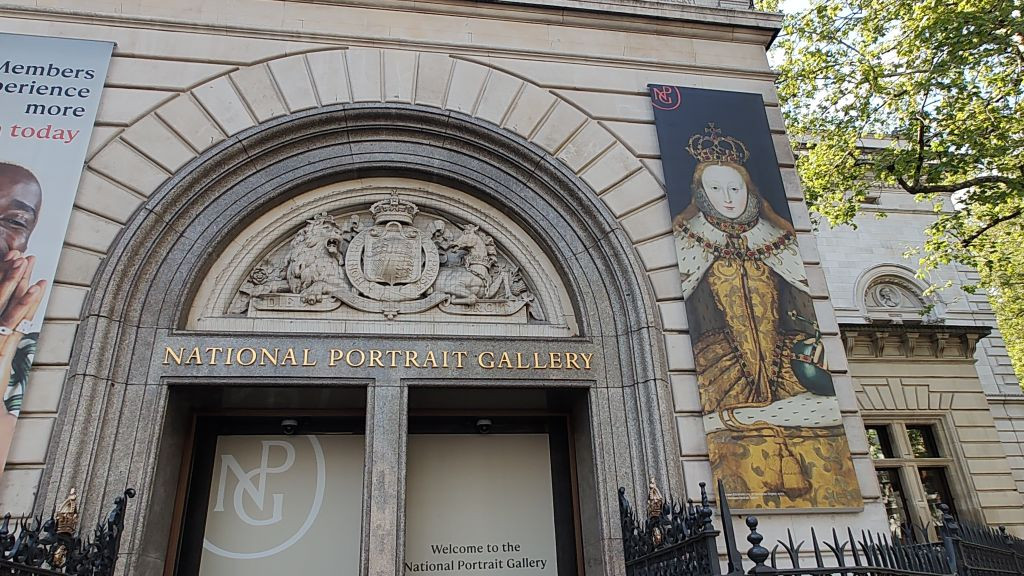
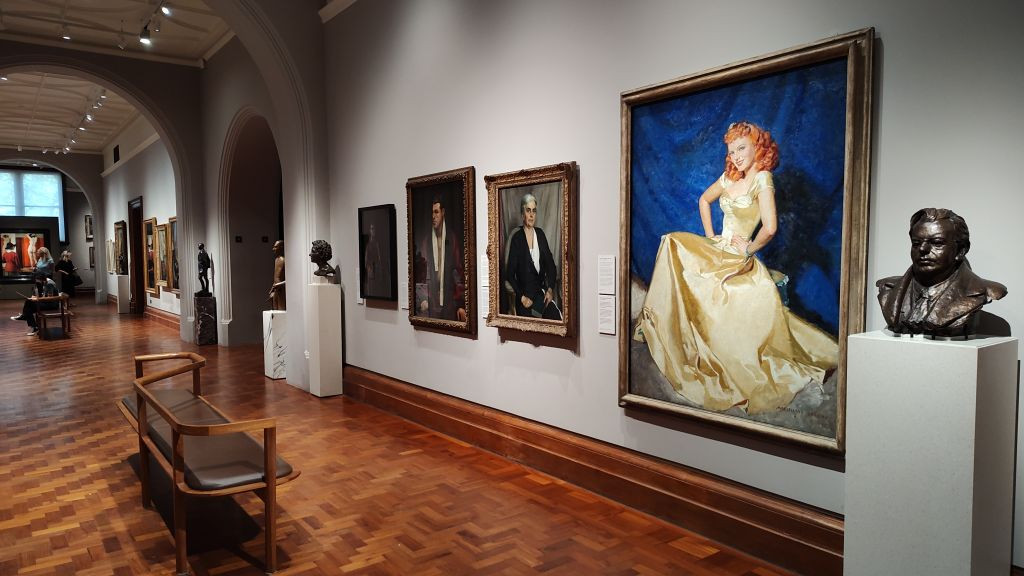
Step inside the National Portrait Gallery and you enter a conversation across centuries. Here, history does not feel distant or abstract. It looks back at you through the eyes of monarchs, reformers, poets, scientists, performers, and pioneers whose lives helped shape Britain and influence the wider world. Rather than telling the national story through battles or dates alone, this remarkable museum reveals it through people. Every portrait offers more than a likeness; it captures ambition, struggle, charisma, vulnerability, and the changing ideals of a society continually redefining itself.
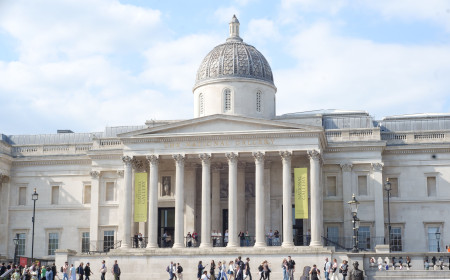
Located in the heart of London, close to Trafalgar Square, the gallery holds one of the most compelling collections of portraits anywhere in the world. Its mission is distinctive and deeply human: to present the men and women who have made, and are making, British history and culture. This focus gives the museum a rare emotional force. Visitors do not simply encounter art objects on walls. They meet individuals whose decisions, creativity, courage, and contradictions still echo in modern life.
What makes the National Portrait Gallery especially inspiring is the way it broadens the meaning of importance. Alongside kings and queens are campaigners, actors, writers, musicians, entrepreneurs, and thinkers. The collection reminds us that a nation is not shaped by power alone, but also by imagination, dissent, discovery, and public voice. In one room, you may stand before a Tudor statesman painted with calculated grandeur; in another, a modern photograph may radiate intimacy and defiance. Together, these works create a vivid portrait of Britain itself.
A living history told through faces
The gallery’s greatest achievement lies in its ability to make history personal. A portrait has a special power because it invites direct attention to the individual. Clothing, posture, expression, and artistic style all become clues to a wider story. The visitor begins to notice how authority was once displayed through elaborate costume, how intellect could be suggested through books and gesture, or how contemporary portraiture often strips away ceremony to reveal authenticity. These visual choices help explain not only who a sitter was, but how each era wanted significance to be seen.
Walking through the collection is like moving through a changing national imagination. The Tudor and Elizabethan portraits often project symbolism and control, presenting leaders as embodiments of order and destiny. Later works reveal increasing psychological depth, while modern portraits embrace experimentation, photography, and diverse media. This progression mirrors broader cultural shifts: from hierarchy to individuality, from inherited status to earned visibility, from narrow representation to a more inclusive understanding of who belongs in the story.
That evolution is one of the gallery’s most meaningful strengths. It does not freeze the past in reverence. Instead, it continually asks who is remembered, who was overlooked, and how public memory changes. By expanding representation and reinterpreting familiar figures, the museum becomes not just a keeper of heritage, but an active participant in cultural conversation.
Art, identity, and the power of recognition
Portraiture occupies a unique place in art because it sits at the meeting point of appearance and identity. At the National Portrait Gallery, this tension is endlessly fascinating. Some works are formal and idealized, designed to secure legacy. Others feel searching, even unsettled, as if the artist is trying to capture a mind in motion. The result is a collection that encourages visitors to think carefully about image, reputation, and truth.
In an age saturated with self-presentation, the gallery feels surprisingly contemporary. It prompts timeless questions: How do we wish to be seen? Who controls the image of a public figure? What is the difference between fame and significance? These questions make the museum relevant far beyond art history. It becomes a place to reflect on celebrity, leadership, media, and the stories societies choose to elevate.
For many visitors, the experience is also deeply affirming. Seeing writers, activists, innovators, and artists represented with dignity can be profoundly moving. Recognition matters. A portrait can validate a life’s work, preserve a voice for future generations, and signal that contribution takes many forms. This is why the gallery resonates not only as a cultural institution, but as a democratic space of visibility.
- Historical insight: portraits reveal the values, anxieties, and aspirations of different eras.
- Artistic diversity: the collection spans painting, sculpture, drawing, photography, and mixed media.
- Cultural relevance: the museum connects past figures with modern debates about identity and representation.
- Emotional impact: visitors often feel a powerful personal connection to the people on display.
Highlights of a memorable visit
One of the pleasures of visiting the National Portrait Gallery is the variety of encounters it offers. Some portraits are iconic, instantly recognizable from books and classrooms. Others surprise with their intimacy or boldness. Literary admirers may be drawn to images of Shakespeare, Virginia Woolf, or Charles Dickens. Those interested in politics may find themselves lingering before portraits of Churchill, suffragettes, or transformative prime ministers. Music, theatre, science, and sport are all part of the narrative, creating a richly layered experience that rewards curiosity.
The gallery’s setting enhances this sense of discovery. Its central location makes it accessible, but once inside, the atmosphere invites slower looking. Visitors can move from grand historical rooms to more contemporary spaces, tracing shifts in style and social meaning. The architecture, interpretation, and curation work together to create an environment that feels both scholarly and welcoming.
To make the most of a visit, it helps to approach the collection with openness rather than a checklist. Allow unexpected figures to capture your attention. Read the labels. Compare how different artists handle power, fame, aging, and personality. Notice how the same subject can be transformed by medium and context. The gallery rewards patience, and often the most memorable moment comes from a portrait you did not expect to admire.
- Begin with a broad historical section to understand the collection’s timeline.
- Pause at portraits of figures you know and ask what the image adds to their public story.
- Seek out unfamiliar names to discover overlooked contributors to national life.
- End with contemporary works, where questions of identity and representation feel especially immediate.
Ultimately, the National Portrait Gallery offers something more enduring than a conventional museum visit. It reminds us that history is made by people: flawed, brilliant, determined, and unforgettable. Through their faces, we see not only the past, but possibilities for the future. The gallery inspires because it turns memory into encounter and culture into connection. It invites every visitor to look closely, think deeply, and leave with a renewed sense that individual lives can shape the course of a nation.
For travelers, students, art lovers, and anyone curious about the forces that define a society, the National Portrait Gallery stands as an essential destination. It is a place where portraiture becomes biography, biography becomes history, and history becomes something immediate and alive. Long after you leave, certain faces remain with you. Their presence is the gallery’s quiet triumph: a reminder that the story of a nation is, above all, a story of human beings seen, remembered, and understood.
Free entry
National Portrait Gallery
St Martin’s Place
London, WC2H 0HE