Royal Opera House
Discover the Royal Opera House, where world-class opera, ballet, history, and architecture unite in an unforgettable cultural experience.
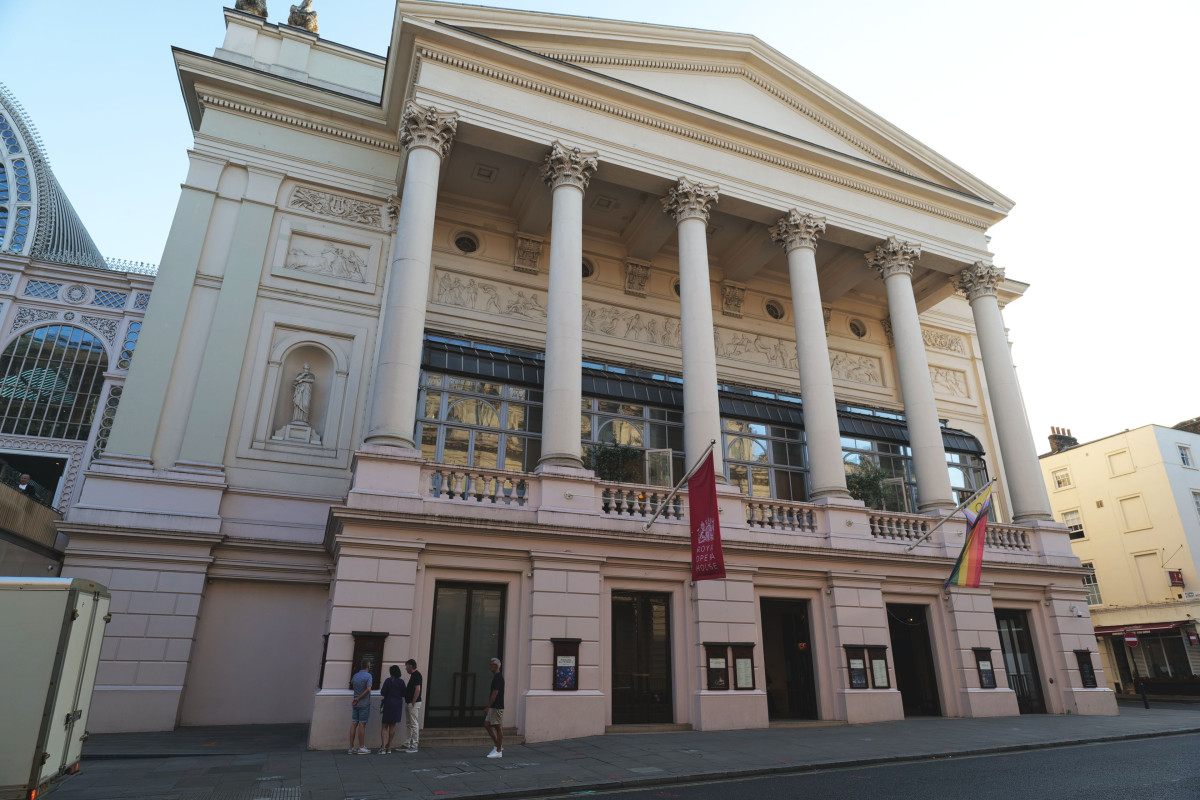

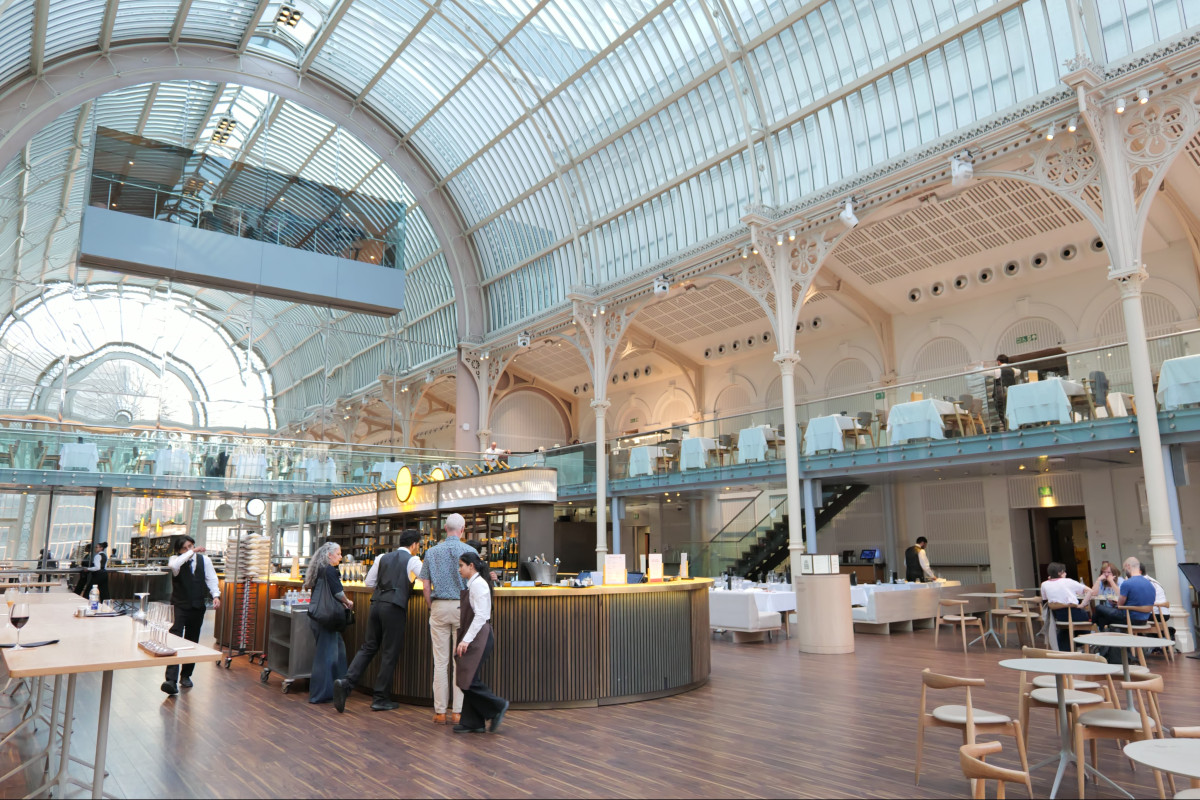
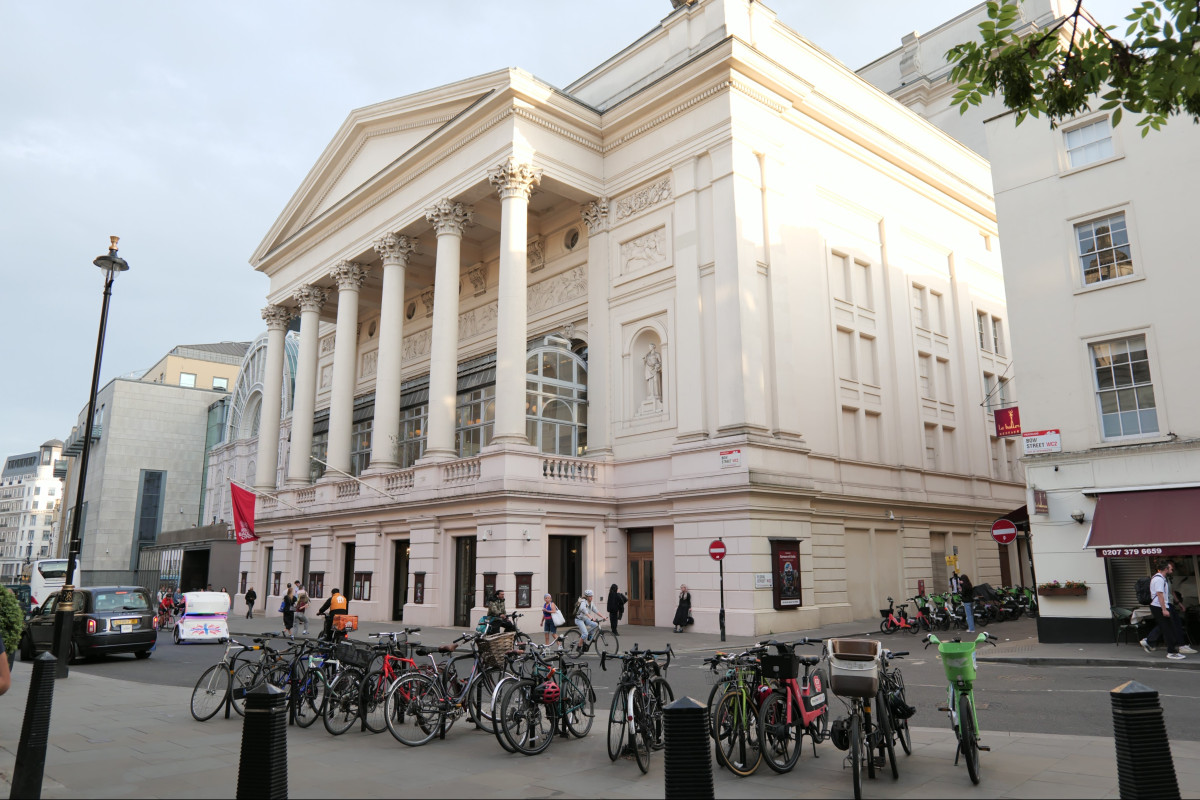
In the heart of Covent Garden, the Royal Opera House stands as one of London’s most inspiring cultural landmarks, a place where music, movement, design, and human imagination meet beneath one magnificent roof. For generations, it has welcomed audiences seeking moments of beauty that rise above the ordinary, whether through the emotional sweep of opera or the precision and poetry of ballet. More than a performance venue, it is a living symbol of artistic ambition, where centuries of tradition continue to evolve in front of modern audiences.
The building itself carries an atmosphere of occasion. Approaching its grand façade, visitors sense they are entering a space shaped by ceremony, craftsmanship, and creative excellence. Inside, elegant public areas, sweeping staircases, and carefully restored architectural features create a balance between heritage and contemporary comfort. The Royal Opera House does not rely solely on its reputation; it earns admiration through the experience it offers from the first step through its doors to the final curtain call.
A historic home for world-class performance
The story of the Royal Opera House is deeply interwoven with London’s cultural history. Located in Covent Garden, the site has been associated with performance since the eighteenth century, surviving fires, rebuilding, reinvention, and changing artistic eras. This resilience gives the venue a special emotional depth. Every season feels connected to those that came before it, yet never trapped by the past. That rare combination of legacy and renewal is part of what makes the Royal Opera House so compelling.
Today, it is internationally celebrated as the home of The Royal Opera and The Royal Ballet, two institutions that represent the highest standards of performance. Audiences come not only to see famous productions but also to witness the discipline, collaboration, and creative risk that define live art at the highest level. Whether presenting a beloved classic or a bold contemporary work, the Royal Opera House maintains a commitment to excellence that resonates far beyond the stage.
Why the Royal Opera House captivates audiences
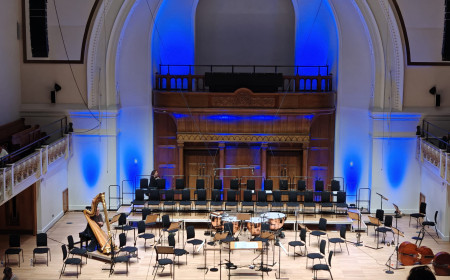
There is a unique energy inside the auditorium before a performance begins. The hush of anticipation, the glow of the chandeliers, and the sense of shared expectation remind visitors that live performance remains one of the most powerful forms of storytelling. At the Royal Opera House, that feeling is heightened by the caliber of the artists and the richness of the productions. Costumes, sets, lighting, music, and movement are brought together with extraordinary care, creating experiences that can feel intimate even within a grand setting.
Opera here can be both monumental and deeply personal. A soaring aria may fill the entire house, yet still seem to speak directly to each listener. Ballet performances offer a different but equally moving language, one in which emotion is carried through gesture, rhythm, and physical grace. Even first-time visitors often discover that they do not need specialist knowledge to be moved. The Royal Opera House has a way of making great art feel welcoming, immediate, and unforgettable.
- Exceptional artistry: Home to internationally respected singers, dancers, conductors, and creatives.
- Historic setting: A venue where architectural beauty enriches the performance experience.
- Diverse programming: From classic masterpieces to innovative new works.
- Central location: Perfectly placed in Covent Garden, close to shops, dining, and other attractions.
Architecture, atmosphere, and the visitor experience
Part of the magic of the Royal Opera House lies in how thoughtfully it welcomes both devoted arts lovers and curious newcomers. Public spaces are designed to encourage lingering, conversation, and reflection. Large windows and open areas create a sense of light and accessibility, while the historic auditorium preserves the glamour associated with an evening at the opera or ballet. The result is a venue that feels prestigious without becoming distant.
Visitors often appreciate that the experience extends beyond the performance itself. Bars, restaurants, and elegant foyers allow guests to turn an evening into a memorable occasion. During the day, guided tours provide access to stories and spaces that reveal the complexity behind the scenes. Learning about rehearsal processes, costume creation, stage mechanics, and the building’s history can deepen appreciation for what appears effortless under the spotlight. The Royal Opera House succeeds because it celebrates not only stars on stage but also the vast creative community that supports them.
A cultural landmark in Covent Garden
Its location is another reason the Royal Opera House remains central to London’s identity. Covent Garden is known for its lively streets, historic market atmosphere, stylish boutiques, and street performers, making a visit to the area rewarding even before the performance begins. The contrast is part of the charm: outside, the city moves with restless energy; inside, attention narrows toward the stage and the transformative power of art.
For travelers, the Royal Opera House offers a way to experience London at its most refined and emotionally resonant. For locals, it remains a source of pride and rediscovery, a place that can be revisited across the years with fresh perspective. Every season brings new casts, interpretations, and productions, proving that even familiar works can feel newly alive in the right hands.
Planning a memorable visit
A visit to the Royal Opera House can be as spontaneous or as carefully planned as you wish, but a little preparation helps make the experience even more rewarding. Choosing between opera and ballet often depends on personal taste, though many visitors find joy in exploring both. Evening performances offer a classic sense of occasion, while some daytime events and tours provide a more relaxed introduction to the venue.
- Check the performance calendar in advance for major productions and seasonal highlights.
- Book tickets early for popular shows, especially celebrated ballets and iconic operas.
- Arrive with time to enjoy the building, public spaces, and Covent Garden surroundings.
- Consider a backstage or architectural tour for a richer understanding of the venue.
- Keep an open mind if you are new to opera or ballet; the atmosphere itself is part of the reward.
Dress codes are generally more flexible than many first-time guests expect, though many still enjoy dressing up for the occasion. What matters most is entering with curiosity. The Royal Opera House invites audiences to slow down, listen closely, and engage with art that asks for attention in the best possible way.
An enduring symbol of artistic excellence
What ultimately sets the Royal Opera House apart is its ability to connect grandeur with humanity. It stages works of enormous scale, yet the lasting impression often comes from a single note, a silent gesture, or a fleeting moment of dramatic truth. In a fast-moving world, it offers something increasingly rare: sustained attention, shared feeling, and the reminder that beauty can still gather people together in meaningful ways.
Whether you are drawn by the brilliance of The Royal Ballet, the emotional force of The Royal Opera, the history of Covent Garden, or the architecture of the building itself, the Royal Opera House rewards every kind of visitor. It is not simply a place to watch a performance. It is a place to encounter dedication, heritage, and imagination at their highest level. To spend an evening there is to step into a tradition of excellence that continues to inspire London and the wider world, one performance at a time.
Royal Opera House