Soho Square
Discover Soho Square, London, through its history, green calm, creative spirit, and nearby attractions in this inspiring guide to the West End gem.
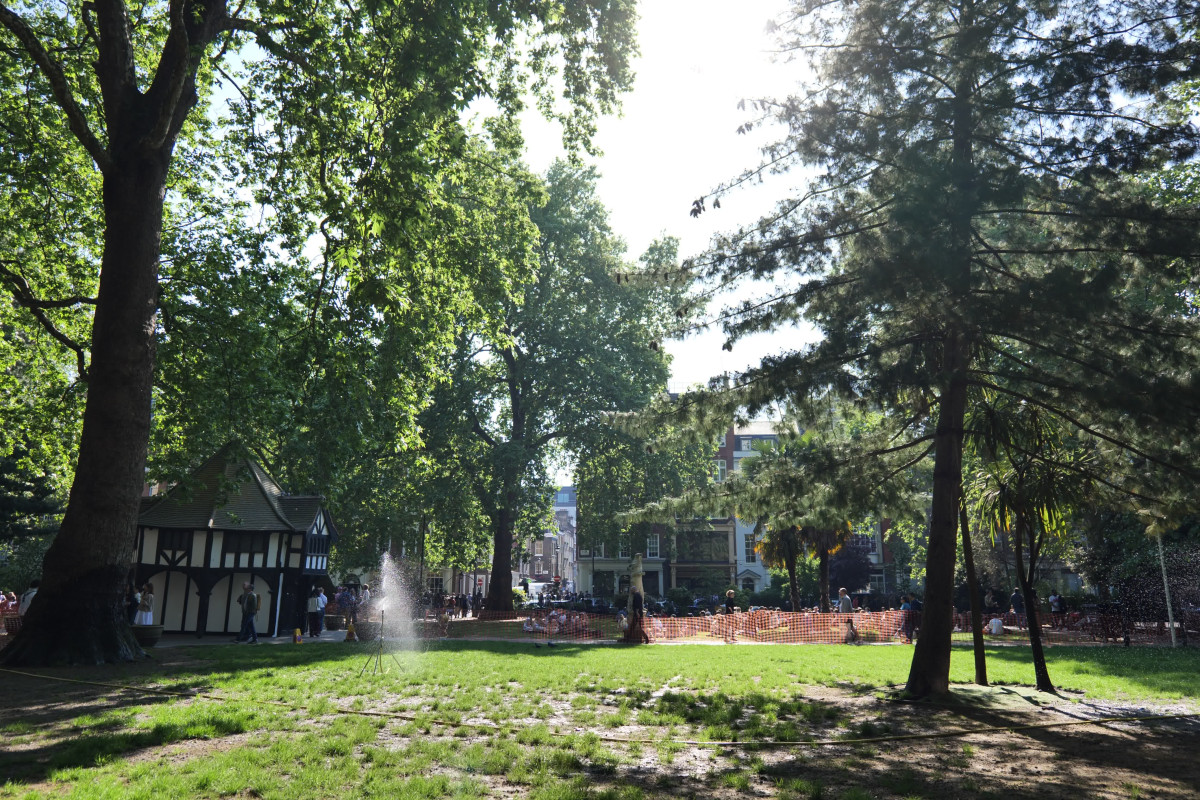
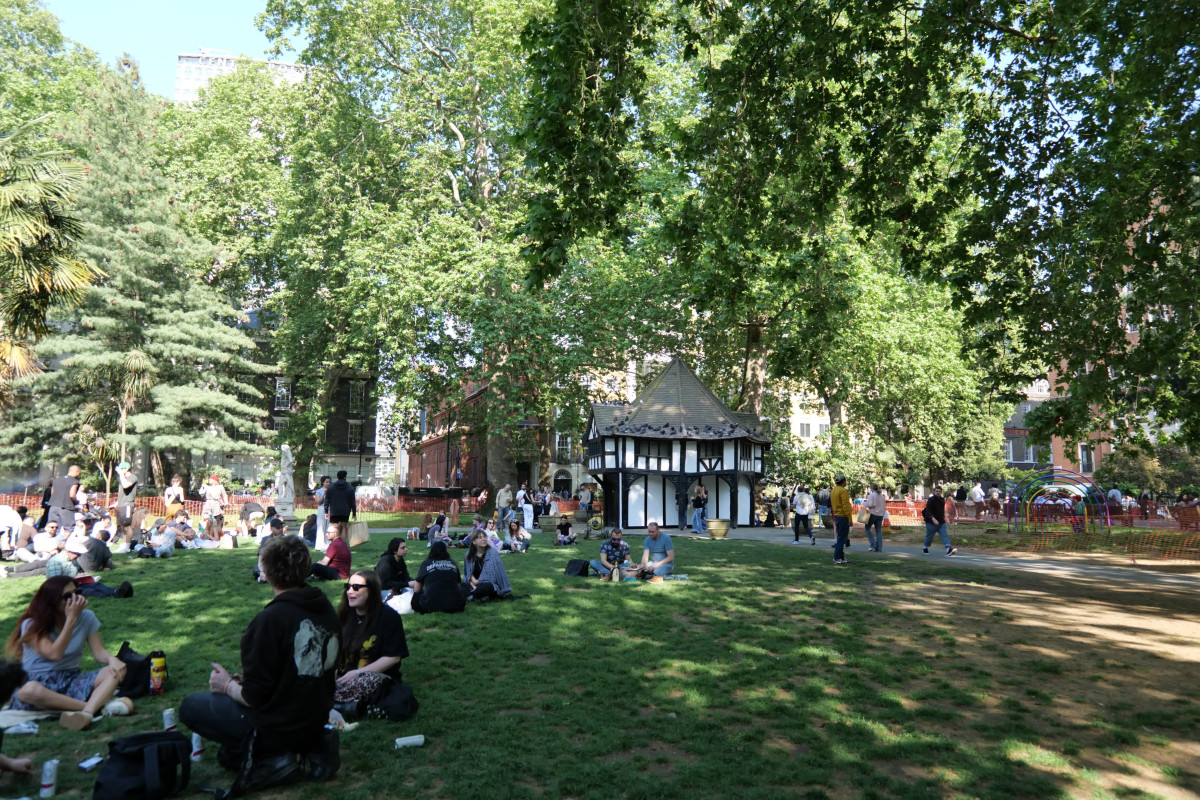
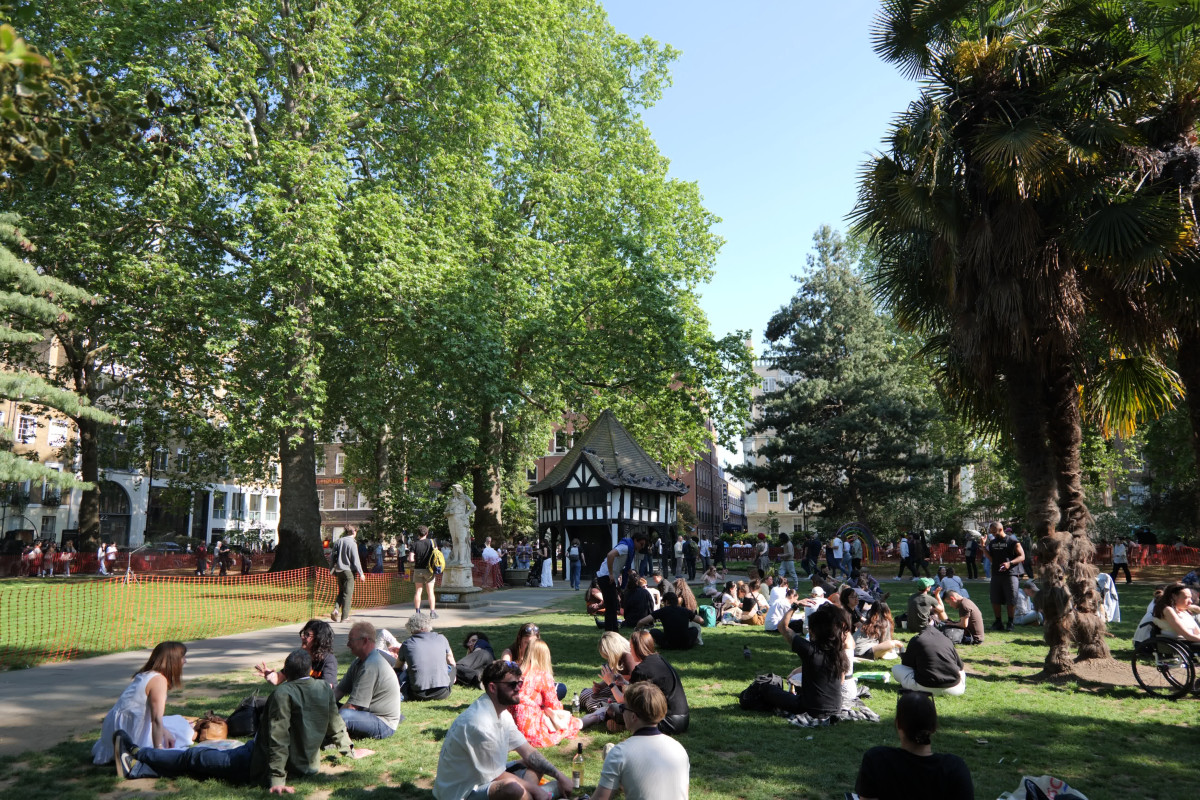
Set in the restless heart of the West End, Soho Square offers something London rarely gives away easily: a sense of pause. Surrounded by busy streets, theatres, offices, cafés, and the constant rhythm of Soho life, this elegant garden square feels like a quiet stage at the center of one of the city’s most expressive neighborhoods. It is not the largest green space in London, nor the grandest, yet its appeal lies in its balance of intimacy, history, and atmosphere. For visitors discovering central London and locals looking for a familiar refuge, Soho Square captures the character of the capital in miniature.
There is a particular pleasure in arriving here on foot. The surrounding streets are full of movement, with Oxford Street close by, Tottenham Court Road within easy reach, and the creative pulse of Soho unfolding in every direction. Then, almost unexpectedly, the square opens up. Trees soften the skyline, benches invite a slower pace, and the garden creates a visual and emotional contrast to the urban energy around it. This contrast is what makes Soho Square memorable. It is not separate from London’s intensity; it frames it, giving people a place from which to appreciate the city more deeply.
A square shaped by centuries
Soho Square dates back to the late 17th century, and that long history still lingers in its proportions and presence. Originally developed as a fashionable residential address, it reflected the ambitions of a growing London that was expanding westward. Over time, the square witnessed the changing identity of Soho itself, from aristocratic quarter to bohemian district, from immigrant neighborhood to creative powerhouse. Few places in central London reveal such a layered story with such quiet confidence.
Its architecture and layout hint at these earlier lives. Even as the area evolved around it, the square retained the dignity of a classic London garden square, a form that speaks to urban planning at its most humane. In a city often defined by reinvention, Soho Square reminds visitors that continuity can be just as powerful as change. The space does not demand attention with spectacle; instead, it rewards observation. The more time spent here, the more the square reveals itself as a witness to London’s social, cultural, and architectural transformation.
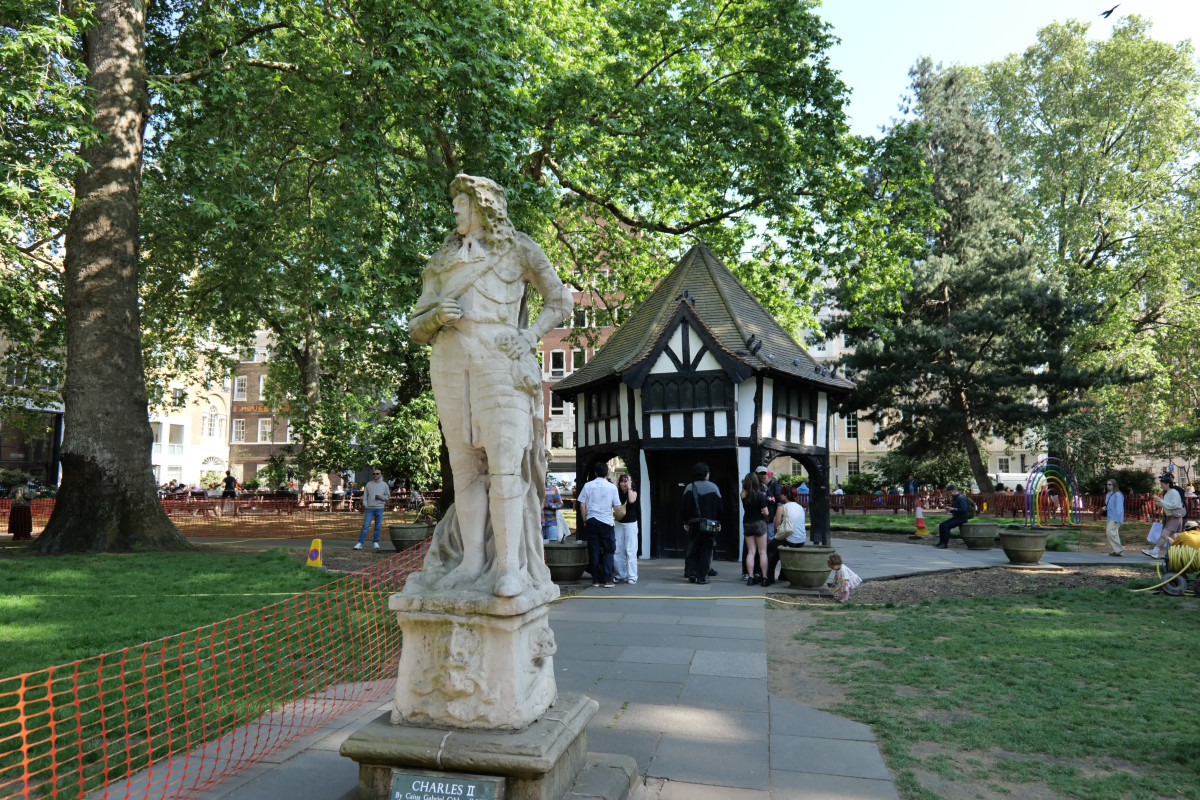
One of its most distinctive features is the small timber-framed structure in the center, often mistaken for something older or more mysterious than it is. This charming focal point adds a note of curiosity and whimsy, reinforcing the sense that Soho Square belongs to a London of stories, not simply schedules. It invites the imagination to wander, and in a district famous for creativity, that feels entirely appropriate.
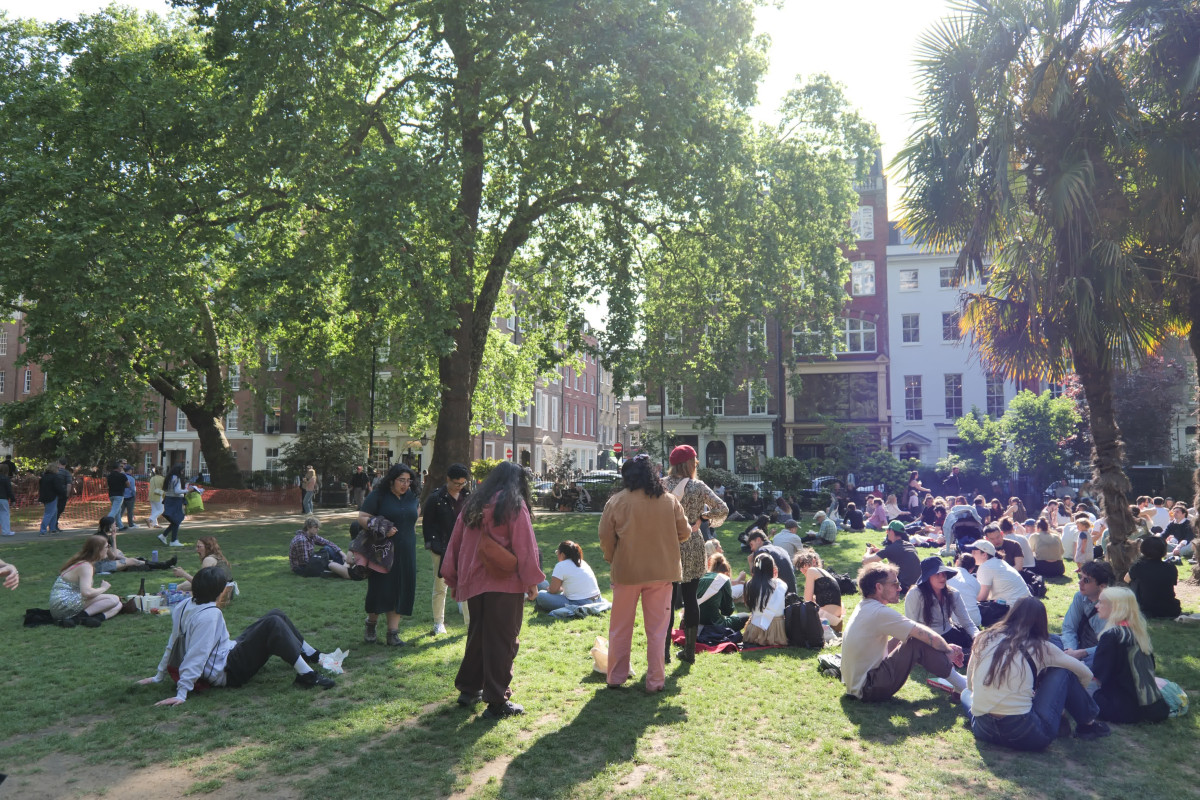
In contemporary London, public spaces are judged not only by beauty but by usefulness. Soho Square succeeds on both counts. Office workers gather here for lunch, friends meet before an evening in the theatre, students rest between classes, and travelers pause to orient themselves before diving back into the city. The square functions as a shared living room for the neighborhood, democratic in the best sense of the word.
What makes it especially valuable is the kind of experience it offers. This is not a destination built around consumption. You do not need a ticket, a reservation, or a shopping bag to belong here. You need only a little time. In a district known for entertainment, nightlife, and commercial energy, Soho Square provides a different luxury: space to breathe. That quality has become increasingly precious in major cities, and it is one reason the square continues to hold emotional as well as practical importance.
There is also inspiration in its modesty. Soho Square does not overwhelm with scale, yet it enriches the city immeasurably. It demonstrates how even a compact urban garden can shape the mood of an entire area. For anyone interested in how cities work at a human level, the square is a lesson in the power of thoughtful public space.
The atmosphere through the day
Morning in Soho Square has a gentle clarity. The light filters through the trees, nearby cafés begin to stir, and the square feels almost contemplative before the day gathers speed. By lunchtime, it becomes more animated, with workers and visitors filling benches and pathways. The mood remains relaxed, but there is a lively sociability to the scene that reflects Soho’s famously mixed crowd.
In the afternoon, the square often feels at its most balanced. The surrounding streets are still busy, yet the garden holds its calm. It is an ideal time for people-watching, reading, or simply sitting still in the center of London and noticing how rare that can be. As evening approaches, the neighborhood changes tempo again. Theatres, restaurants, bars, and music venues begin to draw people outward, and Soho Square becomes a transitional space between the working day and the city’s nocturnal life.
This changing atmosphere is part of its charm. The square is never entirely one thing. It is restful without being sleepy, central without being chaotic, historic without feeling frozen in time. That flexibility mirrors Soho itself, a district that has always thrived on reinvention while holding fast to its identity.
What to explore nearby
One of the great advantages of Soho Square is its location. From here, some of London’s most dynamic cultural and commercial areas are within a short walk. Visitors can easily build an afternoon or full day around the square.
- Soho’s dining scene: Independent restaurants, classic cafés, and global flavors line the nearby streets.
- West End theatres: A performance in Theatreland is only moments away.
- Oxford Street and Regent Street: For shopping, flagship stores, and iconic city energy.
- Tottenham Court Road and the Elizabeth line: Excellent transport links make the square easy to reach.
- Chinatown and Covent Garden: Ideal for extending a walk into other character-rich parts of central London.
This connectivity makes Soho Square more than a pleasant stop. It becomes a natural anchor point for exploring London, especially for those who want a journey that blends heritage, culture, and everyday city life.
Tips for enjoying Soho Square
- Visit in the late morning or mid-afternoon for a calmer experience and softer light.
- Bring a coffee or takeaway lunch and enjoy the square as locals do.
- Use it as a reset point between shopping, sightseeing, or theatre plans.
- Take time to notice the details, from the garden layout to the surrounding architecture.
- Combine your visit with a walk through Soho’s smaller streets, where the neighborhood’s personality is strongest.
Ultimately, Soho Square represents one of London’s most appealing contradictions: a quiet place at the center of a loud city. It speaks to the capital’s ability to layer history, greenery, creativity, and community into a single compact space. For travelers, it offers an authentic encounter with central London beyond the headline landmarks. For Londoners, it remains a dependable and deeply human part of daily life.
To spend time in Soho Square is to understand that not every memorable place needs to be monumental. Some places matter because they help a city breathe, and because they remind us to do the same. In that sense, Soho Square is more than a garden or a landmark. It is a pause filled with character, a meeting point between past and present, and a small but enduring expression of what makes London endlessly compelling.