Sherlock Holmes Museum
Explore the Sherlock Holmes Museum on Baker Street and discover Victorian rooms, iconic artifacts, and the enduring charm of London’s greatest detective.
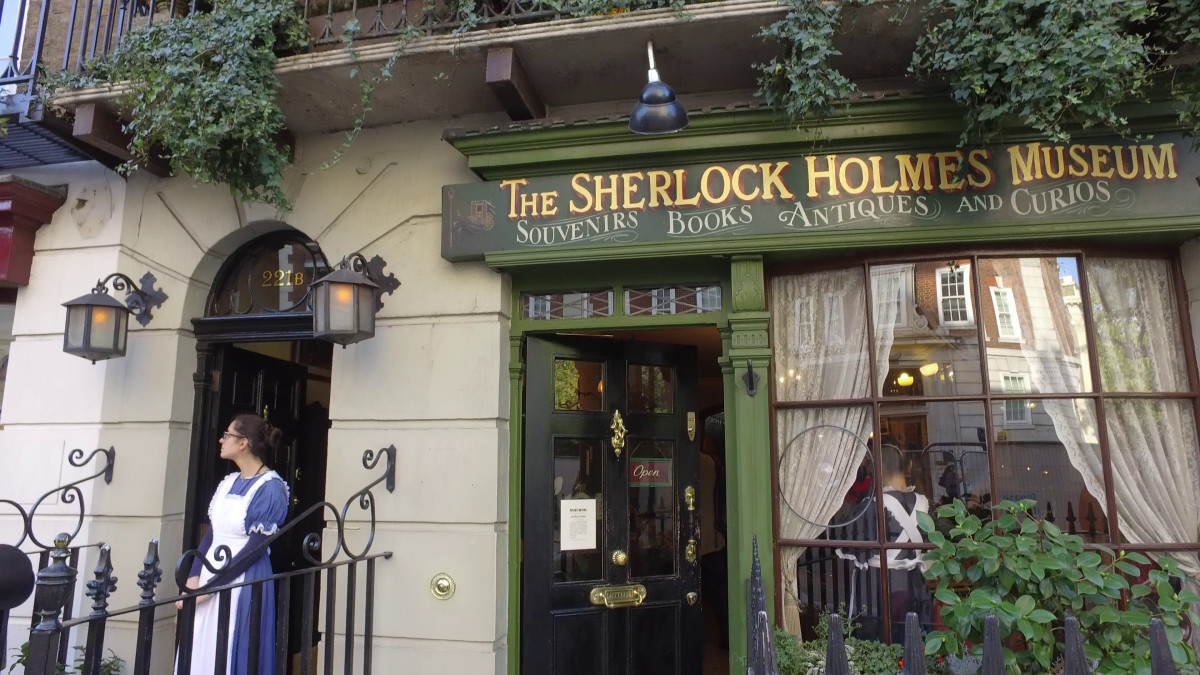
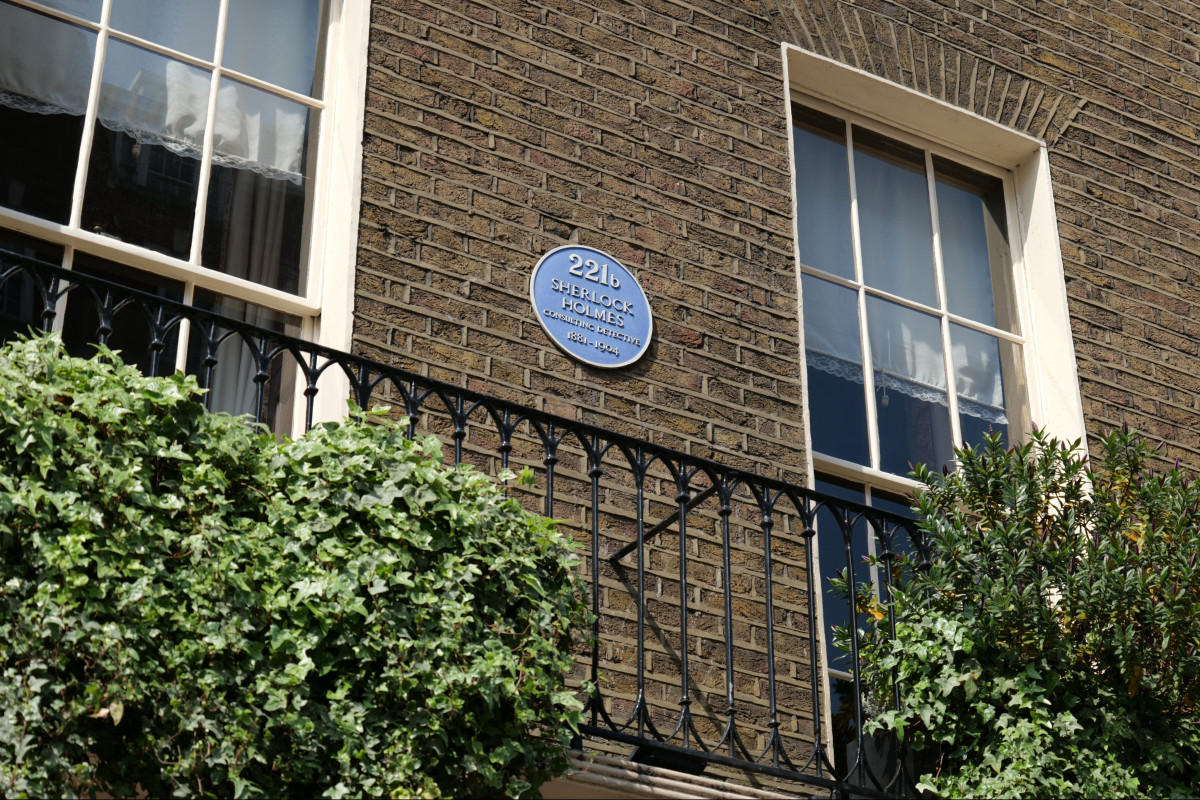
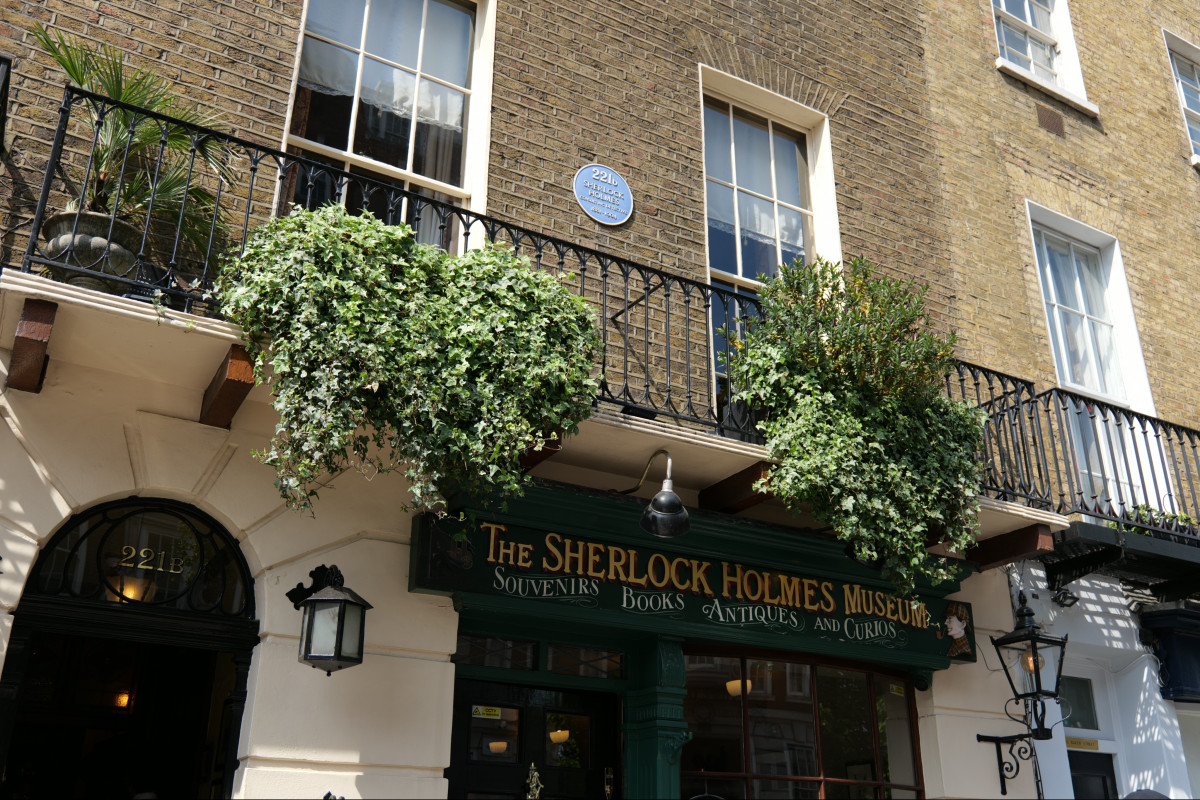
Few literary addresses in the world feel as vivid as 221B Baker Street. For generations of readers, Sherlock Holmes has existed not only as a fictional detective but as a living presence in London’s imagination. The Sherlock Holmes Museum transforms that imagination into something wonderfully tangible, inviting visitors to cross the threshold into a place where gaslight, deduction, and adventure seem to linger in every corner. More than a tribute to a beloved character, it is a carefully staged encounter with Victorian atmosphere, storytelling, and the enduring power of Arthur Conan Doyle’s creation.
Set in a historic townhouse near Baker Street, the museum captures the spirit of late 19th-century London with striking confidence. From the moment visitors approach the familiar black door and the famous numerals, the line between fiction and reality begins to blur. This is part of the museum’s great magic. Sherlock Holmes never occupied these rooms in a literal sense, yet the setting feels so convincing that disbelief quickly gives way to delight. Fans arrive with memories of stories, film adaptations, and television portrayals, and they leave with the feeling that they have briefly stepped inside the detective’s private world.
Inside, the experience unfolds as an intimate journey rather than a conventional museum tour. The rooms are arranged to reflect the domestic and investigative life associated with Holmes and Dr. Watson. The sitting room is often the emotional center of the visit, instantly recognizable for its period furnishings, richly patterned wallpaper, and carefully placed objects that echo details from the stories. A violin rests nearby, suggesting Holmes’s restless mind and artistic temperament. Correspondence, chemical equipment, and personal effects help create the impression that the detective has just stepped out and may return at any moment.
What makes the museum especially appealing is its ability to celebrate character through objects. Every pipe, magnifying glass, notebook, and hat becomes part of a larger narrative. Visitors are not simply looking at antiques; they are reading a visual biography of one of literature’s most fascinating minds. Dr. Watson’s presence is also strongly felt, bringing warmth and humanity to the setting. Together, these details evoke the friendship at the heart of the Holmes stories, reminding guests that beyond the mysteries and deductions lies a compelling portrait of loyalty, intellect, and companionship.
A Victorian world brought to life
The Sherlock Holmes Museum succeeds because it does more than display memorabilia. It recreates a mood. The dim elegance of the interiors, the polished wood, the framed illustrations, and the domestic clutter all work together to immerse visitors in Victorian London. This atmosphere matters because Holmes belongs to a specific cultural moment: an age fascinated by science, empire, crime, and rational inquiry. The museum quietly reflects that world, allowing guests to sense the social texture behind the stories.
Upper floors deepen the experience with wax figures and scene reconstructions inspired by famous adventures. These displays give physical form to villains, clients, and dramatic episodes that readers may have imagined for years. For some visitors, these tableaux are nostalgic and theatrical; for others, they are an invitation to revisit the original tales with fresh curiosity. In either case, they reinforce the museum’s central achievement: turning literary memory into spatial experience.
The building itself contributes to the sense of authenticity. Narrow staircases, compact rooms, and period décor create a domestic scale that feels personal rather than grand. Unlike large institutions where visitors may drift quickly from case to case, this museum encourages close observation. That is fitting for a destination devoted to a detective whose genius depended on noticing what others overlooked. In a subtle way, the museum teaches its audience to look more carefully.
Why it continues to inspire visitors
The appeal of the Sherlock Holmes Museum extends far beyond devoted literary enthusiasts. It attracts travelers interested in London history, admirers of Victorian design, and curious visitors drawn by one of the most famous addresses in fiction. Part of its enduring popularity lies in the universal qualities Holmes represents: intelligence, discipline, courage, and the belief that mysteries can be solved through attention and reason. In a fast-moving world, there is something deeply refreshing about entering a place dedicated to observation, patience, and thought.
The museum also reminds us of the extraordinary reach of storytelling. Sherlock Holmes has crossed languages, generations, and media with remarkable ease. He has been reimagined countless times, yet the core image remains strong: the consulting detective in Baker Street, alert to the smallest clue and capable of transforming confusion into clarity. By preserving that image in physical form, the museum gives visitors an anchor point, a place where the legend feels immediate and accessible.
For many, a visit is also a celebration of reading itself. The rooms encourage guests to remember the thrill of opening a Holmes story and being pulled into a puzzle where every detail matters. That emotional connection is powerful. It turns the museum into more than a tourist stop; it becomes a pilgrimage for imagination. Visitors often leave inspired to reread Conan Doyle, explore more of London’s literary heritage, or simply pay closer attention to the stories that shape their own lives.
Making the most of a visit
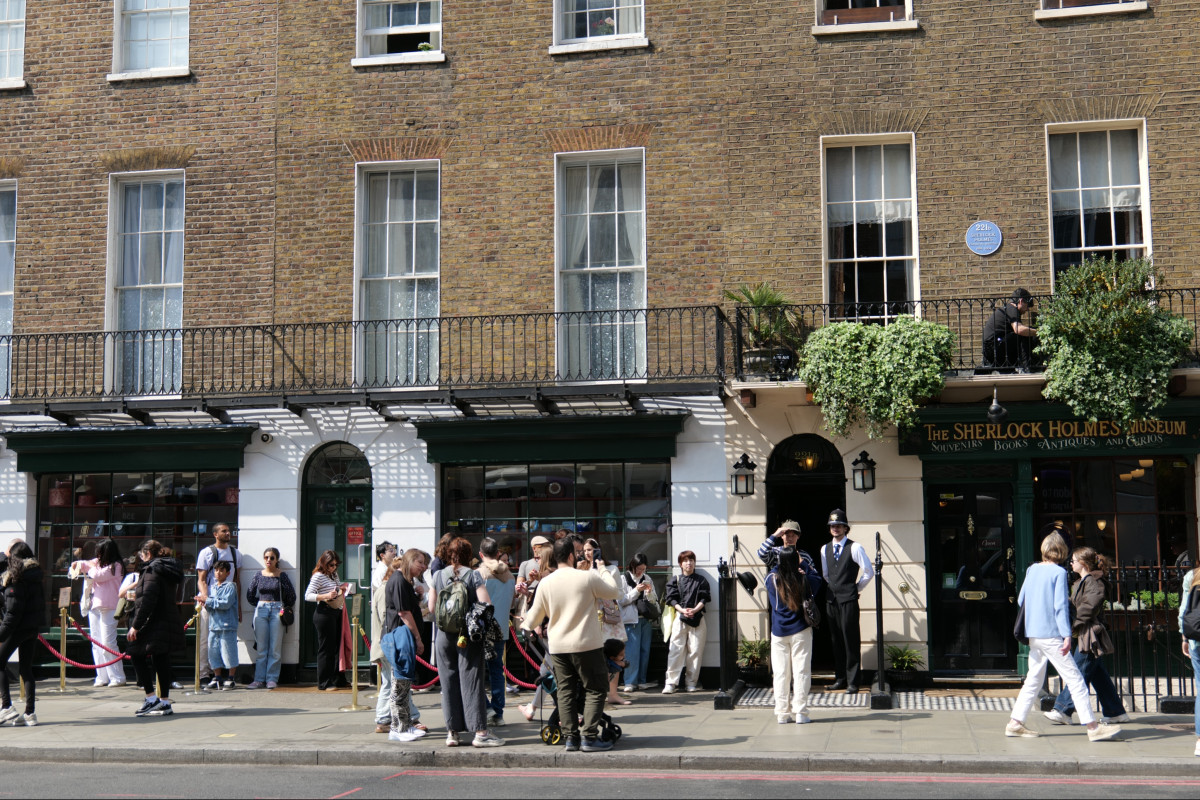
Because of its popularity, the museum can become busy, especially during weekends and peak travel seasons. Planning ahead helps visitors enjoy the intimate spaces at a more relaxed pace. The location is convenient for exploring other nearby London attractions, making it easy to include in a wider day of cultural discovery. Still, the museum deserves unhurried attention. Its pleasures are found in atmosphere and detail as much as in any single display.
- Arrive early for a calmer experience and better opportunities to appreciate the rooms.
- Look closely at small objects and written details, as they often contain references to well-known stories.
- Pair the visit with a walk through Marylebone to extend the sense of literary London.
- Browse the gift shop for editions, souvenirs, and keepsakes that continue the adventure beyond the museum.
Photography and the chance to stand in such an iconic setting add to the enjoyment, but the true reward is less about souvenirs and more about mood. The museum invites stillness, curiosity, and play. It asks visitors to imagine, to remember, and to participate in a fiction that has become part of cultural reality.
In a city filled with world-class landmarks, the Sherlock Holmes Museum offers something distinctively intimate. It does not rely on scale or spectacle. Instead, it succeeds through atmosphere, affection, and the careful preservation of an idea that has captivated readers for more than a century. To step inside is to enter a conversation between literature and place, between invention and belief. Whether you come as a lifelong Holmes admirer or a first-time visitor intrigued by Baker Street’s fame, the experience is memorable because it feels personal.
The museum stands as a tribute not only to Sherlock Holmes but to the enduring human desire for meaning, pattern, and discovery. It celebrates the thrill of the clue, the elegance of reason, and the comfort of a familiar fictional home. In that sense, it is more than a museum. It is an invitation to see the world with sharper eyes and a more adventurous spirit. And that may be the most Holmesian lesson of all.