Denmark Street - Tin Pan Alley
Explore Tin Pan Alley, London, the legendary music street where guitars, record deals, and rock history helped shape British sound.
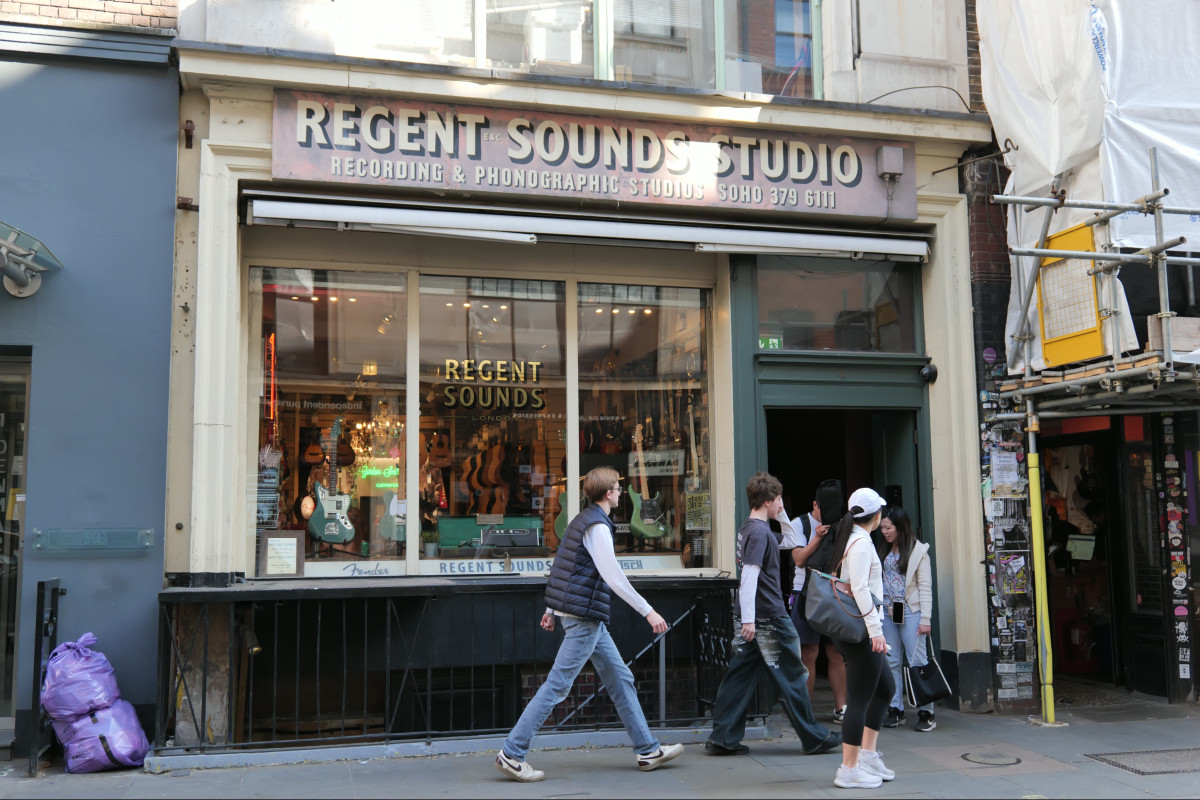
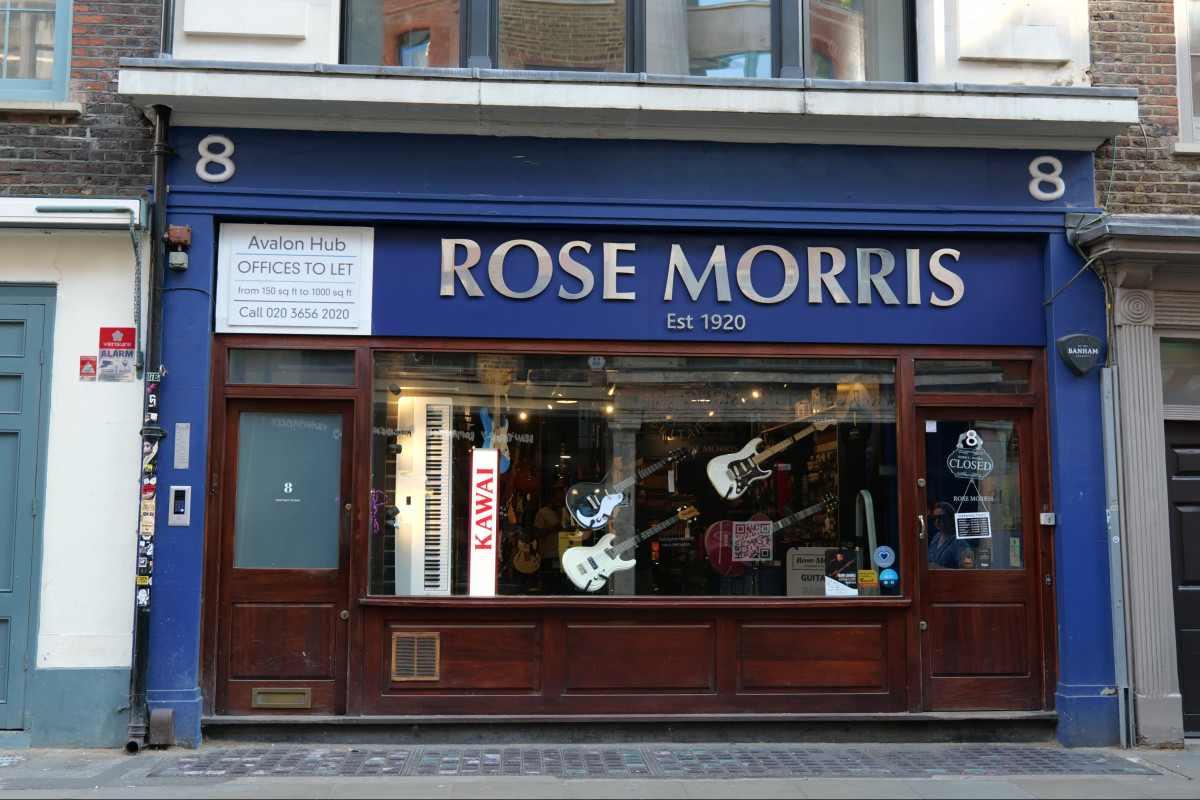
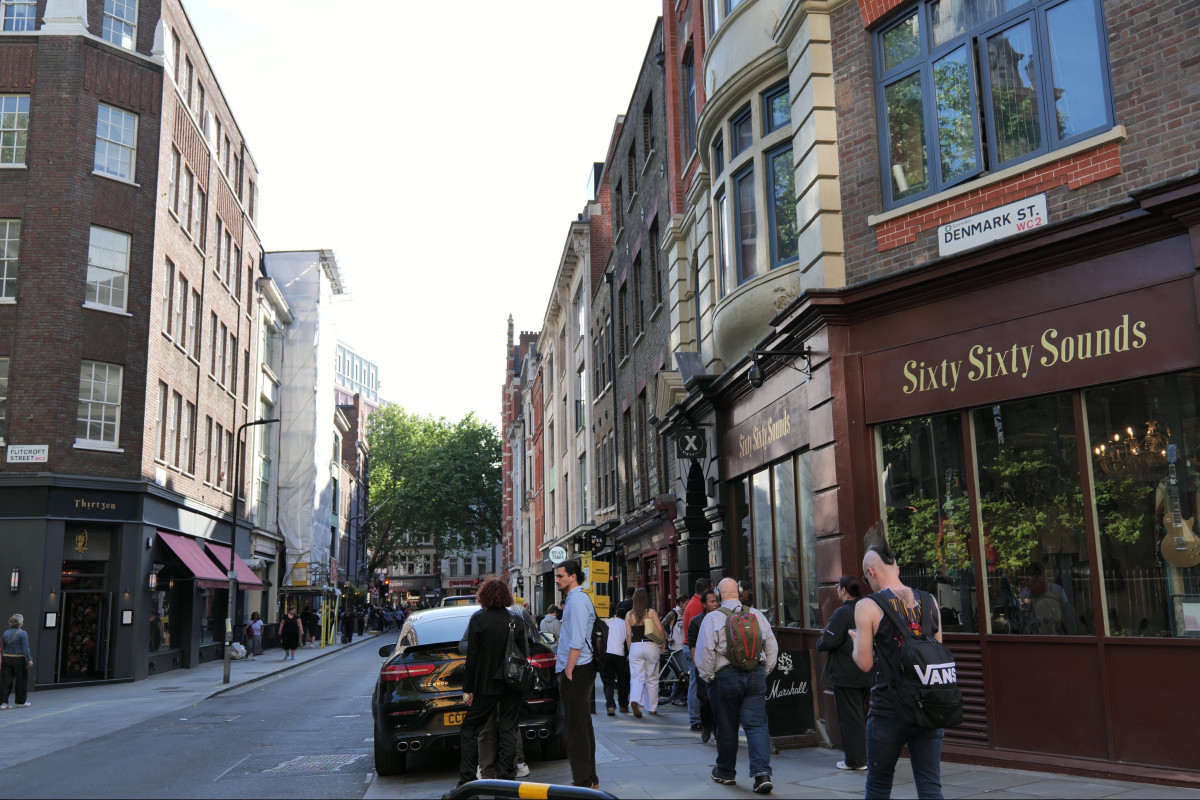
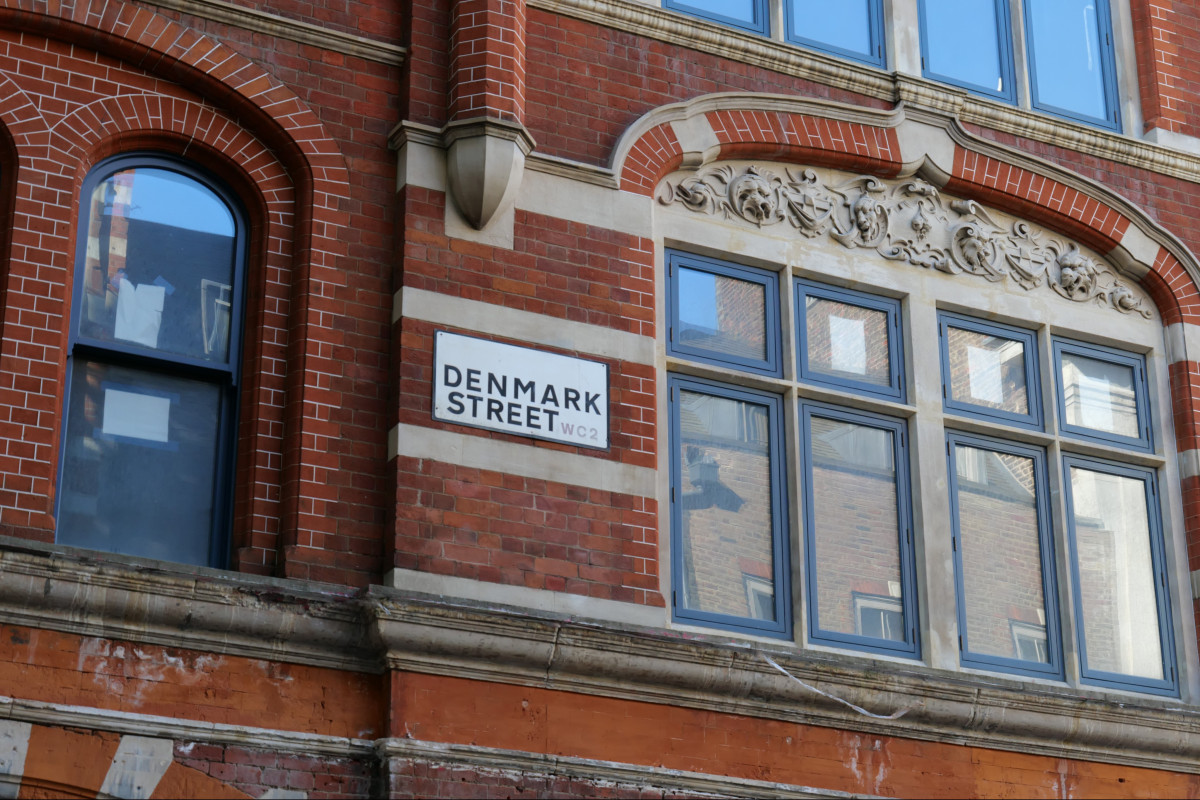
Hidden in the heart of the West End, Denmark Street, London's Tin Pan Alley, remains one of the most evocative streets in British music history. This short stretch between Charing Cross Road and St Giles High Street has carried an influence far greater than its size suggests. For decades, songwriters, publishers, guitar dealers, rehearsal rooms, and dreamers filled its buildings with noise, ambition, and invention. To walk here is to step into a place where the future of popular music was often imagined before it was heard anywhere else.
Unlike grand concert halls or famous arenas, Tin Pan Alley earned its reputation through daily creative work. It was never simply a monument to finished success. It was a working street, alive with demos, arguments over chords, chance meetings, and the restless energy of artists trying to make something unforgettable. That spirit still clings to the brickwork. Even as London changes around it, Denmark Street continues to symbolize the raw, practical, and deeply human side of music making.
Where London found its musical heartbeat
The nickname Tin Pan Alley was borrowed from New York, where it described a district associated with song publishing. In London, the label became attached to Denmark Street because of its remarkable concentration of music businesses. By the early twentieth century, publishers had begun establishing offices here, turning the street into a center of commercial songwriting. Sheet music, contracts, and industry conversations passed through these doors long before electric guitars became the defining image of the area.
As the decades moved on, the street evolved with the sound of the times. What began as a publishing hub grew into a broader ecosystem of music culture. Recording companies, management offices, studios, and instrument shops all found a home here. This layering of roles made Tin Pan Alley unique. It was not just where songs were sold; it was where careers were assembled piece by piece. A musician could buy strings, meet a publisher, rehearse a new track, and chase an introduction to someone influential without leaving the same street.
That density of possibility helped make Denmark Street a magnet for talent. Aspiring artists arrived hoping to be discovered, while established names came to write, record, negotiate, or simply absorb the atmosphere. The result was a rare environment where commerce and creativity were constantly colliding, often productively.
A street of legends and near legends
Part of the enduring fascination of Tin Pan Alley lies in the extraordinary number of artists linked to it. The street has been associated with figures such as David Bowie, Elton John, the Rolling Stones, the Kinks, the Sex Pistols, and countless others who shaped British and global music. Some recorded demos here. Some rehearsed in cramped rooms above the shops. Some signed deals that changed their lives. Others simply spent time on the street, searching for the right instrument or the right break.
Yet the mythology of Denmark Street is not built only on superstars. It also belongs to the thousands of musicians who never became household names but contributed to the street’s electric atmosphere. Tin Pan Alley was sustained by session players, shop owners, technicians, song pluggers, producers, and hopeful bands carrying amplifiers up narrow staircases. Their stories matter because they reveal what made the place so powerful: it offered access. It suggested that music was not a distant fantasy but a craft that could be pursued, tested, and refined in real rooms with real people.
That democratic energy is central to its appeal. On Tin Pan Alley, greatness often felt just one conversation away. Even disappointment became part of the education. The street taught resilience, sharpened instincts, and rewarded persistence. It was a place where ambition had a physical address.
The famous guitar shops and the culture of discovery
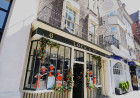
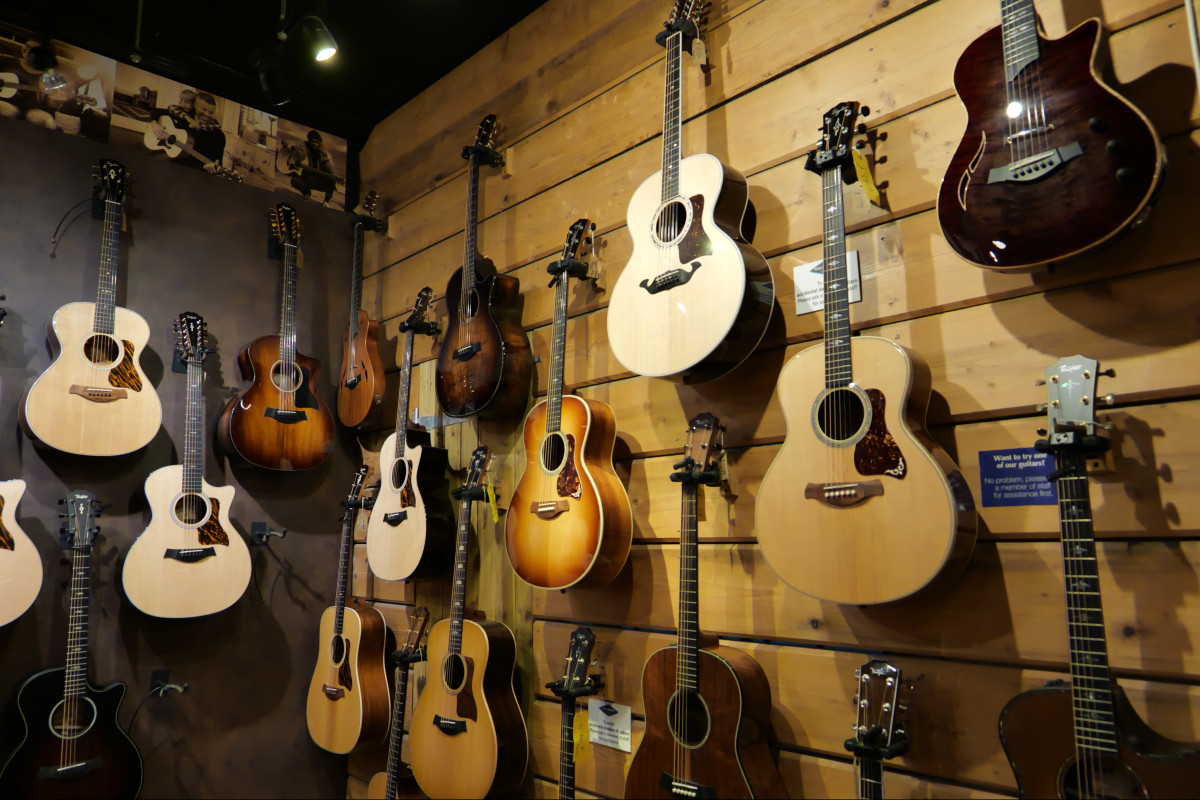
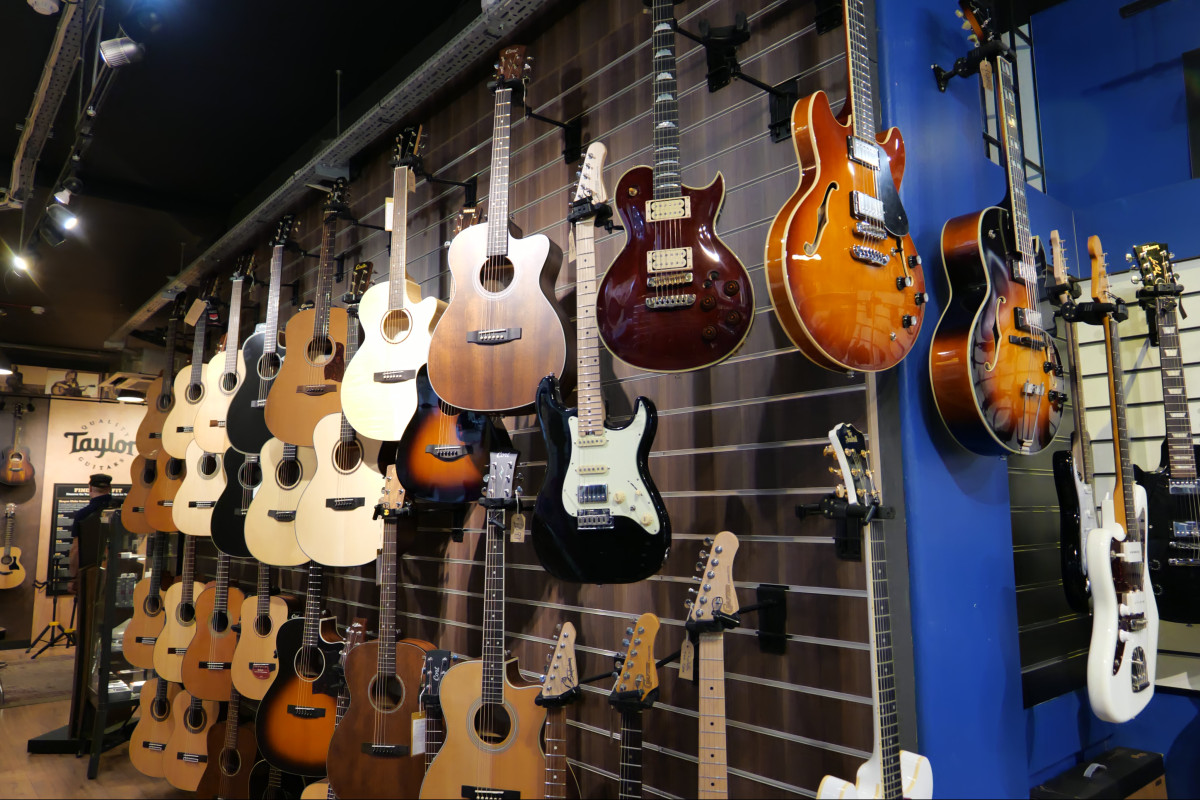
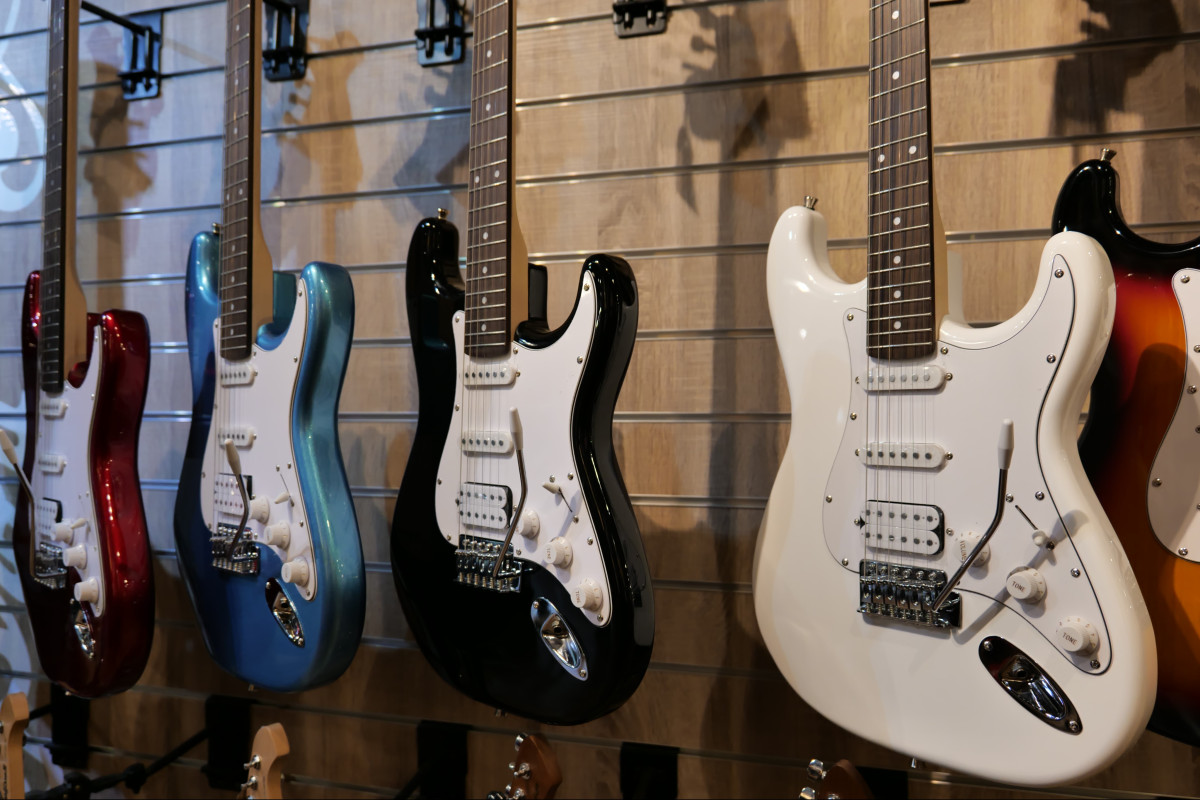
For many visitors today, Denmark Street is most closely associated with its instrument shops. Their windows, packed with gleaming electric guitars, vintage models, pedals, and amplifiers, have long drawn players from around the world. To stand before them is to understand that Tin Pan Alley is not only about history; it is also about touch, sound, and possibility. Instruments here are not museum pieces behind glass. They invite imagination. A guitar hanging in a shop window can still trigger the same thought it did fifty years ago: perhaps this is the one that starts everything.
These shops helped shape the street’s identity by making music tangible. A young player could arrive with little more than determination, test an instrument once used by heroes, and leave feeling newly connected to a larger tradition. For professionals, the street offered expertise and community. For beginners, it offered initiation. The exchange between buyer and seller often became an exchange between generations of musicians.
- Historic appeal: Denmark Street has long been known for specialist music retailers and rare instruments.
- Creative access: Players of every level have been able to try gear in an environment steeped in musical heritage.
- Global draw: Visitors come not only to shop, but to experience one of the most storied music streets in the world.
This retail culture gave Tin Pan Alley a pulse that extended beyond nostalgia. It kept the street interactive. People did not come only to remember music history; they came to participate in it.
Change, preservation, and the meaning of legacy
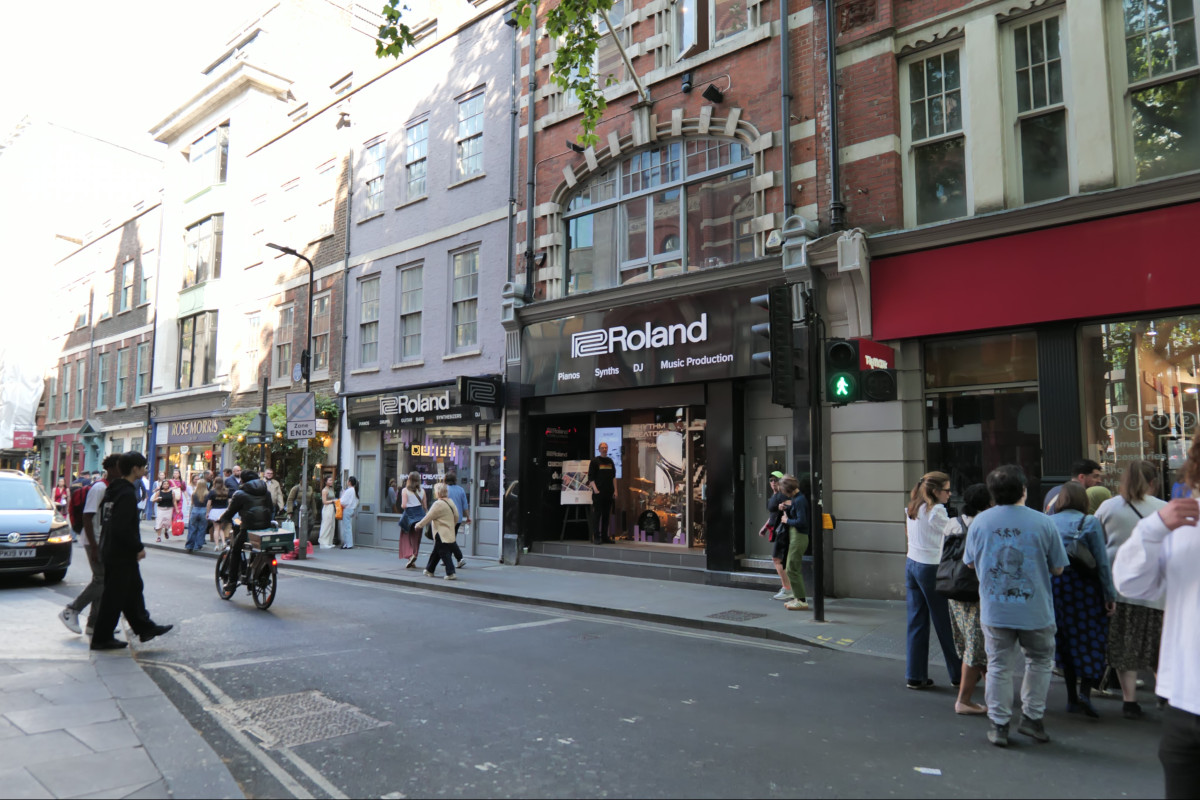
Like many historic parts of London, Tin Pan Alley has faced pressure from redevelopment and modernization. Buildings have been altered, businesses have shifted, and the surrounding neighborhood has transformed dramatically. These changes have prompted debates about what exactly should be preserved: the facades, the function, the memory, or the spirit. In truth, the importance of Denmark Street lies in all of these elements together.
Preserving Tin Pan Alley does not mean freezing it in time. Music itself never stands still. The deeper challenge is to protect the conditions that made the street culturally vital: independence, accessibility, expertise, and a visible connection between aspiring artists and the industry that supports them. If those qualities survive, the street remains authentic even as it evolves.
That is why Denmark Street continues to matter. It represents a model of urban creativity in which small spaces can produce enormous cultural impact. In an age when music is often streamed invisibly and careers can begin online, Tin Pan Alley reminds us that place still matters. Creativity thrives in neighborhoods where people can meet by accident, learn by observation, and feel part of a living scene.
For visitors, the experience of Tin Pan Alley is less about spectacle than about resonance. It is a street best appreciated slowly. Look up at the upper floors where songs were written. Listen for the hum of commerce and rehearsal. Notice how ordinary the architecture can seem until you remember how much extraordinary music passed through it. The magic of Denmark Street lies in that contrast. It proves that cultural revolutions do not always begin in grand settings. Sometimes they begin in compact rooms above a busy London street.
Tin Pan Alley, London endures because it captures something timeless about artistic ambition. It is a reminder that music history is not only made by icons on stage, but by communities working behind the scenes, day after day, to turn inspiration into sound. Denmark Street may be short in distance, but in imagination it stretches across generations. For anyone who loves British music, it remains a place of pilgrimage, possibility, and profound creative memory.