Whitechapel Gallery
Discover Whitechapel Gallery in London, where bold contemporary art, radical ideas, and East End history meet in an inspiring cultural destination. A creative East End Landmark.
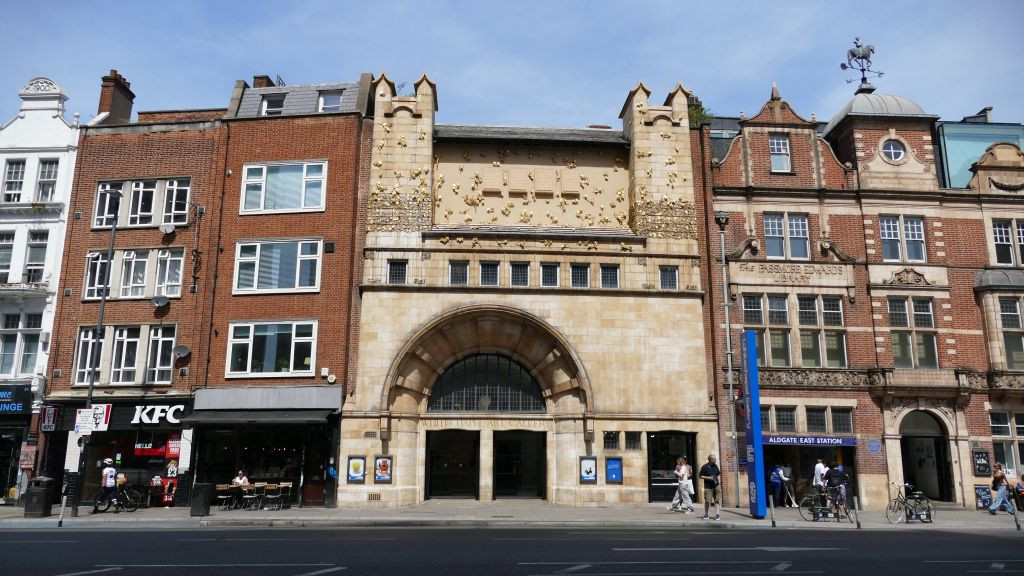
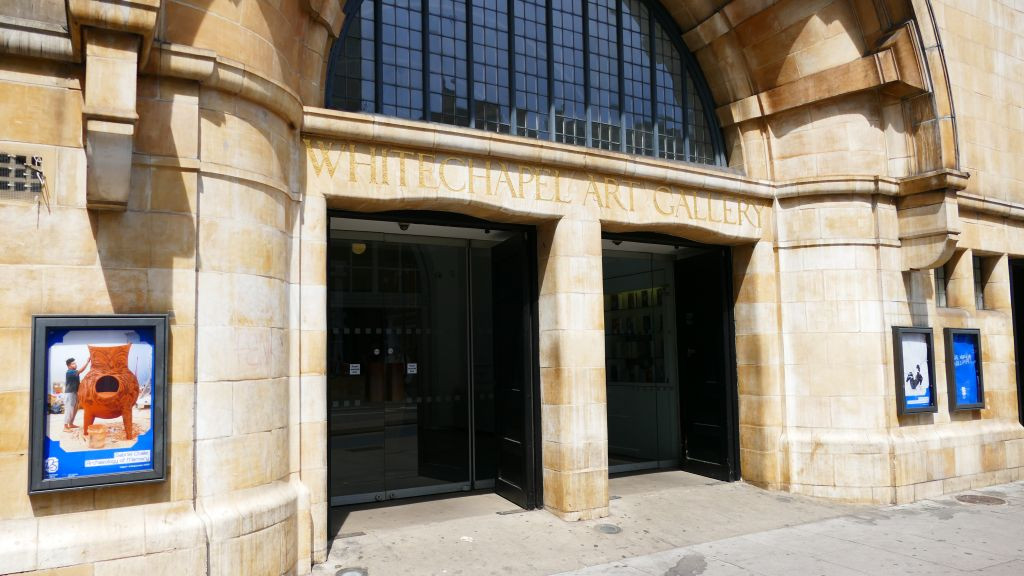
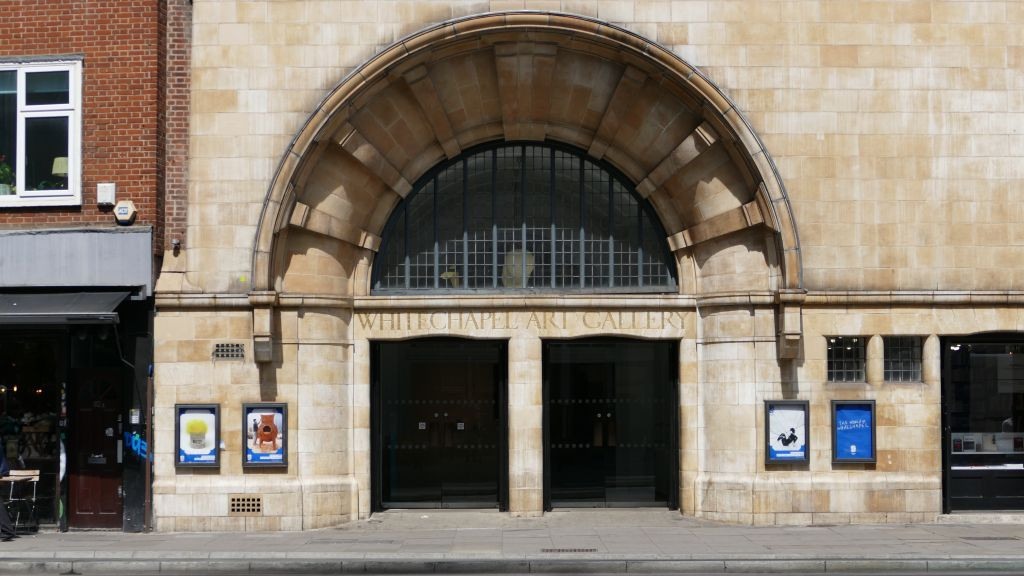
Next to Aldgate East underground station In the heart of London’s East End, Whitechapel Gallery stands as one of the city’s most influential spaces for modern and contemporary art. It is more than a gallery to visit between famous landmarks; it is a place where ideas are tested, new voices are amplified, and the relationship between art and everyday life feels immediate. For travelers, students, collectors, and curious Londoners alike, this historic institution offers an experience that is both intellectually energizing and emotionally memorable.
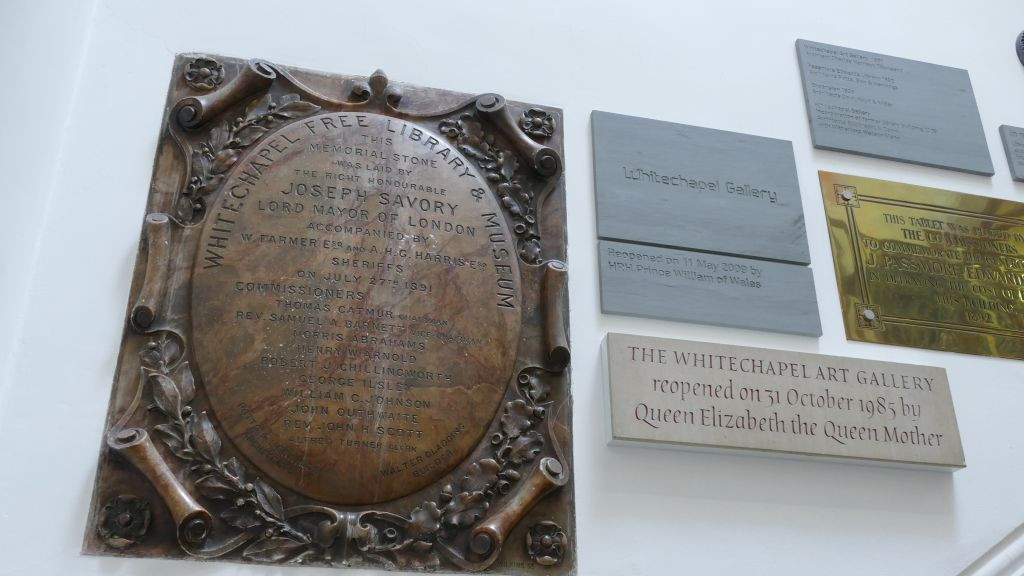
Founded in 1901, the gallery was created with an ambitious social purpose: to bring great art to the people of the East End. That founding vision still shapes its identity today. While many cultural institutions can feel distant or formal, Whitechapel Gallery has long embraced openness, experimentation, and public dialogue. Its location on Whitechapel High Street places it within one of London’s most layered neighborhoods, where migration, commerce, activism, and reinvention have all left a visible mark. The gallery reflects that same spirit of movement and exchange.
Architecturally, Whitechapel Gallery balances heritage and renewal with remarkable ease. The original Arts and Crafts building gives the institution a sense of civic dignity, while later expansions have introduced elegant contemporary spaces that support ambitious exhibitions and public programs. Inside, the atmosphere is bright, calm, and welcoming. The galleries are designed to let the artwork lead, whether the show features painting, sculpture, photography, film, installation, or performance. Visitors often find that even before engaging with a specific exhibition, the building itself creates a feeling of possibility.
A gallery with a radical legacy
Whitechapel Gallery has played a defining role in the history of art in Britain. Over the decades, it has presented groundbreaking exhibitions that helped shape public understanding of modern and contemporary practice. Major artists who would later become central to international art history have exhibited here, and the gallery has consistently shown a willingness to take risks on emerging talent. This combination of historical importance and forward-looking curiosity is part of what makes Whitechapel so compelling.
Its reputation does not rest only on famous names. The gallery is equally respected for championing artists whose work challenges dominant narratives, explores urgent social questions, or reimagines what an exhibition can be. That means a visit may introduce you to a globally celebrated figure or to an artist you have never encountered before but will not soon forget. Whitechapel Gallery invites visitors to look beyond trends and engage with art as a living conversation.
That conversation often extends into politics, identity, memory, and urban life. Exhibitions here are rarely passive. They ask questions about who gets represented, how histories are told, and what art can reveal about the present moment. In a city filled with cultural attractions, Whitechapel Gallery distinguishes itself by offering not only visual pleasure but also intellectual depth. It is a place where seeing becomes thinking.
What to expect when you visit
The experience of visiting Whitechapel Gallery is shaped by variety. One room may hold a carefully curated historical exhibition, while another immerses you in experimental multimedia work. This changing program keeps the gallery dynamic and encourages repeat visits. Even regular visitors rarely encounter the same atmosphere twice, because the institution thrives on reinvention.
Alongside exhibitions, Whitechapel Gallery is known for talks, screenings, commissions, educational projects, and community engagement. These activities deepen the sense that the gallery is not simply displaying art but actively producing culture. For visitors who want more than a quick walk-through, this layered programming can transform a single outing into a richer encounter with contemporary ideas.
The gallery also appeals to different levels of familiarity with art. You do not need specialist knowledge to appreciate what is on view. Labels, interpretation, and public events often provide accessible entry points, while the quality of the curation rewards those seeking deeper context. This balance is one of Whitechapel’s greatest strengths: it remains serious without becoming exclusionary, and adventurous without losing clarity.
- Location: A central East London setting with excellent transport links.
- Focus: Modern and contemporary art with an international outlook.
- Atmosphere: Thoughtful, inclusive, and creatively charged.
- Appeal: Ideal for art lovers, cultural travelers, and curious first-time visitors.
The East End connection
To understand Whitechapel Gallery fully, it helps to step outside its doors and look at the surrounding streets. The East End has long been associated with resilience, diversity, and transformation. Markets, workshops, religious buildings, street art, and new creative businesses all coexist here, creating an urban environment that feels intensely alive. The gallery does not sit apart from this context; it is deeply connected to it.
That connection gives Whitechapel Gallery a distinctive energy compared with institutions in more formal cultural districts. Here, art feels embedded in the rhythm of the city. A visit can easily become part of a wider day exploring East London, from nearby Brick Lane and Spitalfields to independent cafés and design shops. The neighborhood adds texture to the gallery experience, making it feel less like an isolated cultural stop and more like an encounter with London’s evolving creative identity.
For international visitors, this setting can be especially rewarding. Whitechapel offers a perspective on London that goes beyond royal landmarks and postcard views. It reveals a city shaped by communities, ideas, and constant reinvention. In that sense, the gallery becomes both a destination for art and a gateway to a more nuanced understanding of the capital.
In an age of endless digital images, Whitechapel Gallery reminds us of the power of seeing art in person. Standing before a painting, moving through an installation, or watching a film in a shared space creates a kind of attention that screens rarely allow. The gallery protects that experience while also responding to contemporary life with urgency and imagination.
Its continued relevance comes from its refusal to become static. Whitechapel Gallery honors its history, but it does not rely on nostalgia. Instead, it continues to ask what a public gallery should be now: inclusive, critical, hospitable, and brave enough to support artistic risk. That mission resonates strongly in London, a city where cultural institutions are constantly being challenged to reflect broader publics and more diverse stories.
- For anyone planning a cultural itinerary in London, Whitechapel Gallery deserves a place near the top. It offers historical significance without stiffness, contemporary relevance without pretension, and a setting that captures the restless creativity of the East End. Whether you spend an hour or an afternoon there, the visit tends to linger in the mind.
- Check current exhibitions before arriving, as the program changes regularly.
- Allow time to explore the surrounding East London streets and cafés.
- Look out for talks or special events if you want a deeper experience.
Ultimately, Whitechapel Gallery is inspiring because it proves that art can be both accessible and transformative. It welcomes people in, trusts them to think, and gives space to artists who reshape how we see the world. In a city celebrated for its cultural wealth, this gallery remains distinctive not because it shouts the loudest, but because it listens, questions, and continually evolves. That quiet confidence, rooted in more than a century of artistic ambition, is what makes Whitechapel Gallery one of London’s essential cultural destinations.