Tower Bridge
Discover Tower Bridge in London—its history, engineering marvel, views, and visitor experience. Walk the glass floors and sail into wonder.
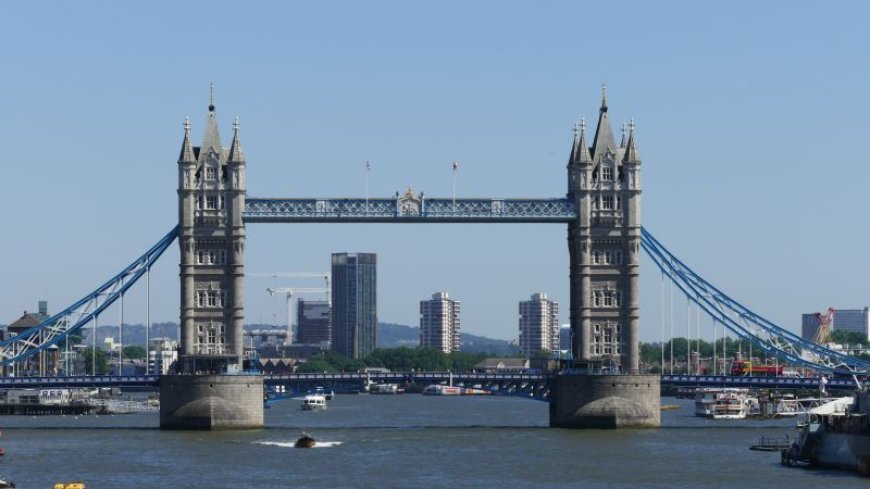
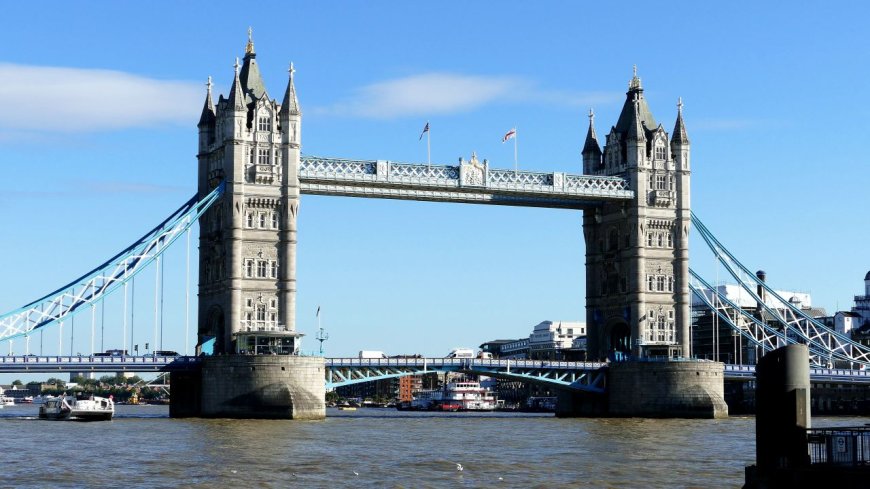
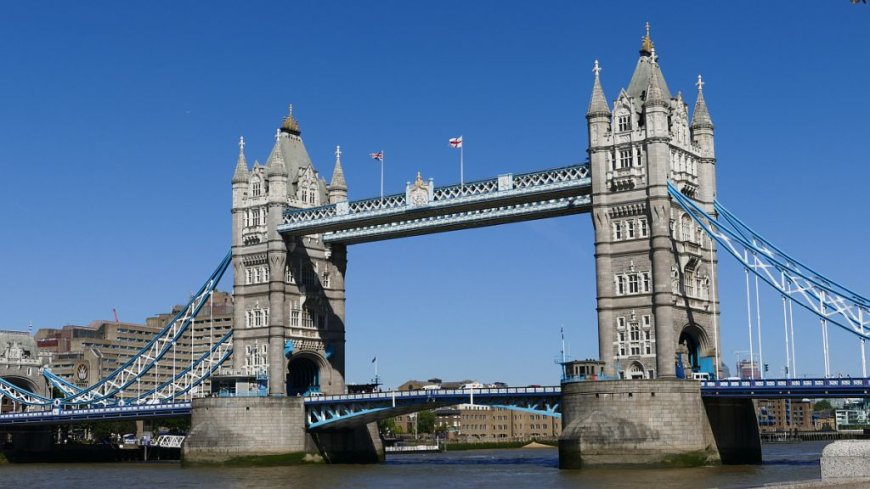
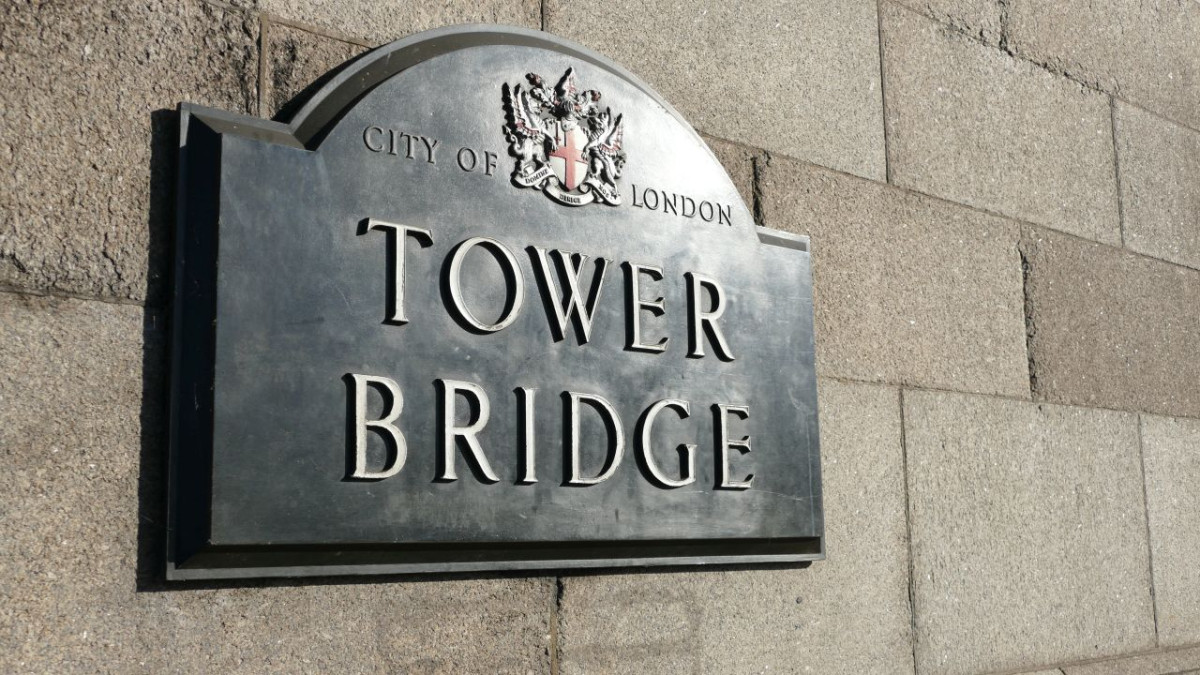
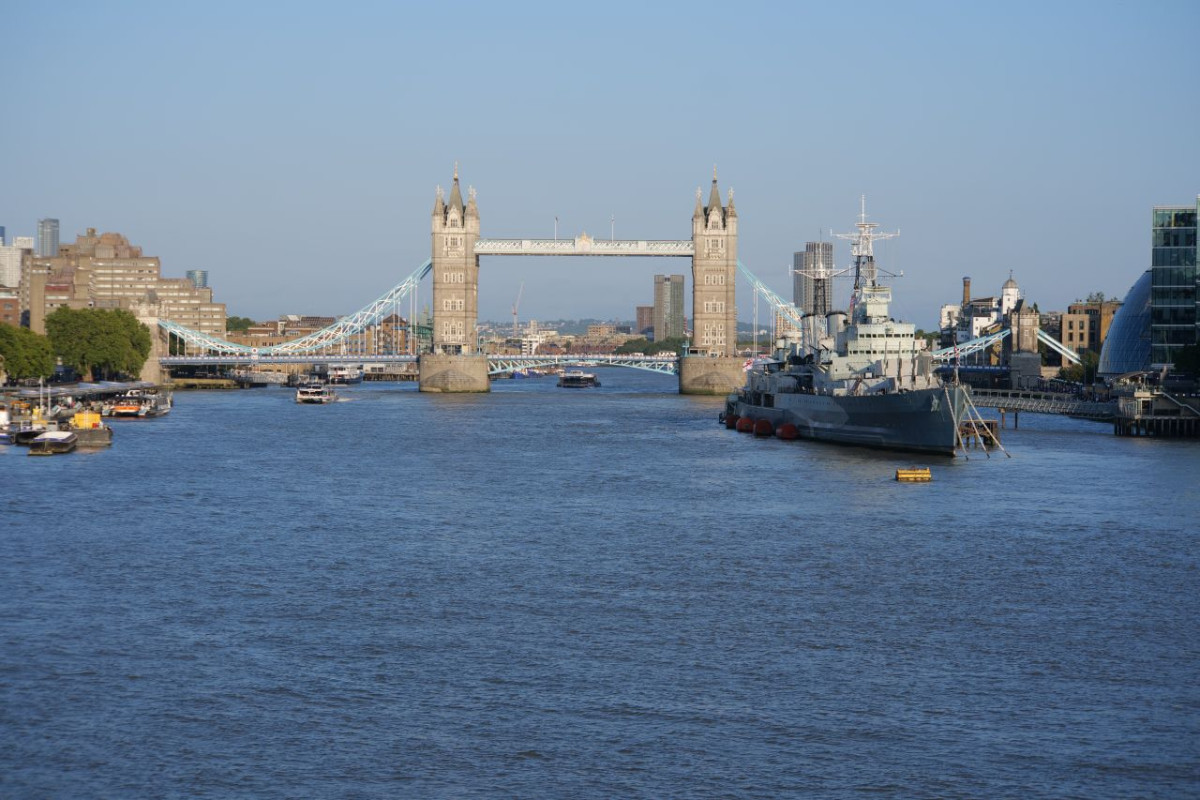
Tower Bridge—an icon that does more than connect two banks of the River Thames. It invites you to slow down, look closer, and feel the city’s confidence in motion. From the moment the towers frame the waterline, the bridge becomes a living landmark: part monument, part engineering triumph, and part stage for unforgettable views.
Whether you’re visiting for the first time or returning with new eyes, Tower Bridge London carries a rare kind of magic. It is beautiful in every season, dramatic in changing light, and always busy with the rhythms of the river. Boats glide beneath it, commuters cross above, and visitors gather on the walkways as if drawn by a shared promise: that this crossing will reveal something surprising about London’s past—and its imagination for the future.
To understand Tower Bridge, you have to understand the moment it was created. The late nineteenth century was a time of rapid change in London. The city’s population surged, industry expanded, and the Thames became even more essential for trade and transport. Yet there was a practical challenge: bridges needed to serve road traffic while still allowing ships to pass. A simple fixed bridge could not meet the demands of a busy port, and a purely movable design would not satisfy the increasing flow of pedestrians and vehicles.
Tower Bridge emerged as an elegant solution—an engineering response that balanced movement with stability. Its design reflects a careful negotiation between two worlds: the land-based bustle of London streets and the river’s maritime life. The result is a structure that can open for tall ships while maintaining a strong, recognizable presence even when closed. In other words, Tower Bridge doesn’t just span the Thames; it orchestrates it.
Engineering elegance in stone and steel
Few landmarks communicate engineering wonder as clearly as Tower Bridge. Its towers rise with a sense of grandeur, while the bridge’s movable sections demonstrate precision and control. The architecture is not merely decorative; it is integrated into the bridge’s function. When you stand close enough to notice the details, you can see how form and purpose were designed to work together.
Walkways, mechanisms, and the bridge’s iconic profile all contribute to an experience that feels both historical and immediate. Tower Bridge is a reminder that innovation can be beautiful—an achievement meant not only to solve a problem, but to elevate the skyline. Over time, it has become a symbol of London’s ability to adapt without losing its identity.
Step onto the glass floors for a thrilling perspective
One of the most memorable ways to experience Tower Bridge is to walk where the structure reveals itself. The glass-floor sections offer a unique vantage point, letting you look down toward the river and streets far below. The effect is exhilarating: you feel the bridge as a dynamic platform rather than a static monument. It’s a moment that turns sightseeing into participation.
As you move along the glass, you can watch the Thames in real time—boats passing, reflections shifting, and the city’s geometry stretching beneath you. Even if you’re not typically drawn to heights, the experience feels safe and thoughtfully curated, turning awe into something you can actually hold. It’s the kind of thrill that lingers long after you’ve left the bridge.
Views that capture London’s energy
Tower Bridge is famous for its panoramas, and for good reason. From the walkways and nearby viewpoints, the city opens up in layers—historic buildings, modern silhouettes, and the river acting as a moving ribbon between them. On a clear day, the horizon feels within reach. On a misty morning, the scene turns cinematic, with the towers and waterline softened into atmosphere.
Photographers and first-time visitors often find themselves pausing more than planned. The bridge offers multiple angles, each with its own story. Look toward the city and you see London’s character in motion; look toward the river and you witness the constant flow that has shaped the city for centuries. Tower Bridge doesn’t simply provide a view—it creates a frame for London’s life.
Inside the towers
Beyond the walkway experience, Tower Bridge London offers a deeper journey into the bridge’s heritage. Inside the towers, visitors can discover how the bridge was built, how it operates, and why it became such an enduring symbol. Exhibitions bring the story to life through informative displays and carefully presented details, helping you connect the visible landmark with the behind-the-scenes mechanics that make it work.
It’s a fascinating shift from “look at the bridge” to “understand the bridge.” You learn how decisions made by engineers and designers shaped what you see today. The experience adds context to every step you take, making the landmark feel less like a snapshot and more like a living system.
A cultural icon beyond the river
Tower Bridge has become part of London’s cultural identity. It appears in films, in photographs, in postcards, and in the collective imagination of travelers who dream of visiting. But its influence isn’t limited to images. The bridge gathers people—tourists, locals, families, photographers, and history lovers—into a shared space where the city’s scale becomes personal.
There’s an inspiring quality to how Tower Bridge welcomes every kind of visitor. It’s accessible to those who simply want to admire a view, and it’s rewarding to those who want to understand the engineering story. It works as a destination and as a starting point, encouraging you to explore nearby landmarks and the wider riverfront.
Tips for planning your visit
To make the most of Tower Bridge, consider arriving a little earlier than you think you need. The experience is popular, and giving yourself time helps you move at a comfortable pace—especially if you want to linger for photos. Check opening hours in advance, particularly if you’re visiting during holidays or special events.
If you’re aiming for the best light, plan around the time of day when the sky is most cooperative. Morning can bring a calm, reflective atmosphere; late afternoon often adds warmth to the river and highlights the bridge’s towers. And if you want the glass-floor moment to feel extra special, choose a time when you can take your time and breathe in the view before stepping forward.
Finally, remember that Tower Bridge is not just something to pass over. Treat it like a destination. Pause, look, and let the bridge show you how London balances tradition and innovation—how it honors the past while continuing to evolve.
Some landmarks endure because they are old. Others endure because they are iconic. Tower Bridge endures for a deeper reason: it represents a confident idea about progress. It was built to solve a real challenge, and it did so with creativity, craftsmanship, and an eye for beauty. Today, it continues to inspire because it invites curiosity. It asks you to look beyond appearances and discover how design, engineering, and history can create something that feels both monumental and intimate.
Standing on Tower Bridge London, you feel the city’s heartbeat in the movement of the Thames and the steady flow of people crossing above. It’s a place where awe becomes a gentle experience—where you can learn, explore, and look at London from a perspective you’ll remember. When the river moves beneath you and the towers frame the skyline, you realize that this bridge is more than a structure. It is London’s spirit, built to be seen.
Tower Bridge