Cutty Sark
Cutty Sark, a legendary tea clipper in Greenwich offering maritime history, river views, and an inspiring visitor experience. A timeless voyage through maritime history.
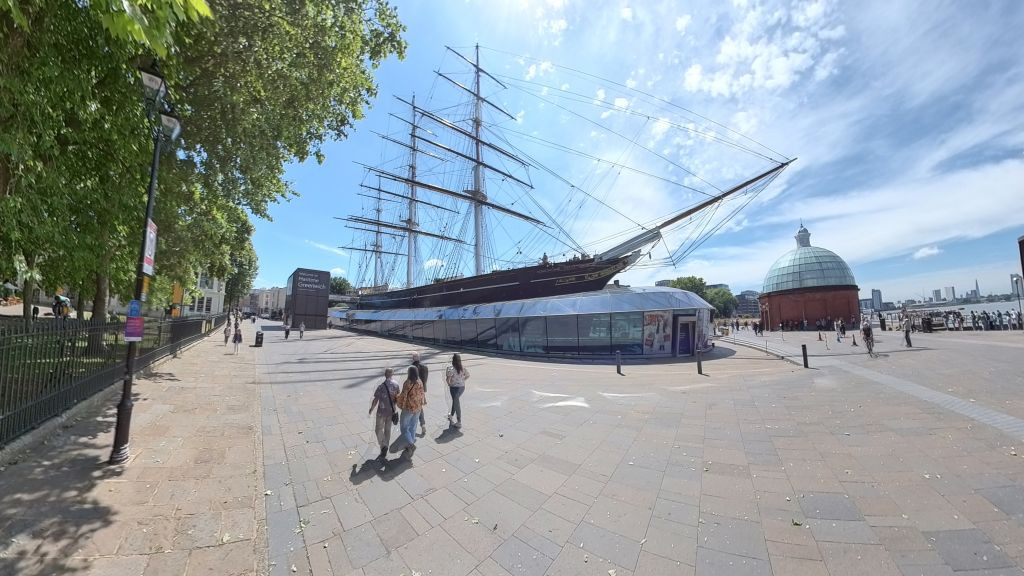
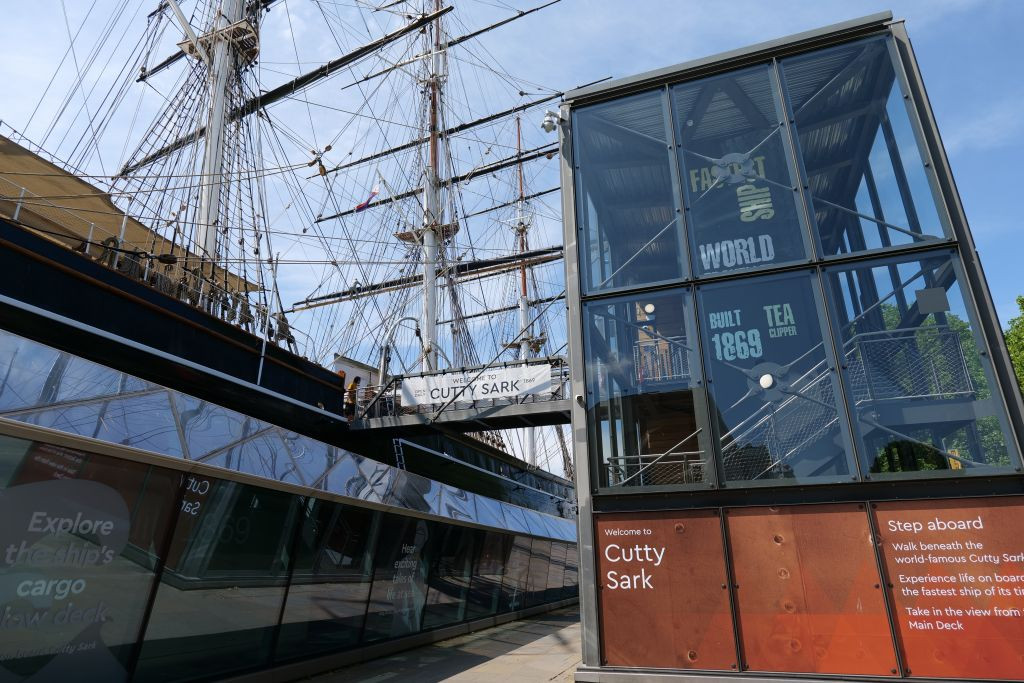
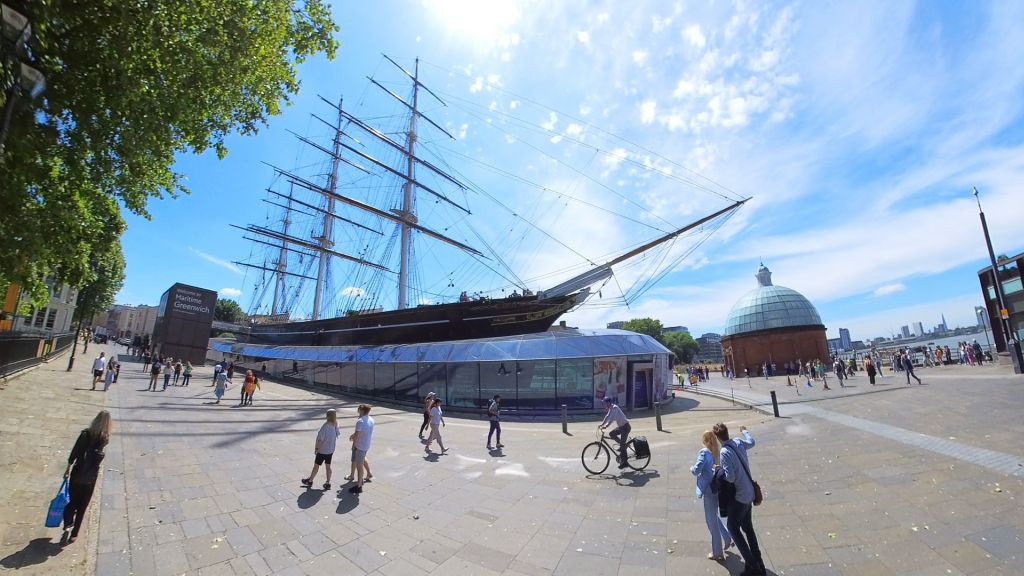
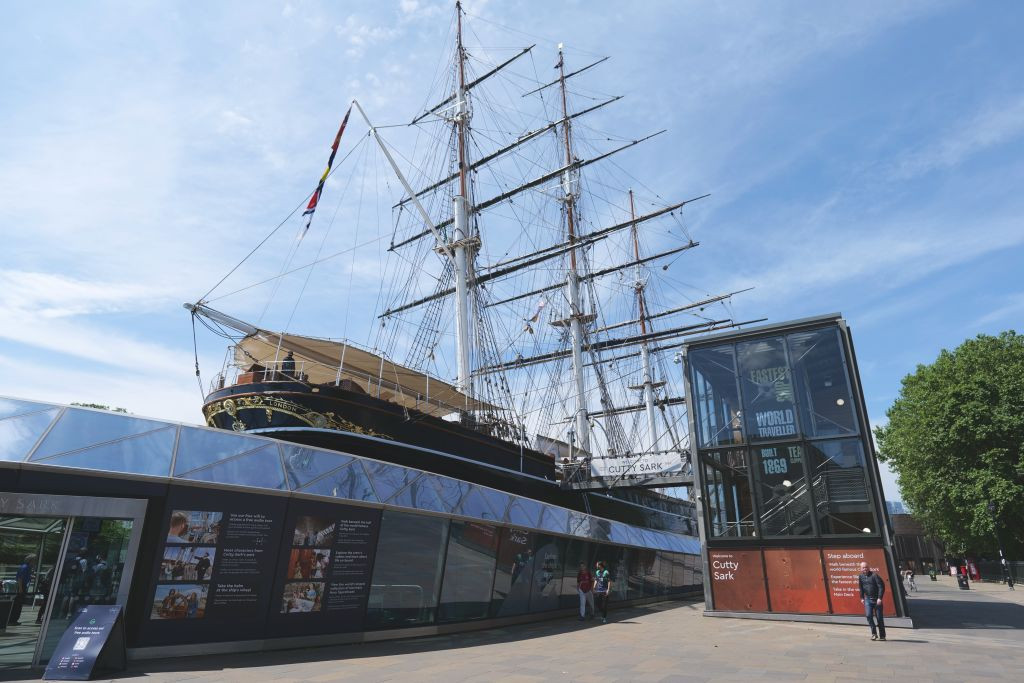
Standing proudly in Greenwich, Cutty Sark is more than a famous old ship. It is a symbol of ambition, craftsmanship, and the restless spirit of global exploration that helped shape London’s identity - and an award-winning visitor attraction. Suspended dramatically above the dry dock where it now rests, this celebrated tea clipper invites visitors to step into a world of ocean races, international trade, and life at sea during the great age of sail. For anyone seeking one of the most memorable historic experiences in the capital, Cutty Sark offers a journey that feels both deeply educational and genuinely uplifting.
Built in 1869 for the China tea trade, Cutty Sark was designed for speed. At a time when the quickest ships could command the best prices for precious cargo, every detail mattered. Its sleek lines, towering masts, and innovative construction made it one of the fastest vessels of its generation. Although steam power would soon transform global shipping, this elegant clipper became a lasting reminder of the final, glorious chapter of commercial sail. Today, seeing the ship in person makes that history tangible in a way no textbook or photograph can fully capture.
One of the most striking aspects of a visit is the chance to walk beneath the ship’s gleaming copper hull. This unique display reveals the beauty of its engineering and instantly creates a sense of awe. Looking upward, visitors can appreciate the scale of the vessel while imagining the power required to carry it across vast oceans. The restoration has been carefully designed to preserve the ship’s authenticity while making the experience accessible, dynamic, and engaging for modern audiences.
A living story of trade, travel, and endurance
Cutty Sark’s story extends far beyond tea. After serving in the tea trade, it later transported wool from Australia, where it achieved some of its greatest successes. It eventually passed through different owners and roles, surviving changing times that left many similar ships lost to history. That survival alone gives the vessel extraordinary significance. It represents not only maritime innovation but also resilience, adaptation, and the enduring value of preserving cultural heritage.
Inside, the ship reveals the human side of seafaring life. Visitors can explore spaces once occupied by officers and crew, gaining insight into the routines, hardships, and hierarchies that shaped life on board. The contrast between the captain’s quarters and the more confined crew areas tells a compelling story about discipline, duty, and endurance. These details bring the vessel to life, reminding us that every historic achievement was powered by real people facing exhaustion, danger, and long months away from home.
The exhibitions combine original features, interpretive displays, and personal stories to create an experience that appeals to both history enthusiasts and casual visitors. Rather than simply presenting dates and facts, the museum atmosphere encourages reflection on the wider forces that connected continents: commerce, weather, competition, empire, migration, and human curiosity. In this way, Cutty Sark becomes not just a preserved ship, but a lens through which to understand the making of the modern world.
Why Cutty Sark remains one of Greenwich’s highlights
Greenwich is rich in landmarks, yet Cutty Sark stands apart because it delivers something rare: the feeling of stepping inside a legend. Its location adds to the appeal. Set near the River Thames and within easy reach of the Royal Observatory, the National Maritime Museum, and Greenwich Market, it fits naturally into a rewarding day out. Visitors can move from the story of navigation and astronomy to the lived reality of ocean travel, all within one historic district.
The surrounding area enhances the experience with its blend of riverside beauty and cultural depth. Arriving by boat is especially atmospheric, allowing the ship’s masts to emerge as part of the Greenwich skyline. Even before entering, the vessel creates a dramatic first impression. Its graceful profile against the open sky captures the romance of the sea and the confidence of Victorian engineering in equal measure.
Families often appreciate the interactive elements that make the ship approachable for younger audiences, while adults are drawn to the craftsmanship and historical significance. This balance is one of Cutty Sark’s greatest strengths. It can be inspiring for children discovering maritime history for the first time, and equally moving for adults reflecting on the global stories embedded in London’s past.
- Historic importance: One of the world’s most famous surviving tea clippers.
- Architectural drama: A rare chance to walk beneath a preserved ship’s hull.
- Prime location: Perfectly placed among Greenwich’s leading attractions.
- Immersive learning: Exhibits that connect technology, trade, and human experience.
- Visual impact: A landmark that is as photogenic as it is meaningful.
What to expect during your visit
A visit to Cutty Sark is both atmospheric and manageable, making it suitable for travelers with limited time as well as those planning a full exploration of Greenwich. The route through the ship is thoughtfully organized, guiding visitors from the dramatic space beneath the hull to the decks and interior areas where the vessel’s story unfolds in greater detail. Along the way, multimedia features and curated displays help explain how the ship operated, what it carried, and why it became so iconic.
Take time to pause on deck. From there, the surroundings reinforce the ship’s connection to London’s maritime life. You can imagine the energy of the docks, the anticipation of cargo arrivals, and the prestige attached to fast voyages. The deck also offers a chance to appreciate the rigging and design that made Cutty Sark so efficient. Even for visitors without a technical interest in ships, the elegance of its form is unmistakable.
To make the most of the experience, consider combining your visit with nearby attractions. A well-planned Greenwich itinerary might include:
- Exploring Cutty Sark in the morning before crowds build.
- Walking to the National Maritime Museum for broader historical context.
- Browsing Greenwich Market for food, crafts, and local character.
- Heading up to the Royal Observatory for panoramic views and the Prime Meridian.
- Ending the day with a riverside stroll or Thames boat journey back into central London.
This combination creates a rich and inspiring day that blends history, science, architecture, and scenic beauty. Few parts of London offer such a concentrated sense of discovery.
An inspiring encounter with London’s seafaring soul
What makes Cutty Sark truly special is its emotional resonance. It speaks to determination, innovation, and the human desire to go farther and faster than ever before. In an age dominated by digital speed, this great sailing ship reminds us of another kind of progress, one built on wind, skill, and courage. Its preservation allows visitors to stand close to a masterpiece of design while also contemplating the broader currents of history that carried goods, ideas, and people across the globe.
For first-time visitors to London, Cutty Sark offers a distinctive alternative to the city’s more predictable highlights. For returning travelers, it provides a deeper, more reflective experience that reveals how profoundly the Thames and maritime trade influenced Britain’s capital. Whether you are drawn by history, photography, family activities, or simple curiosity, the ship rewards attention with layers of meaning and beauty.
Cutty Sark is not merely a relic from the past. It is a vivid reminder that great cities are shaped by movement, exchange, and imagination. In Greenwich, beneath the ship’s soaring frame and along its weathered decks, those forces still feel alive. A visit here leaves many people with the same impression: that London’s story is at its most inspiring when told through the vessels that once connected it to the wider world.
Cutty Sark