Visit the Charles Dickens Museum
Step into Charles Dickens’ London home. Discover manuscripts, personal treasures, and the world that shaped his timeless novels.
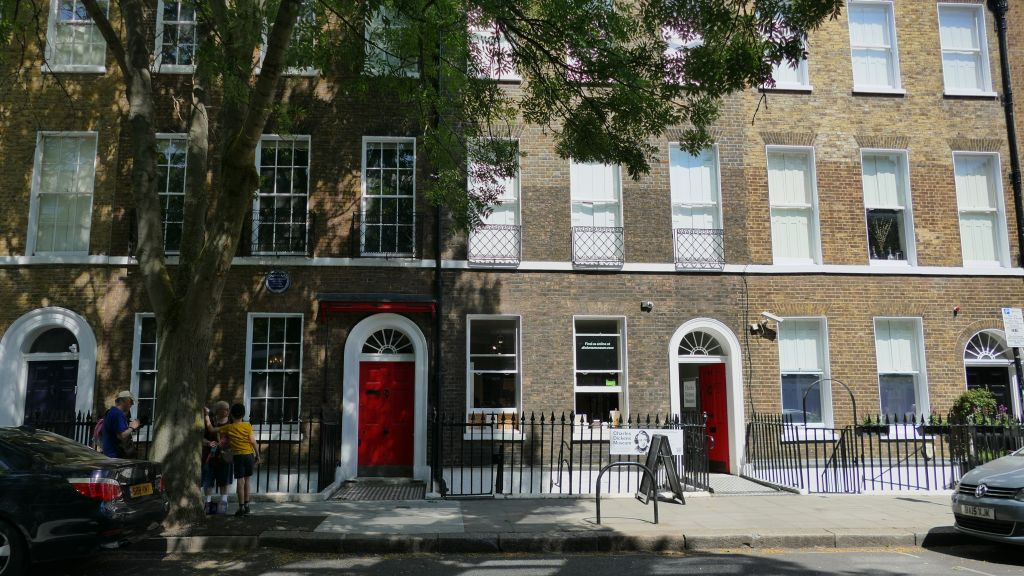
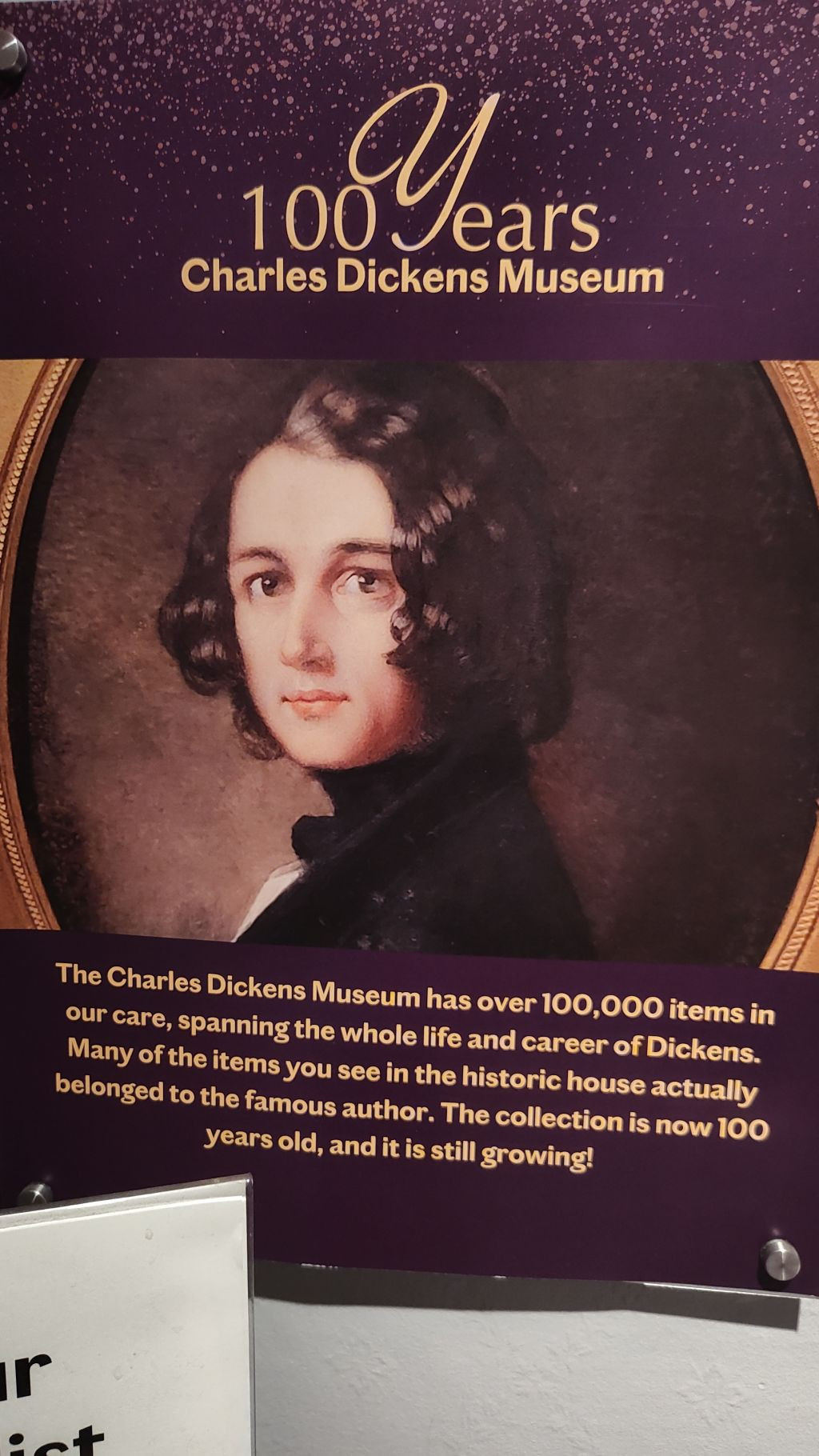
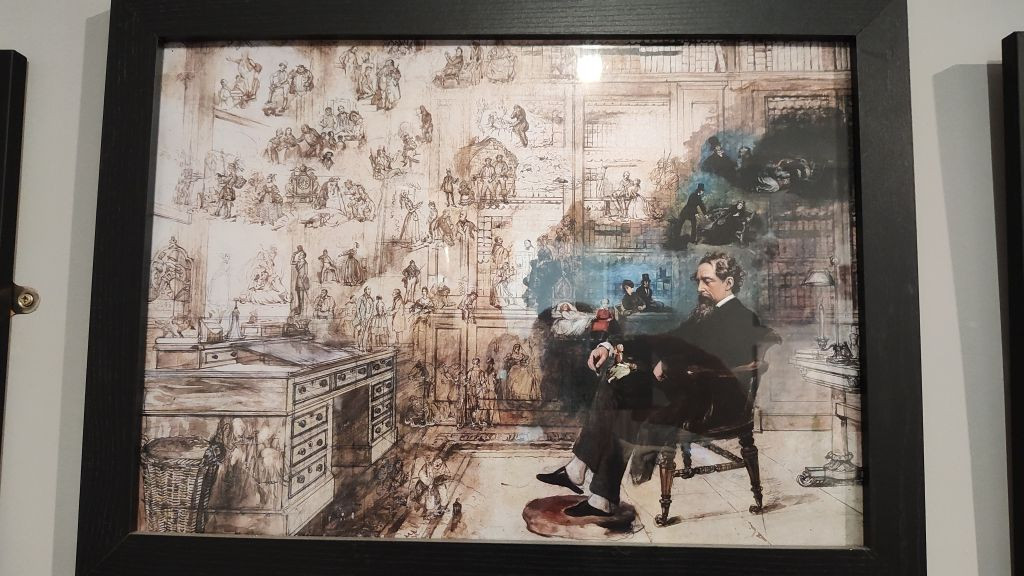


Charles Dickens Museum offers something rare: a living encounter with the imagination of one of the English language’s greatest storytellers. This intimate museum is not merely a place to look at artifacts—it is a place to feel how a voice becomes a world. Walk through the rooms where Dickens worked, read, and dreamed, and you’ll begin to understand how his characters gained their remarkable momentum: from everyday streets, from social observation, from moral conviction, and from the steady craft of writing.
The museum’s power lies in its closeness. Unlike grand monuments that stand at a distance, this is a home that invites you to lean in. It preserves the atmosphere of Victorian London—its contradictions, its energy, and its urgent humanity. As you explore, you’ll notice how the smallest details can carry the greatest meanings: the rhythm of a writing desk, the hush of a study, the presence of personal belongings that once belonged to a working mind. Each room gently reinforces the idea that literature is not only made in libraries, but in lived moments.
A writer’s home, a writer’s workshop
The Charles Dickens Museum is housed in a building closely associated with Dickens and his life in London. Here, the boundary between biography and storytelling softens. You don’t just learn about Dickens—you sense his routine, his habits, and the way his thinking shaped itself on the page. The museum highlights how his writing process was both disciplined and intensely responsive to the world around him. Dickens was a careful observer, and his genius was to transform observation into narrative momentum that still grips readers today.
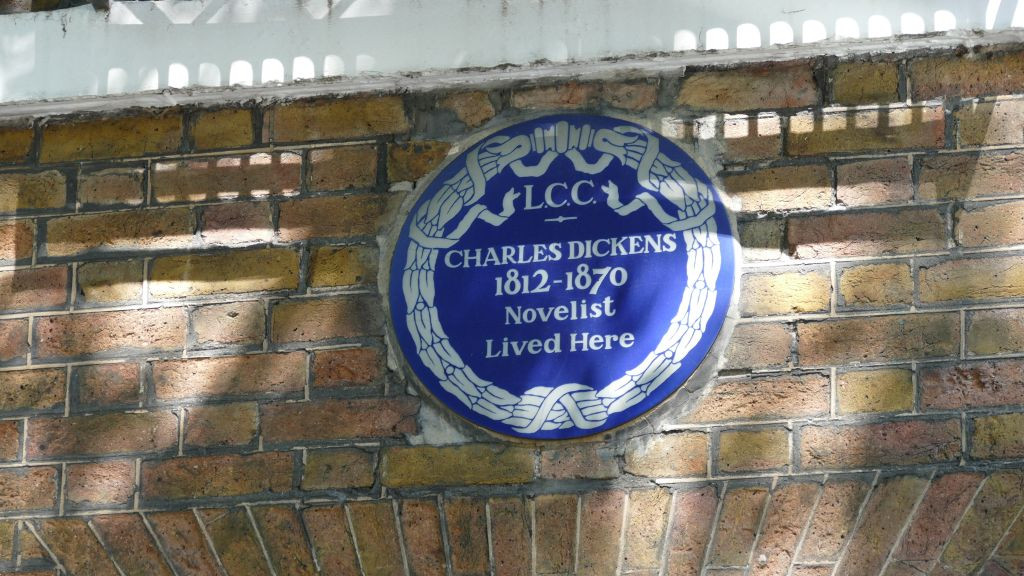
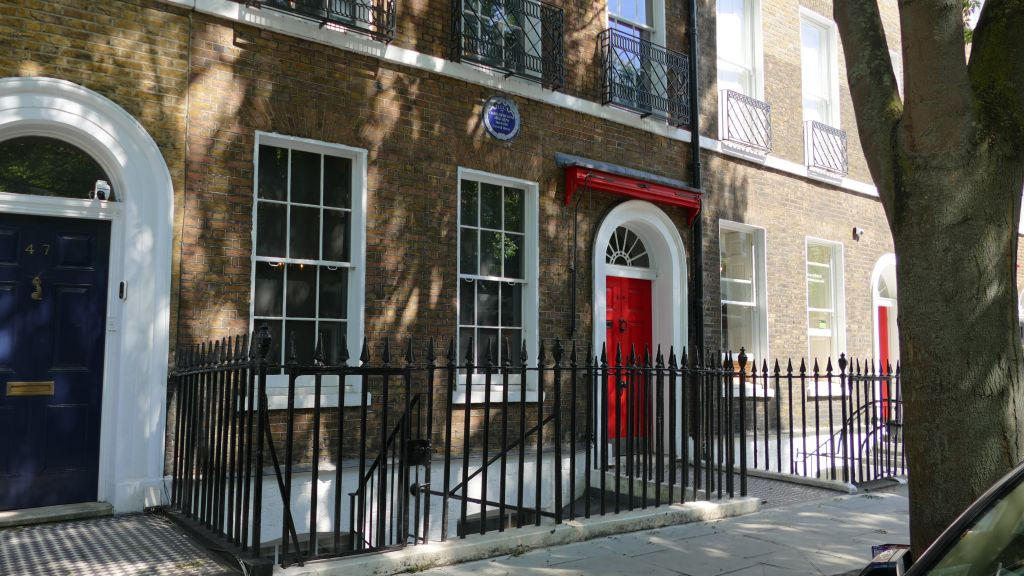
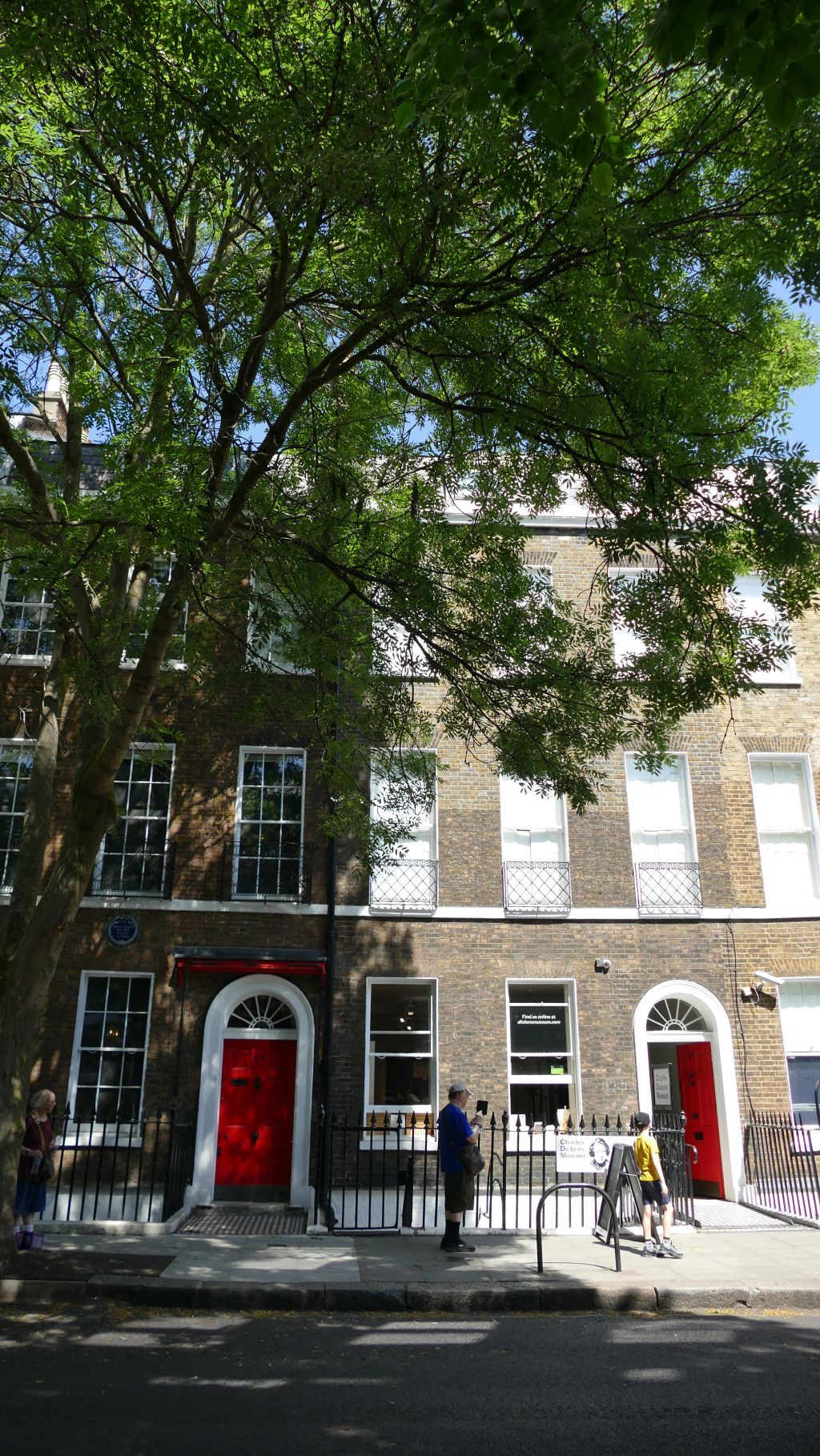
This unspoilt Regency house is the only surviving residence of the world-famous novelist, Charles Dickens. A museum since 1925, it was here that Dickens' reputation began to grow and here that he worked upon Pickwick Papers, Oliver Twist, Nicholas Nickelby, and Barnaby Rudge, as well as the last installments of Pickwick Papers. These were all works that assured his fame.
Much of Dickens' life can be imagined here, helped by letters, manuscripts, paintings, photographs, first editions, and some of his own furniture. In addition, the house is the home of the Dickens Fellowship and its journal, The Dickensian, first issued in 1905.
As you move through the displays, you may find yourself pausing longer than expected. That’s part of the experience. Manuscripts and original materials reveal the true texture of creation: not only finished brilliance, but revisions, decisions, and the slow forging of character and plot. Seeing the writer’s work in progress restores a valuable perspective. Great literature is not magic from nowhere—it is effort, imagination, and the courage to revise until the story tells the truth as powerfully as possible.
Manuscripts and treasures that illuminate the craft
Dickens’ manuscripts are among the most compelling reasons to visit. They show the mind at work—how language tightens, how scenes gain clarity, how emotion is shaped into form. It’s one thing to read a novel; it is another to witness the pathways that lead to its final shape. The museum’s collection helps you appreciate the artistry behind the artistry: the balance of entertainment and conscience, the precision of dialogue, and the vividness of settings that feel both specific and universal.
Alongside manuscripts, the museum presents personal items and contextual pieces that deepen your understanding of Dickens as a person, not simply a name on a spine. These objects create a kind of dialogue across time. They remind you that the author behind the famous works also lived with the daily realities of a busy life—correspondence, reading, writing, and the ongoing responsibility of engaging with the public conversation of his era.
For readers, students, and lifelong admirers, this is where curiosity becomes insight. You begin to see how Dickens built his stories from the materials of life: street scenes, overheard conversations, social tensions, and the human complexity he refused to simplify. The museum doesn’t ask you to admire from afar; it invites you to connect with the mechanisms of storytelling.
Victorian London, through Dickens’ eyes
To step into the Charles Dickens Museum is to step into Victorian London’s emotional weather. Dickens lived in a period of dramatic change—industrial growth, shifting class structures, and reform movements that challenged society to look at itself honestly. His novels often feel like mirrors held up to real people, revealing both tenderness and injustice. The museum’s atmosphere encourages you to think about how a writer can be both witness and advocate.
You may find that your visit expands beyond Dickens’ personal history into the wider world his stories represent. The settings, the social concerns, and the moral questions that appear across his work become easier to recognize when you’re surrounded by the context of his life. The museum helps you understand why his characters still resonate: they are shaped by empathy, sharpened by observation, and propelled by a belief that storytelling can influence how society sees.
There is also a sense of continuity. Dickens’ London may be long gone, yet the themes he explored—belonging, resilience, injustice, and hope—remain familiar. The museum offers an inspirational reminder that literature endures because it speaks to recurring human truths.
What to look for during your visit
To make the most of your time at the Charles Dickens Museum, consider focusing on a few key experiences that bring the collection to life. Whether you come for a first encounter or a return visit, these moments tend to deepen appreciation quickly:
- Manuscript displays: Look for how ideas evolve—where sentences become scenes, and where revisions shape tone.
- Personal artifacts: Notice how everyday objects help you imagine Dickens’ daily rhythm and creative environment.
- Contextual storytelling: Read the interpretive materials that connect the museum’s items to the novels and themes you already know.
- Room atmosphere: Take a slower pace. The setting itself contributes to the understanding of Dickens’ working life.
Even if you’re not an expert, the museum is designed to welcome you. Its exhibits guide you toward meaningful connections, turning knowledge into a feeling you can carry with you long after you leave.
Inspiration for readers, families, and curious travellers
The Charles Dickens Museum has a special kind of accessibility. It speaks to readers who love the novels, but it also welcomes those who want to discover Dickens for the first time. For families, it can feel like stepping into a storybook where the ink has not yet dried. For students, it offers a vivid bridge between classroom study and lived creative practice. For travelers, it provides a quieter, more personal alternative to the usual rush of London sightseeing—an experience that rewards attention and invites reflection.
After your visit, you may find yourself returning to Dickens’ works with fresh eyes. A passage you once read for plot may suddenly feel richer in meaning. A character’s voice may seem more deliberate. A social theme may appear more grounded in the realities Dickens encountered. That is the museum’s enduring gift: it helps you read with deeper awareness.
If you’re looking for a destination that combines cultural heritage, creative insight, and heartfelt inspiration, the Charles Dickens Museum in London is a remarkable choice. Here, the past is not distant—it is close enough to touch through manuscripts, rooms, and stories. And as you walk out into the modern city, you’ll carry with you the sense that imagination is not only an escape, but a way of understanding the world and insisting that every human life deserves to be seen.
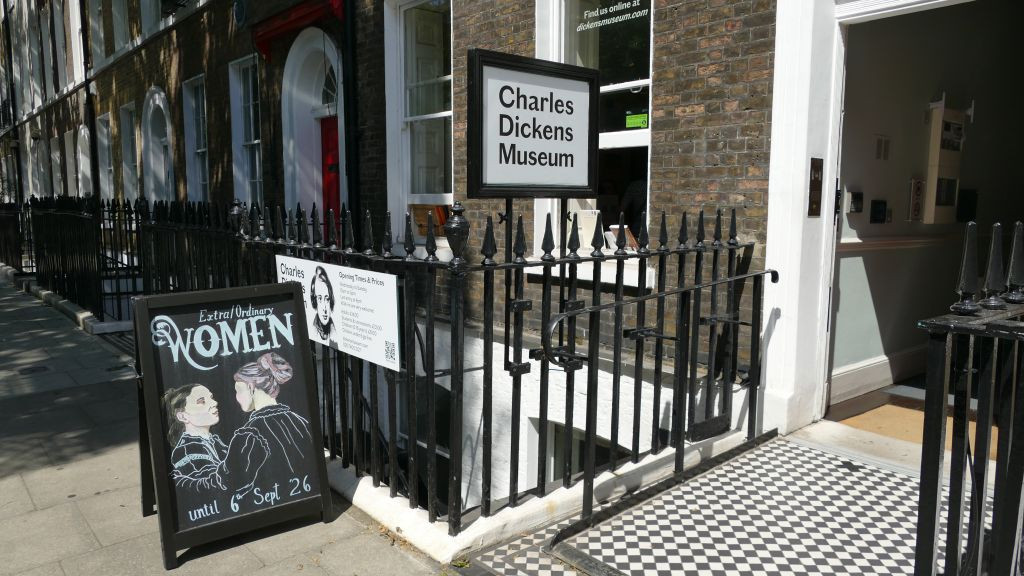
Charles Dickens Museum
48-49 Doughty Street,
London, WC1N 2LX