Christ Church Spitalfields
Discover Christ Church, Spitalfields—its Georgian roots, architectural character, parish life, and why this London church still matters.
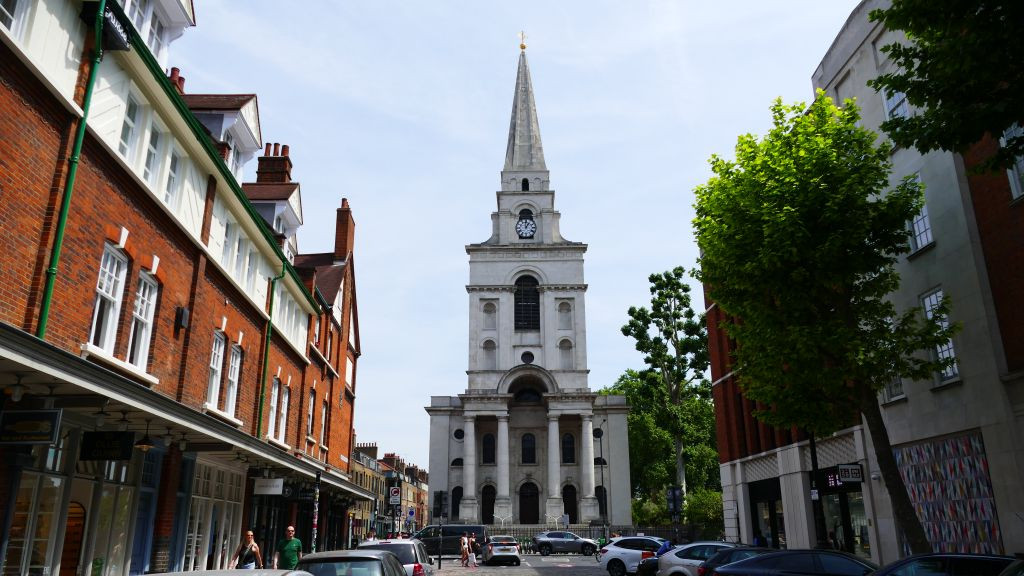
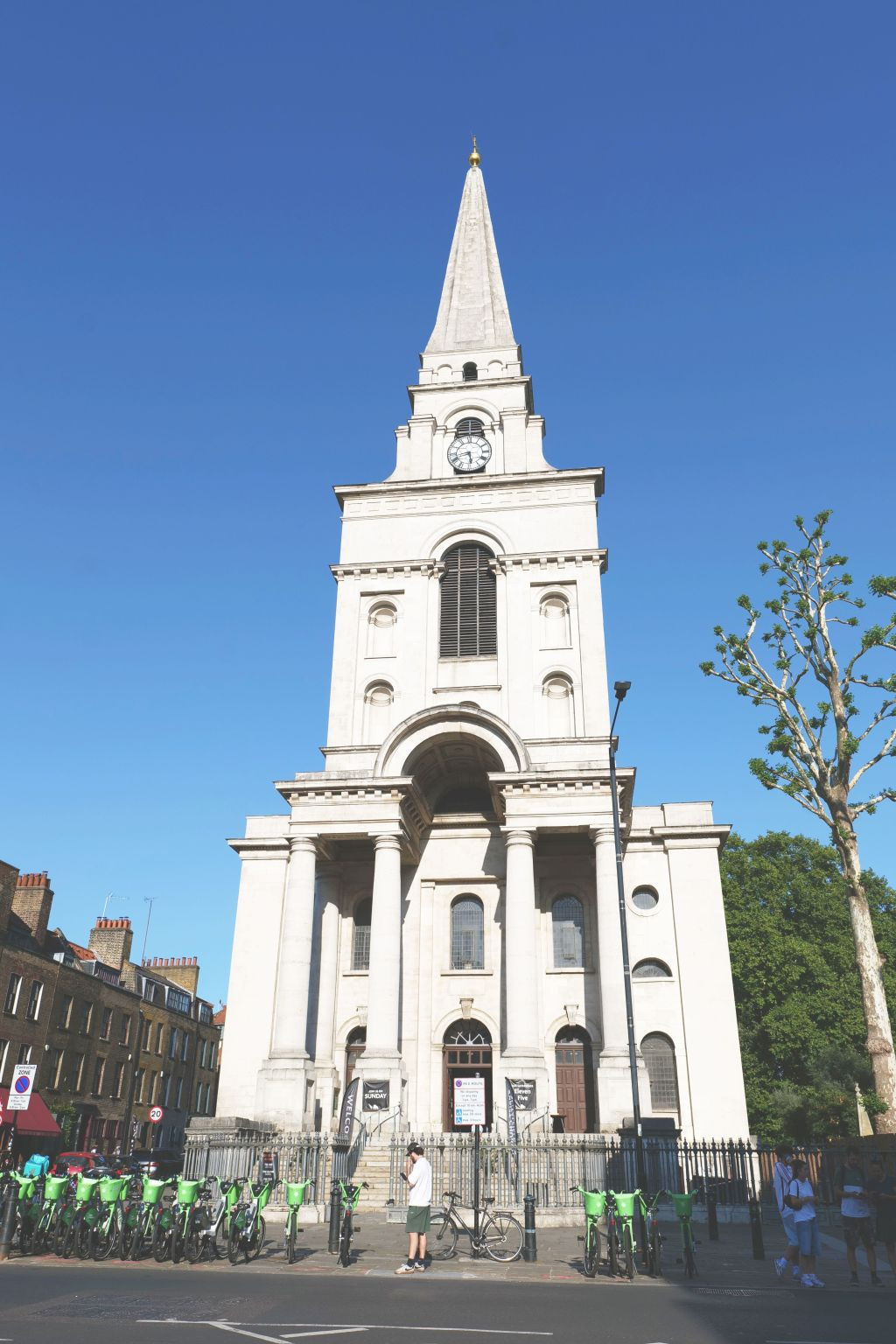
A spirital home in the heart of East London
In Spitalfields, London, Christ Church stands as a visible marker of faith, local history, and the long evolution of a neighbourhood shaped by trade, migration, and change. More than a place for worship, the church offers a sense of continuity: a building that has witnessed different eras of urban life while remaining rooted in the everyday rhythm of a parish.
Spitalfields itself has long been associated with craft and commerce, from early markets and workshops to later waves of settlement and reinvention. Against this backdrop, Christ Church emerged to serve a growing community and to provide a spiritual home that could respond to local needs. The story of the church is therefore inseparable from the wider story of the area—its shifting population, its cultural mix, and its enduring capacity to adapt.
Origins and parish purpose
Christ Church’s establishment reflects a common pattern in London church history: as neighbourhoods expanded and densities increased, congregations sought dedicated spaces for worship, pastoral care, and community gathering. In Spitalfields, where daily life could be demanding and irregular, the church’s role extended beyond services. It became a point of reference for families, a venue for rites of passage, and a place where people could find support and structure.
Over time, the parish developed a distinct identity shaped by the realities of an inner-city area. The church’s commitment to worship and community work helped it remain relevant as social expectations changed—particularly through periods when London’s streets were transformed by redevelopment, economic shifts, and demographic movement. In this sense, Christ Church can be understood as both a historic landmark and an active institution.
Architecture and character
One of the most compelling reasons to visit Christ Church, Spitalfields, is its architectural character. The building communicates its era through form, proportion, and the restrained confidence typical of church design in Georgian-influenced London. Its exterior presence offers a sense of steadiness within a street pattern that has evolved dramatically over generations. Inside, the atmosphere supports a focus on worship, with spaces arranged to guide attention toward the central elements of the service.
Architectural features in a church like this often serve both practical and symbolic purposes. Materials and detailing contribute to a durable sense of permanence, while the interior layout encourages congregational participation—whether for regular services, seasonal celebrations, or special occasions. For visitors, the building can feel like a window into the way earlier Londoners imagined sacred space: ordered, legible, and designed to hold communal life together.
Worship, music, and seasonal life
As a working parish church, Christ Church continues to provide a steady programme of worship. Services offer opportunities for prayer, reflection, and communal celebration, with liturgical rhythms that mark the year. Seasonal events help the church remain visible and meaningful not only to regular members, but also to those who encounter the church during key moments in the Christian calendar.
Church life in London is often enriched by music, and Christ Church’s services reflect the wider tradition of Anglican worship where hymnody and choral elements can shape the character of a service. Even when a visitor attends for the first time, the atmosphere typically communicates welcome: a blend of reverence and community belonging. For locals, these services provide a familiar anchor—an opportunity to mark time, share in faith, and sustain relationships across generations.
Community engagement in a changing neighbourhood
Spitalfields has never been static. The area’s character reflects migration, shifting employment patterns, and the ongoing pressures and opportunities of inner-city living. In such contexts, parish churches often become practical partners in community wellbeing. Christ Church’s presence supports this wider role through pastoral care, outreach, and events that encourage participation beyond the Sunday service.
Community engagement can take many forms: welcoming newcomers, supporting families, offering spaces for learning, and creating opportunities for conversation and mutual assistance. In a neighbourhood where people may arrive from different backgrounds and languages, the church’s inclusive approach can help foster social connection. The aim is not only to serve members of the congregation, but also to contribute to the wider civic fabric of Spitalfields.
For those interested in the lived experience of the area, visiting Christ Church can be a way to understand how faith communities interact with urban life. A church is both a sanctuary and a social institution, and in an area like Spitalfields—where culture and commerce intersect—its role can be especially visible.
A place for rites of passage
Beyond weekly worship, churches often hold special meaning through rites of passage. Christ Church has likely welcomed families for baptisms, confirmations, weddings, and funerals, each occasion carrying its own emotional weight. These moments connect personal stories to a shared community setting, reinforcing the sense that the church is part of the neighbourhood’s memory.
For many people, attending a church event is also about continuity—returning to a familiar place that holds significance even as the surrounding streets change. The church’s ability to welcome these milestones helps maintain a thread between past and present, offering stability during periods of transition.
Visiting Christ Church, Spitalfields
If you are planning a visit, it helps to approach the church with a sense of both curiosity and respect. Historic churches reward mindful attention: notice how the building’s proportions shape the interior experience, and observe how the congregation’s presence brings the space to life. Even brief visits can offer a strong sense of place, especially in London where many buildings are designed for speed and movement rather than reflection.
For travellers and local residents alike, Christ Church is also an accessible way to engage with Spitalfields’ broader story. The church sits within a district known for its markets, cultural venues, and evolving streetscapes. Pairing a visit with time in the surrounding area can help you see how the sacred and the everyday coexist.
Preserving heritage while serving today
Historic churches face a dual responsibility: preserving architectural and cultural heritage while continuing to meet contemporary needs. The value of Christ Church lies precisely in this balance. Its historic identity gives it depth, while its ongoing parish life ensures that it remains more than a monument. In many respects, the church’s continued use is the best form of preservation—keeping the building active, cared for, and connected to living faith.
Heritage preservation also depends on community involvement. When people attend services, participate in events, and support the church’s work, they help sustain the conditions that allow the building to endure. This collective effort keeps Christ Church relevant, ensuring that the church remains a destination for worship, a landmark for history, and a resource for the neighbourhood.
Christ Church, Spitalfields, is therefore best understood as a meeting point: between architectural tradition and modern parish life, between personal faith journeys and communal belonging, and between the long history of London and the ongoing story of Spitalfields. Whether you come for worship, for heritage, or simply to learn more about the area’s character, the church offers an experience rooted in both meaning and place.
Christ Church Spitalfields