National Maritime Museum
Discover the National Maritime Museum in London—iconic galleries, maritime history, and inspiring stories of exploration, trade, and discovery.
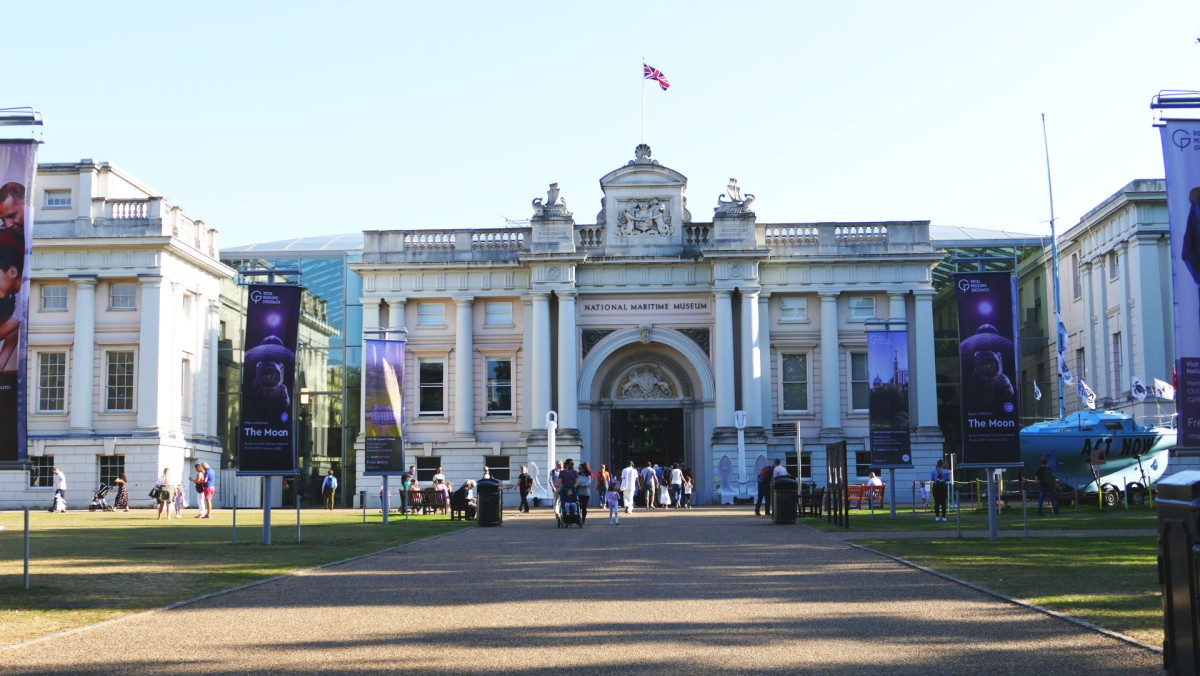


Step into the National Maritime Museum in London and you’ll feel it immediately: the pull of the sea, the weight of history, and the thrill of discovery. This is more than a museum of ships and maps—it’s a living archive of human ambition, engineering brilliance, and daring voyages that shaped global trade, culture, and governance. Whether you’re drawn by the romance of the Age of Sail or by the precision of navigation and naval technology, the museum offers an inspiring journey through the oceans’ most influential stories.
From the moment you begin exploring, the museum’s collections invite you to look closer—at instruments that once guided fragile wooden vessels across vast distances, at objects crafted with skill and purpose, and at records that reveal how the sea connected distant shores. The National Maritime Museum London is designed to help you see maritime history as a dynamic force: it influenced economies and empires, transformed societies, and propelled scientific understanding forward.
Why maritime history still matters
Maritime history is often described as the story of travel. But at its heart, it’s also about communication, logistics, innovation, and survival. Every voyage depended on careful planning and reliable technology—charts, compasses, rigging knowledge, shipbuilding methods, and weather awareness. The museum brings these elements together, showing how progress at sea translated into progress on land.
As you move through its galleries, you begin to understand that the oceans were never empty. They were routes for ideas as much as for goods. Sailors carried knowledge across continents; ports became hubs where languages, materials, and technologies blended. The museum’s displays encourage you to think beyond a single timeline and instead consider how maritime connections shaped the modern world.
Iconic collections and the thrill of discovery
One of the museum’s greatest strengths is the way it turns artifacts into narratives. Nautical objects are presented not as isolated items, but as pieces of a larger story—each one pointing to a journey, a mission, a challenge, or a triumph. You’ll encounter the craftsmanship of shipbuilders, the ingenuity of navigators, and the practical elegance of instruments designed for accuracy under pressure.
Look closely and you’ll find details that spark curiosity: the careful markings on navigation tools, the design choices that improved performance, and the artistry that accompanied documentation and cartography. Maps, models, and historical documents help you imagine the thinking behind each route—how sailors assessed risk, interpreted conditions, and relied on skill as much as luck.
The museum also highlights the human dimension of maritime exploration. Behind every vessel is a crew with hopes, fears, and responsibilities. By presenting personal and institutional histories side by side, the museum connects global events to real lives—making the past feel immediate rather than distant.
Age of Sail: engineering, adventure, and global reach
The Age of Sail stands out as a period of extraordinary transformation, and the National Maritime Museum London captures its energy. This era wasn’t simply about bigger ships or faster travel—it was about mastering complex systems: sails, hulls, rigging, and the physics of wind and water. Ship design evolved to meet new demands, from long-distance trade to naval power and exploration.
As you explore, consider how the ocean shaped decisions. A route could mean opportunity, influence, and survival. Ports offered markets and resources, but they also demanded diplomacy, discipline, and resilience. The museum’s presentations help you appreciate how maritime capability became a form of national strategy—while also recognizing the trade-offs and consequences that followed.
For many visitors, the most memorable moments come from seeing how knowledge was built and shared. Instruments and techniques that improved navigation also expanded what people believed was possible. The sea became a classroom, and every voyage added to the collective understanding of currents, weather patterns, and geography.
Naval exploration and the science of navigation
Maritime exploration is often celebrated for bravery, but it also depended on science. Navigation required observation and calculation, and the museum’s focus on nautical artifacts underscores how measurement and method enabled longer, safer journeys. Charts and instruments reveal how accuracy was pursued—sometimes through iterative improvements, sometimes through bold leaps in technology and training.
You’ll see how navigation transformed from a craft rooted in experience into a discipline supported by increasingly sophisticated tools. This evolution didn’t happen overnight; it grew through experimentation, collaboration, and the constant pressure of real-world conditions. The museum’s approach helps you connect the dots between the tools on display and the routes they made possible.
Beyond navigation, maritime history also reflects broader scientific curiosity. Exploration expanded geographic knowledge, influenced mapping standards, and encouraged studies of marine environments. The museum invites you to see the ocean as both a frontier and a source of data—one that challenged explorers to learn quickly and adapt constantly.
Trade, empire, and the complex legacy of the sea
To understand maritime history fully, it’s essential to recognize its complexity. The sea enabled commerce and cultural exchange, but it also supported systems of power that brought hardship and inequality. The National Maritime Museum London offers a balanced perspective, encouraging reflection on how maritime networks shaped societies—economically, politically, and socially.
As you explore themes related to trade and naval expansion, you may find yourself thinking about the costs of connectivity. Goods moved, but so did people under unequal circumstances. Ideas traveled, but so did conflict. The museum’s storytelling helps visitors hold multiple truths at once: admiration for innovation alongside awareness of the human consequences that accompanied it.
This thoughtful approach makes the museum feel relevant. It doesn’t ask you to simply admire the past; it asks you to learn from it—understanding how decisions at sea echo through time and influence the world we inhabit today.
Plan your visit for maximum inspiration
To get the most from your time at the museum, consider your pace and curiosity. If you’re drawn to the engineering side of maritime history, focus on galleries featuring navigation tools, ship-related artifacts, and displays that explain how vessels were built and operated. If you prefer the adventure narrative, spend extra time with maps, models, and historical accounts that emphasize voyages and the challenges of exploration.
For families and first-time visitors, the museum’s atmosphere is welcoming and engaging. The collections naturally spark questions, and the scale of the displays makes it easy to discover something new even on a second visit. If you’re a returning visitor, you can treat the museum like a personal research journey—revisiting themes, comparing eras, and noticing how different parts of the collection connect.
Take time to pause. Maritime history is vast, and the museum’s strength lies in its ability to make that vastness feel navigable. Each gallery is a different horizon—inviting you to reflect on the sea’s role as a pathway for progress, a stage for conflict, and a mirror of human ambition.
A voyage through memory and imagination
The National Maritime Museum London ultimately leaves you with a powerful feeling: the sense that the oceans are not just places on a map, but forces that shape lives, societies, and futures. Here, nautical artifacts become windows into the minds of explorers and the hands of craftsmen. Here, maritime history becomes a story of ingenuity and endurance—of people who faced uncertainty with skill, courage, and determination.
Whether your visit is sparked by curiosity, education, or sheer wonder, the museum offers a journey that stays with you long after you’ve stepped back onto London’s streets. It’s a place where the past sails into the present, and where every discovery encourages you to look farther—toward the next horizon.
Top must-see attractions at the National Maritime Museum:
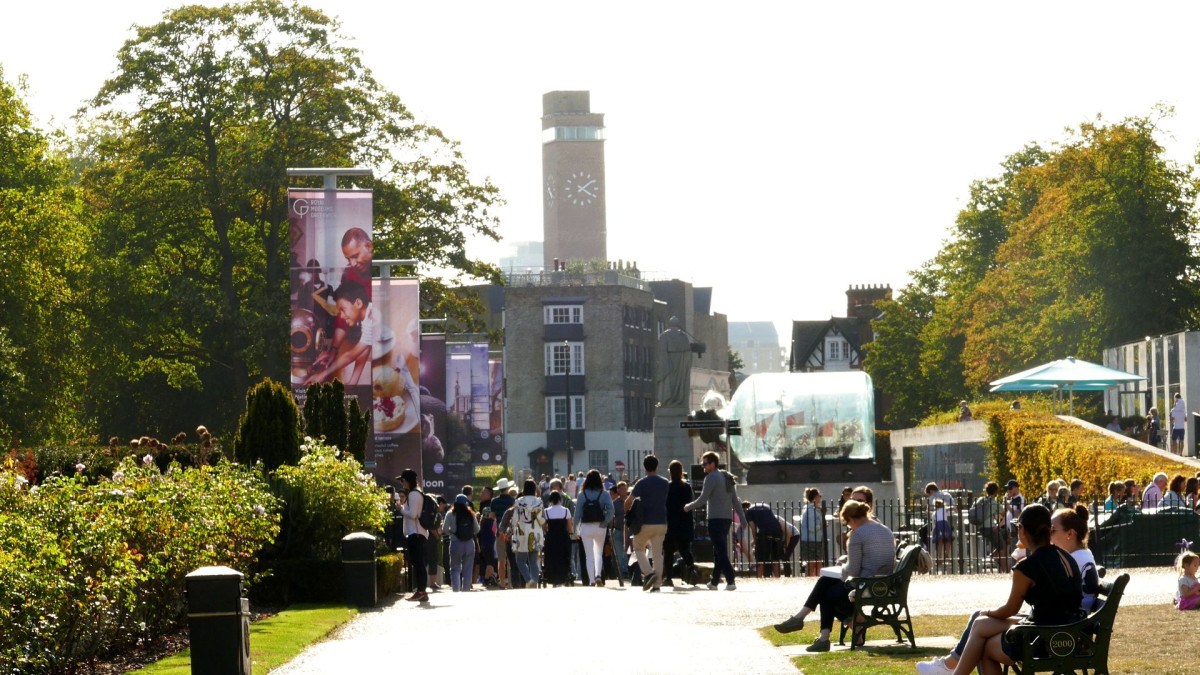
- Grab a selfie at Nelson’s ship in a bottle, Yinka Shonibare’s replica of Nelson’s HMS Victory – one of the most photographed artworks in London!
- Four new galleries – Pacific Exploration, Polar Worlds, Tudor and Stuart Seafarers, and Sea Things exhibit 1,000 more objects from our collections.
- Find out what made J.M.W. Turner’s largest painting so controversial in the Battle of Trafalgar gallery.
- Get up close to the actual uniform Admiral Nelson was wearing when he was fatally wounded at the Battle of Trafalgar in the Nelson Navy, National Gallery.
- Explore Britain’s maritime trade with Asia, focusing on the incredible story of the East India Company.
- See an opium pipe, a tea chest, and a miniature Chinese garden in the Traders gallery.
- Discover how life on the River Thames has evolved in the past 300 years in the Maritime London gallery.
- Traverse The Great Map – the Museum’s largest open space is brought to life with a huge interactive world map.
- Uncover the story of the largest surface sea battle through objects and accounts from both sides in the Jutland 1916 gallery.
Additional text: Royal Museums Greenwich Press Office
National Maritime Museum tickets
Free entry
National Maritime Museum