Big Ben
Discover Big Ben’s history, iconic clock chimes, restoration, and visitor tips—plus why this London landmark still inspires the world.
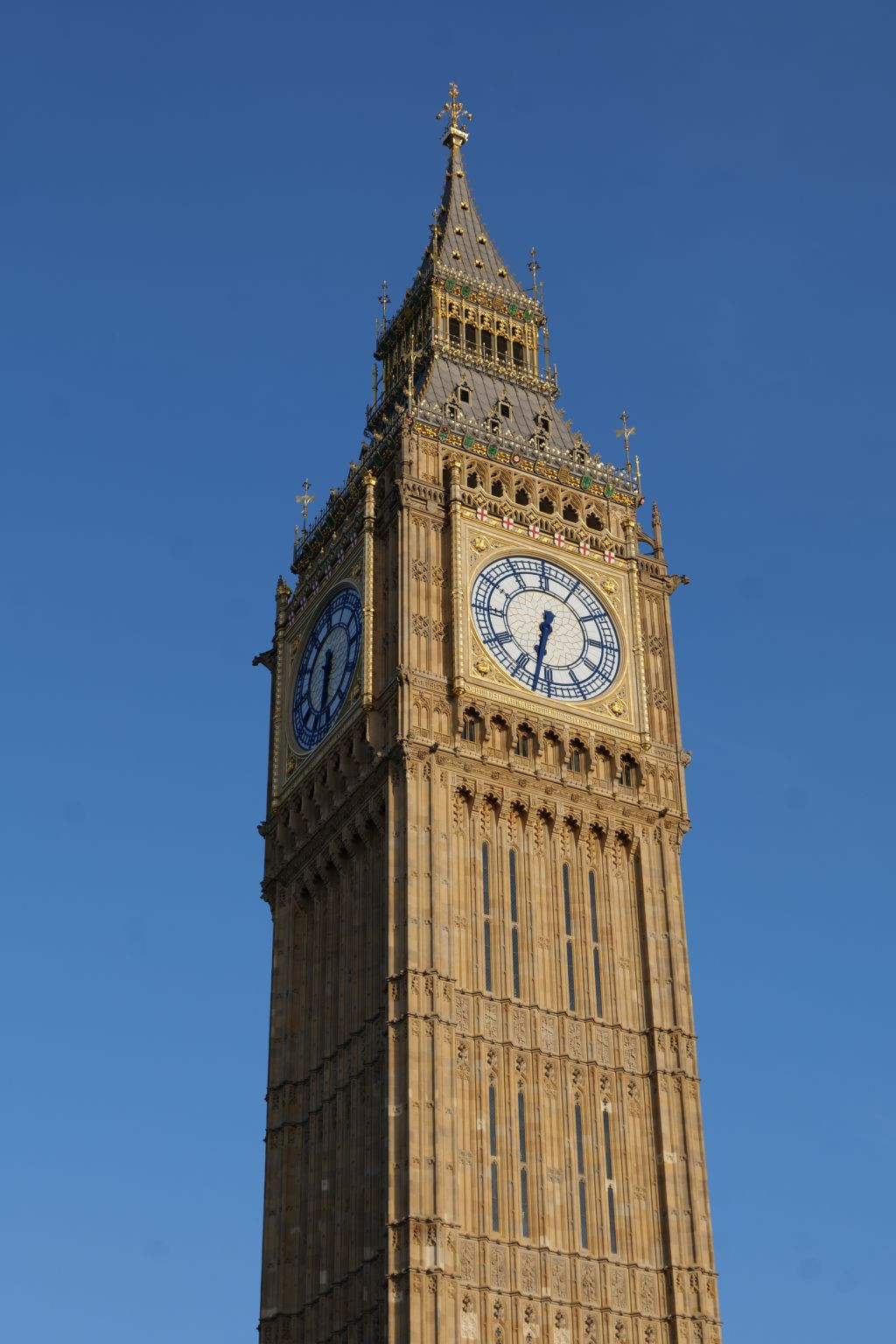



Stand in the heart of London and you’ll feel it immediately: a sense of time made visible. Big Ben—officially the Great Bell of the clock at the Elizabeth Tower—has become more than a landmark. It is a living symbol of endurance, craftsmanship, and the steady rhythm of a city that never stops moving. From its thunderous chime to the meticulous engineering behind its face, Big Ben invites visitors not only to look up, but to listen, learn, and imagine the centuries that shaped it.
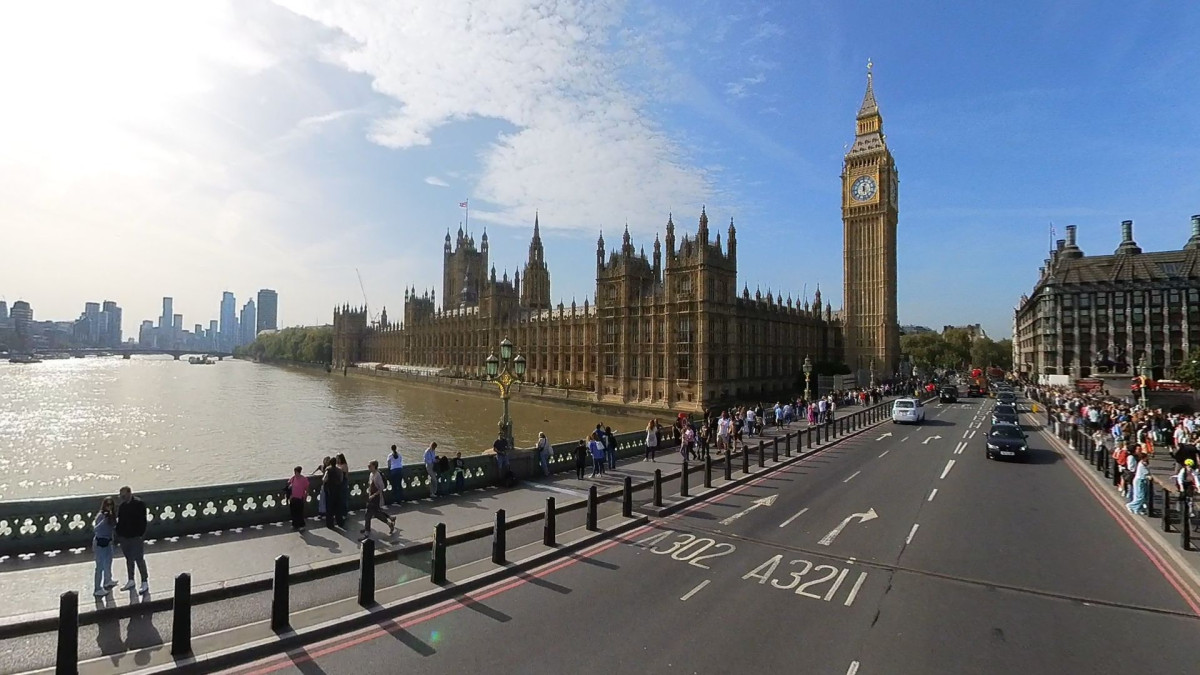
In a city of constant reinvention, Big Ben remains a steady point on the horizon. Its towering presence over the River Thames and the Westminster area has long anchored London’s identity. Yet its story is not static. It has weathered wars, transformations, and the careful modern restoration that keeps its mechanism working with precision. Every hour, the clock connects past and present—turning a moment into a memory.
A landmark with a name that evolved
Many people assume “Big Ben” refers to the entire tower, but the name is more nuanced. “Big Ben” is widely used for the clock and tower, while the bell itself—one of the largest and most famous in the world—bears the nickname. The tower is officially known as the Elizabeth Tower, named in honor of Queen Elizabeth II.
That distinction matters because it reveals how landmarks grow in public imagination. Over time, the bell’s reputation became synonymous with the tower’s identity. What began as a nickname for a specific feature turned into a global shorthand for London’s spirit—bold, recognizable, and deeply rooted in history.
From Victorian ambition to a world-famous clock
Big Ben’s origins trace back to the Victorian era, when London sought to commemorate its strength and future promise. The construction of the clock and tower was a monumental undertaking, driven by engineering ambition and the desire for a public symbol of reliability. The clock’s design had to meet exacting standards, because accuracy was not just technical—it was ceremonial. People would gather, watch, and measure their days by this public timekeeper.
When the clock began operating, it quickly became a sensation. Its scale was impressive, but its impact was emotional. The chime traveled through the streets and across the river, turning the passing of time into a shared experience. In an age before smartphones and digital screens, Big Ben offered a kind of communal certainty: the city’s pulse, audible.
The sound that defines London’s skyline
Big Ben’s hourly chime is often described in dramatic terms—because it deserves them. The sound isn’t merely a noise; it’s a signal. It marks the hour with a resonance that feels both grand and intimate, as if the city itself is speaking. The bell’s deep tone carries far, making the clock audible even when you’re not directly beside the tower.
Part of the magic is how the sound interacts with London’s landscape. In Westminster and along the Thames, the acoustics help the chime linger in the air. On a clear day, you can sometimes hear it more distinctly from bridges and riverside viewpoints. The result is a unique experience: Big Ben becomes a soundtrack to the city, and visitors often find themselves pausing mid-walk simply to listen.
Engineering behind the grandeur
What makes Big Ben more than a beautiful sight is the precision of its engineering. The clock mechanism is a triumph of mechanical design, built to operate with consistent accuracy over long periods. Even small variations—temperature changes, mechanical wear, and environmental factors—can influence performance. That’s why the clock’s maintenance and restoration matter so much.
Modern conservation efforts have focused on preserving the integrity of the original structure while ensuring the clock continues to function reliably. Restoration is not about replacing history; it’s about protecting it. Skilled experts work to safeguard components, verify performance, and maintain the delicate balance between tradition and modern safety standards.
Restoration and the promise of continuity
Big Ben has undergone significant restoration work, reflecting a broader commitment to preserving London’s heritage. Over time, even iconic structures require careful attention. Weathering, aging materials, and the demands of continuous operation mean that conservation cannot be postponed forever.
When restoration projects are completed, the sense of renewal is palpable. The clock face looks crisp, the tower’s presence feels even more commanding, and the chime returns with renewed confidence. For visitors, restoration adds another layer to the experience: you’re not only seeing a historic landmark, you’re witnessing how a city cares for its memory.
What to see around Big Ben
Big Ben stands at a crossroads of London’s most storied neighborhoods. Nearby, the Houses of Parliament and Westminster area create a dramatic backdrop where governance, history, and architecture converge. The tower’s position means that your first glance is often the beginning of a longer discovery—one that includes statues, river views, and the elegant geometry of Gothic design.
For many travelers, the area becomes a walking story. Start with the tower’s exterior, then move toward the river to appreciate how it rises from the urban landscape. If you’re interested in the cultural and historical context, exploring nearby heritage sites helps you understand why Big Ben is more than a clock. It is part of a living civic landscape.
Visitor tips for an unforgettable experience
Planning can dramatically improve your experience at Big Ben. The best moments are often those when the light softens and crowds thin slightly—early morning or late afternoon can offer clearer sightlines and better photo opportunities. If you want to capture the tower in a single frame, consider choosing a viewpoint across the river for a more complete perspective.
When it comes to hearing the chime, timing matters. The hour sounds most impressive when you’re positioned at a comfortable distance where the resonance can develop. Arriving a few minutes early helps you settle, listen, and absorb the atmosphere.
Finally, remember that Big Ben is a public landmark. Respect the flow of pedestrians and follow local guidance. The experience is best when you allow yourself to slow down—because London’s biggest moments are often the ones you feel rather than rush through.
Big Ben inspires because it embodies a rare combination: stability and change. It has endured through eras that transformed society, technology, and daily life. Yet it remains recognizable in its essential form—an emblem of continuity in a world that constantly redraws the future.
There is also something deeply human about a clock that has served generations. It reminds us that time is both personal and shared. The same hour that structures daily routines also becomes a memory when it’s marked by a familiar sound. In that way, Big Ben doesn’t just tell time; it helps people feel connected—to the city, to history, and to one another.
A moment you can carry home
Whether you visit for a single photo or a full day of exploration, Big Ben offers a kind of emotional souvenir. You may remember the view from a bridge, the way the bell’s tone echoed over the water, or the quiet awe of standing near a monument that has watched over London for generations. That is the power of a true landmark: it doesn’t fade when you leave. It stays, turning your journey into a story.
If you’re traveling through London, make room for the slow magic of Big Ben. Look up, listen for the chime, and let the city’s history unfold around you. In the rhythm of its clock and the permanence of its tower, you’ll find an inspiration that feels timeless—exactly like the landmark itself.
- Best time to visit: early morning or late afternoon for softer light and calmer streets.
- For iconic views: consider riverside and bridge viewpoints across the Thames.
- For the full effect: arrive a few minutes before an hour to hear the chime.
- Pair it with nearby history: explore Westminster sites for richer context.
Big Ben doesn’t simply measure time—it makes it meaningful. In London, where stories are layered like architecture, the Elizabeth Tower stands as a reminder that craftsmanship, care, and courage can outlast any moment on the calendar.
Elizabeth Tower and Big Ben
Palace of Westminster