St. Paul’s Cathedral
Discover St. Paul’s Cathedral—Wren’s masterpiece, a living place of worship, and a symbol of London’s endurance through history.
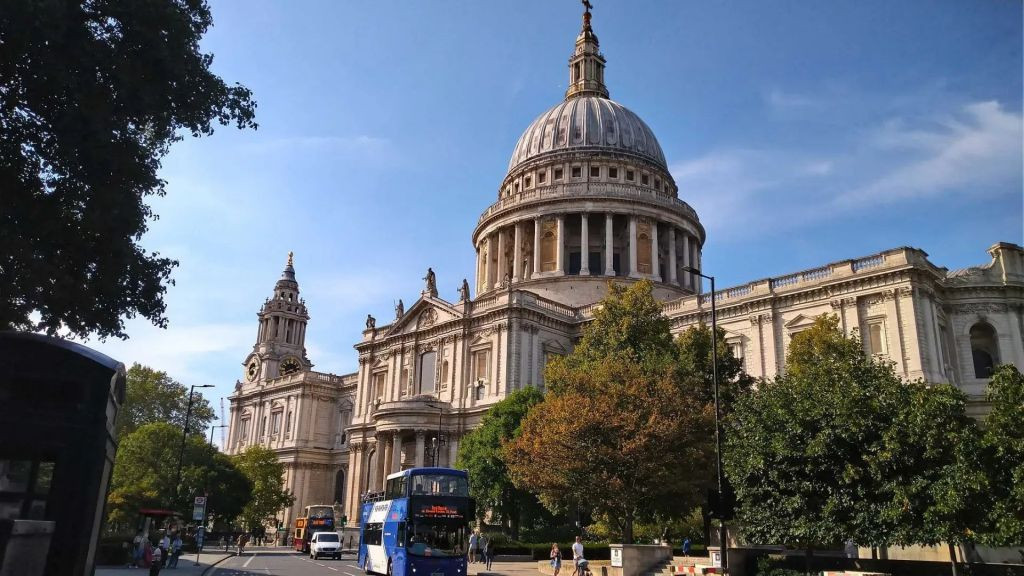
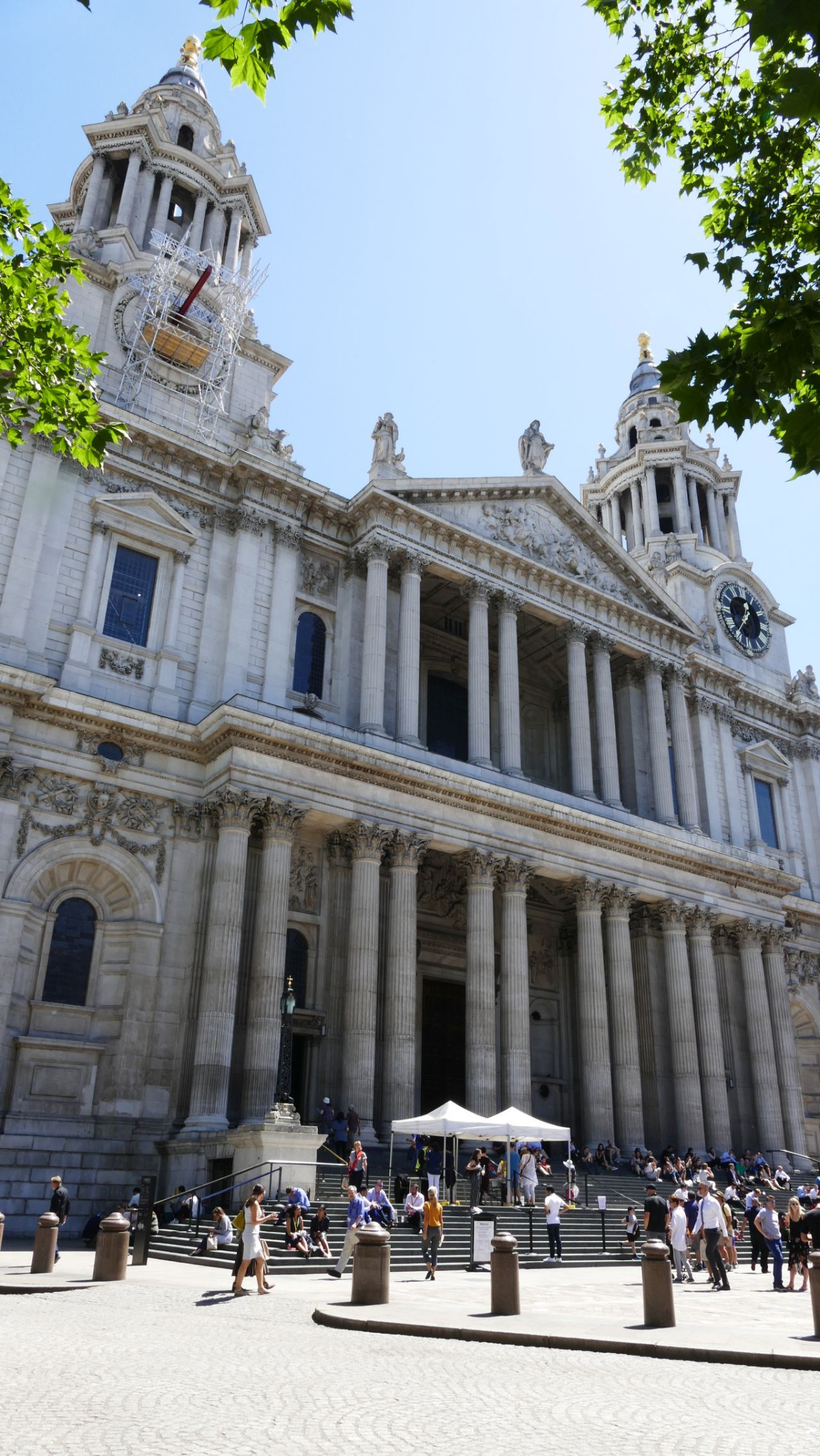
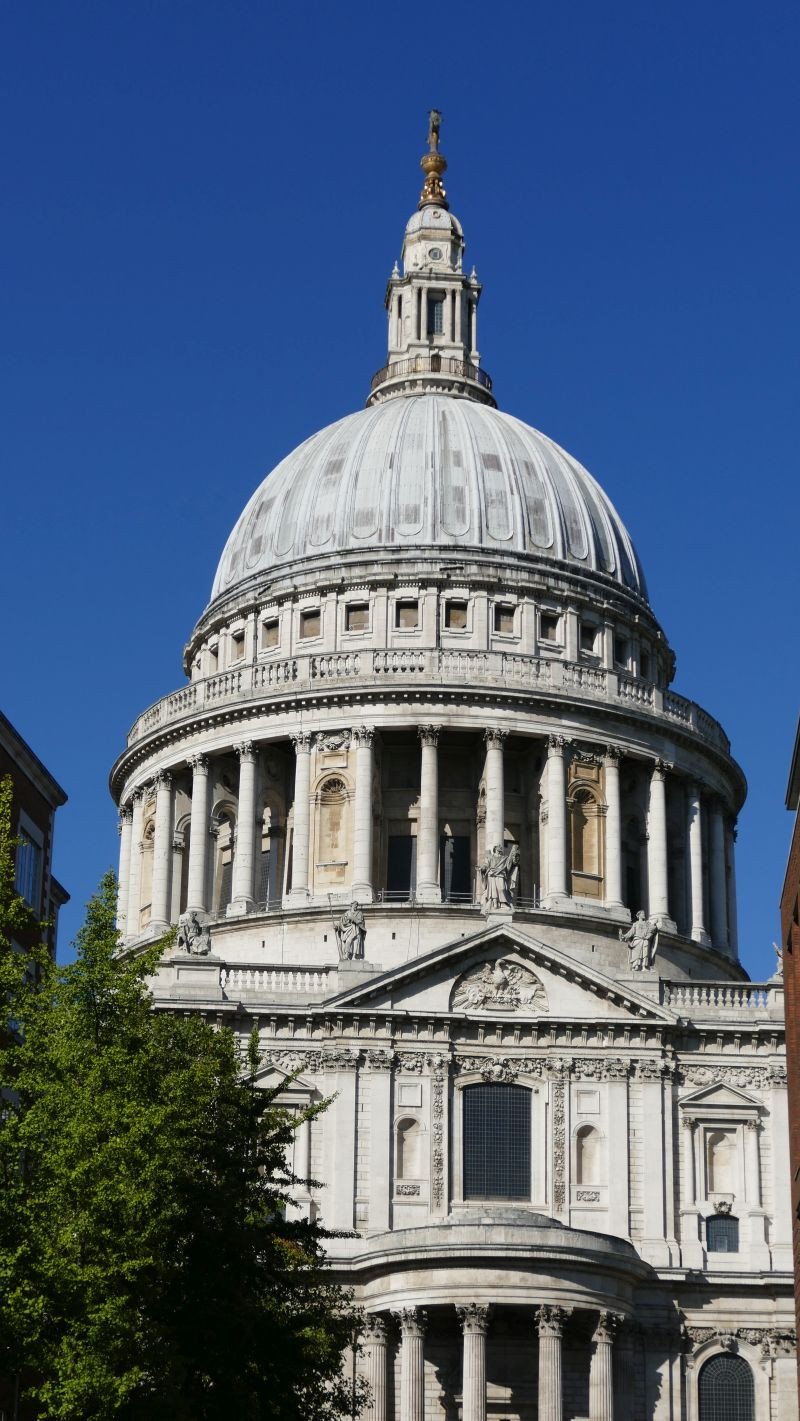
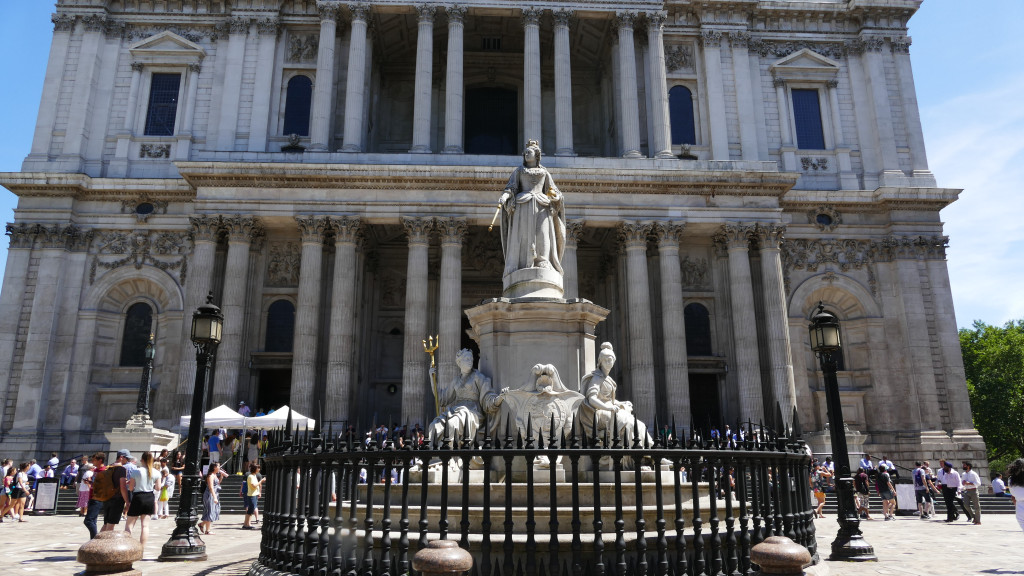
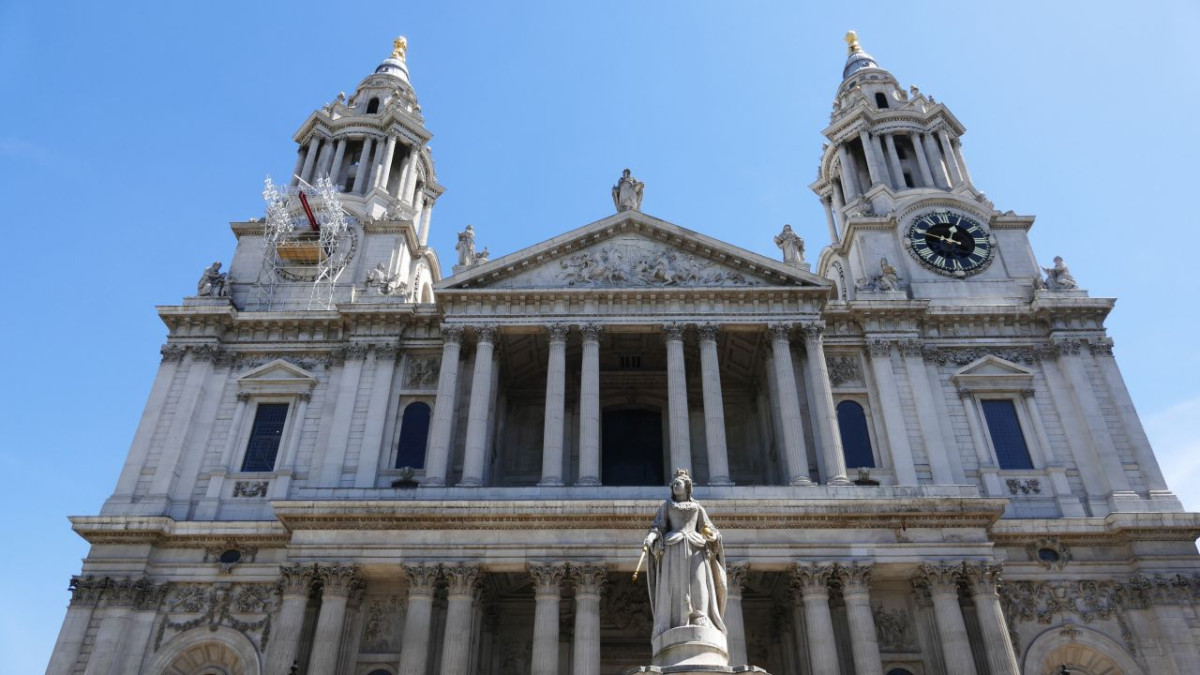
Step into the heart of London and you’ll feel it immediately: the quiet certainty of a place built to last, designed to inspire, and shaped by centuries of devotion. St. Paul’s Cathedral stands not only as a magnificent architectural landmark, but as a living sanctuary where faith, artistry, and resilience meet. Whether you arrive at dawn when the city is still waking, or in the golden hour when the dome catches the light, the cathedral offers a sense of wonder that lingers long after you leave.
From its commanding silhouette to its intimate interiors, St. Paul’s Cathedral tells a story in stone and space. It is a story of ambition and craft, of national identity and personal reflection, and of a city that has repeatedly risen from disruption. Here, every view feels composed—an intentional choreography of perspective, proportion, and reverence—guiding visitors from outer grandeur toward inner calm.
A masterpiece shaped by vision and faith
The cathedral’s most celebrated feature is its dome—an extraordinary achievement of engineering and design that has become synonymous with London’s skyline. Yet the dome is more than a visual triumph. It represents a union of spiritual purpose and human ingenuity. The cathedral was commissioned in the aftermath of the Great Fire of London, when the city faced the immense challenge of rebuilding not just buildings, but confidence itself. St. Paul’s emerged as a statement that renewal could be both practical and beautiful.
At the center of this transformation was Sir Christopher Wren, whose vision helped define the cathedral’s character. Under his guidance, the project brought together remarkable skill and innovation. The result is a building that feels both monumental and deeply intentional—grand enough to inspire awe, refined enough to reward close attention. Details are not decorative afterthoughts; they are part of the cathedral’s language, communicating order, meaning, and hope.
Entering the cathedral: a journey through light and scale
Walk through the doors and the atmosphere changes. The bustle of the street becomes distant, replaced by a hush that feels natural—like the space itself invites you to slow down. The interior opens with a sense of scale that can be difficult to describe until you experience it. Columns rise with confidence, arches frame the view like careful brushstrokes, and the overall geometry draws your gaze upward.
Light plays a central role in this experience. Depending on the time of day and the weather, it filters through the cathedral’s windows and surfaces, shifting the mood from bright clarity to soft, contemplative glow. The cathedral’s design makes you aware of your own presence—your footsteps, your breath, your silence—so that visiting becomes more than sightseeing. It becomes participation in a space meant for worship, reflection, and remembrance.
Art, symbolism, and the cathedral’s living heritage
St. Paul’s Cathedral is renowned for its artistic richness, and much of that artistry carries meaning. Paintings, monuments, and memorials create a layered narrative of people and events—some celebrated, some mourned, all woven into the cathedral’s ongoing life. This is not a museum that stands apart from time; it is a place where history is remembered and where new moments are continually added through services, music, and community events.
The cathedral’s beauty is also deeply connected to its role in public life. It has welcomed generations of Londoners and visitors from around the world, offering moments of unity when the city needed them most. In times of celebration, it has provided a resonant stage for ceremony and song; in times of grief, it has offered a dignified setting for collective remembrance.
Resilience in stone: surviving, rebuilding, and enduring
One of the most powerful aspects of St. Paul’s Cathedral is what it represents in the face of adversity. London’s history includes periods of profound disruption, and the cathedral’s story reflects the city’s determination to rebuild with purpose. Even when tragedy has struck, the cathedral has remained a steady point of reference—its presence a reminder that endurance is not passive. It is an act of care, craftsmanship, and commitment carried forward by people who refuse to let beauty disappear.
That resilience is visible in the way the cathedral continues to function as a spiritual home. Its survival through the centuries has not frozen it in the past; instead, it has allowed it to keep moving with the city. Today, St. Paul’s stands as both a historical treasure and an active center of worship—an emblem that London’s identity is built from layers: faith and artistry, memory and renewal.
Climbing the heights: views that redefine perspective
There is a particular kind of awe reserved for those who climb higher. Ascending within the cathedral offers a gradual transformation in viewpoint. Walls and arches that once framed your path become familiar silhouettes, and the sense of scale shifts dramatically. The higher you go, the more the cathedral reveals its internal logic—how space and structure work together to create harmony.
At the top, the city unfolds beneath you. London becomes a living panorama: rooftops, streets, bridges, and distant landmarks arranged like a map of human ambition. The view is not merely scenic; it feels symbolic. You gain a perspective that echoes the cathedral’s own message—look beyond the immediate, and you will see how everything connects.
Music and worship
St. Paul’s Cathedral is celebrated for the way it holds music. The building’s acoustics and atmosphere create an environment where sound can carry both clarity and emotion. Choral performances and services have long been part of the cathedral’s identity, drawing visitors who come for inspiration as much as for entertainment.
In worship, the cathedral’s architecture becomes a partner. It shapes the way words are heard and melodies resonate, turning ordinary moments into something memorable. Even if you are visiting for the first time, you may find yourself moved—by the solemnity of a service, by the lift of a hymn, by the sense that many voices can share one purpose.
What to notice during your visit
To fully experience St. Paul’s Cathedral, let curiosity guide you. Consider focusing on a few key elements as you explore:
- The dome and its skyline presence, which define the cathedral’s identity from afar.
- Interior light, which changes throughout the day and transforms the atmosphere.
- Monuments and memorials, which connect personal stories to national history.
- Architectural perspective, where lines and arches subtly guide your attention.
- Moments of silence, when the cathedral feels most alive.
Planning your visit thoughtfully can deepen the experience. Arriving at quieter times allows you to appreciate the cathedral’s stillness. If you’re able to attend a service or a choral event, you’ll discover a different dimension of the building—one where the cathedral is not just seen, but heard and felt.
A place for everyone: wonder, reflection, and connection
St. Paul’s Cathedral welcomes people of many backgrounds, and its power lies in how it speaks to different hearts. For some, it is a triumph of architecture and engineering—proof that imagination can become enduring reality. For others, it is a sacred space where faith is practiced and renewed. For many, it is both: a grand structure that invites spiritual contemplation without demanding a particular starting point.
As you step back onto London’s streets, the cathedral may remain in your memory as a silhouette against the sky. But more than that, it may linger as a feeling—of calm strength, of creative brilliance, of a city that keeps finding ways to rebuild. St. Paul’s Cathedral endures as an icon because it does what the best landmarks do: it connects the past to the present and offers a future shaped by hope.
In every visit, the experience can be different—yet the message stays consistent. St. Paul’s Cathedral is not simply a monument to history. It is a living testament to resilience, artistry, and the enduring human desire to reach upward—toward beauty, toward meaning, and toward one another.
St Paul's Cathedral
St Paul's Churchyard
London
EC4M 8AD