Tower Bridge
Discover Tower Bridge’s story, engineering marvels, Thames views, and best times to visit—plus practical tips for a memorable London day.
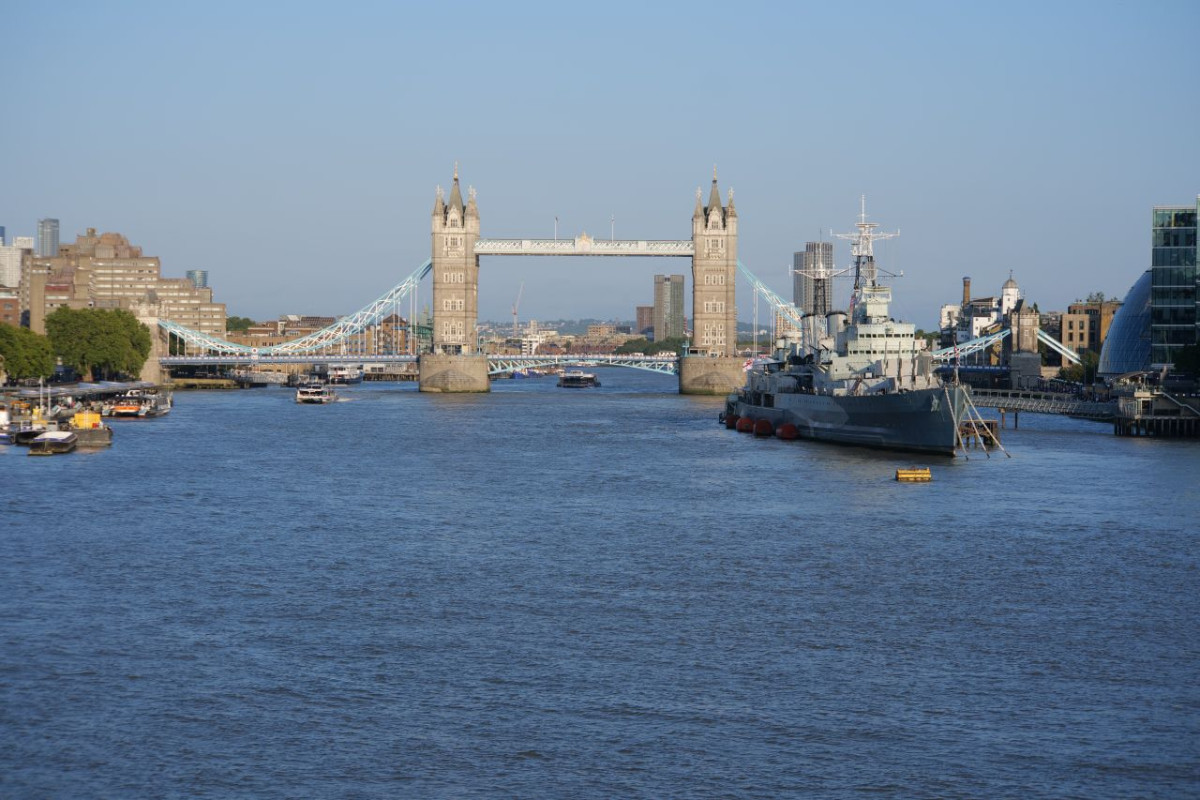
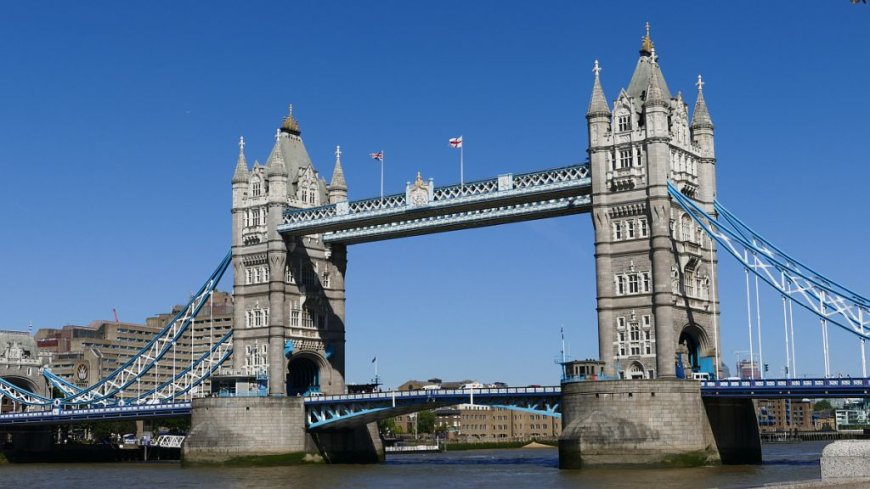
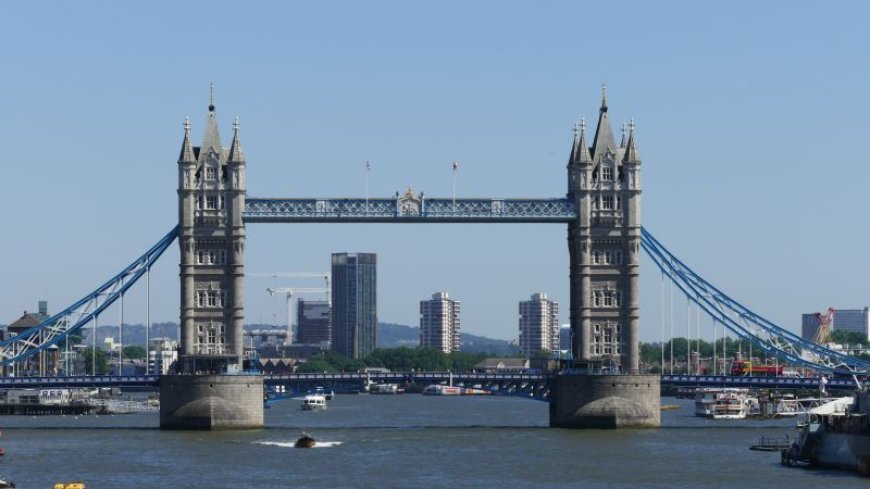
Step toward the Thames and you’ll feel it immediately: Tower Bridge doesn’t simply sit on the skyline—it belongs to London’s imagination. With its dramatic silhouette, Victorian confidence, and the steady flow of ships below, it captures the city’s talent for blending romance with engineering. Whether you’re planning your first visit or returning for a new angle, Tower Bridge rewards you with layered stories: architectural ambition, maritime life, and the quiet thrill of standing where the river seems to pause.
Today, Tower Bridge is more than a crossing. It’s a destination for travelers who want to understand how London moves—both literally, through tides and traffic, and emotionally, through the timeless pull of landmarks. As you approach, notice how the bridge frames the water like a moving stage. The towers rise with purpose, the spans stretch with grace, and the roadway above feels like a ribbon connecting eras.
A bridge designed to keep the city moving
One of the most fascinating aspects of Tower Bridge is the problem it was built to solve. London’s growth demanded better crossings over the Thames, but the river was also a vital highway for trade. Tall ships needed passage, and the city needed reliability. Tower Bridge became the answer: a structure capable of opening for maritime traffic while maintaining a strong, iconic presence for pedestrians and vehicles.
Its design reflects a period when engineering and aesthetics were treated as partners. The bridge’s towers provide the visual anchor, while the bascules—large moving sections—allow the spans to lift when required. Standing near the approach roads, you can almost sense the balance of forces: the confidence of a fixed monument and the ingenuity of a mechanism built for motion. It’s not just a bridge that looks impressive; it’s a bridge that works impressively.
From Victorian vision to modern attraction
When Tower Bridge opened in the late 19th century, it represented a new way of thinking about infrastructure. It wasn’t enough for a bridge to perform its duty; it had to meet the expectations of a capital city—durable, elegant, and unmistakably London. Over time, the surrounding area evolved, and the bridge gained an even deeper role in the way people experience the river.
In the decades since, Tower Bridge has welcomed generations of visitors who come to see more than steel and stone. They come for the atmosphere: the sense of being in the center of a living city, where history feels close enough to touch. Today, the bridge’s viewing spaces and walkways allow you to experience the Thames from a perspective that feels both elevated and intimate—like you’re watching London through a carefully designed window.
Walking the bridge: viewpoints that feel like cinema
There’s a special kind of wonder in crossing Tower Bridge on foot. The experience unfolds in moments: the first glimpse of the towers rising ahead, the shift in perspective as you move into the center span, and the sudden clarity of the river’s breadth beneath you. From the elevated walkways, you can appreciate the bridge’s engineering details without losing sight of the broader landscape.
The river below carries constant motion—boats sliding past, reflections shimmering along the waterline, and the ever-changing palette of London’s sky. On clear days, distant landmarks sharpen into view, giving you a map of the city made from light. On misty mornings, the atmosphere turns soft and mysterious, and the bridge seems to float above the Thames.
If you’re photographing, consider moving slowly. The best images come from waiting for the river to “compose” itself: a vessel passing under the span, sunlight catching the metalwork, or the skyline aligning with the towers. Tower Bridge is photogenic in every season, but it’s the timing that turns a good photo into a memory.
Night lights and the magic of the Thames
When evening arrives, Tower Bridge transforms. The structure becomes a luminous landmark, and the reflections on the river create a second bridge—one made of moving light. This is when London feels especially cinematic, and the bridge turns into a meeting point between day’s history and night’s energy.
Plan your visit so you can experience at least a portion of the sunset-to-night transition. As the sky darkens, the colors deepen, and the city’s glow becomes more noticeable. The towers stand out with a crisp clarity, while the water mirrors the scene in ripples that never repeat exactly. It’s an experience that encourages you to breathe slower, look longer, and let the moment settle.
For photographers and romantics alike, this is the time to linger near the viewpoints. The Thames has a rhythm; at night it becomes more pronounced, and Tower Bridge feels like the conductor of that rhythm.
Landmarks endure when they continue to offer meaning. Tower Bridge remains relevant because it tells a story that’s bigger than one structure. It reflects the ambition of London’s builders, the necessity of engineering innovation, and the enduring beauty of a city shaped by water.
It also offers a bridge—literal and symbolic—between the past and present. You can stand within a few minutes of centuries of architecture and maritime history, then look outward and see a modern metropolis in motion. That contrast is part of Tower Bridge’s power. It invites you to consider how cities adapt while still honoring what made them great.
Practical tips for a smooth, memorable visit
To make the most of your time, keep a few visitor-friendly strategies in mind. Tower Bridge is popular, and a little planning helps you enjoy it without rushing.
- Choose your time: Aim for late afternoon or early evening to experience both daylight views and night lighting.
- Wear comfortable shoes: Expect walking and stairs depending on your route and viewpoints.
- Bring a camera—or just your attention: The bridge offers changing compositions as the sky and river shift.
- Look beyond the bridge: Turn your gaze toward the skyline and riverside areas to understand the surrounding context.
- Plan for the atmosphere: Wind along the Thames is real—pack a light layer even in mild weather.
Pair Tower Bridge with nearby London experiences
Tower Bridge sits within a neighborhood rich with stories, so your day can feel like a curated journey. Combine your visit with walks along the river, where the city’s textures—brick, stone, steel, and water—create a satisfying rhythm for the senses. If you enjoy maritime history, the Thames is the perfect companion; if you prefer panoramic city views, the surrounding viewpoints make it easy to keep exploring.
Consider building a route that starts with the bridge approach, continues across or around the walkways, and then extends into the riverside atmosphere. The goal isn’t to “see everything”—it’s to experience how London unfolds around one iconic anchor.
A landmark that inspires awe
Tower Bridge inspires because it’s both grand and approachable. It invites you to marvel at its design while also encouraging you to participate—by walking, looking, and staying long enough for the river to reveal its mood. It’s a place where engineering becomes art, and where history feels present rather than distant.
So when you visit Tower Bridge, don’t rush across as if it’s only a passage. Treat it like a viewpoint into London’s spirit. Watch the river, notice the details, and let the bridge’s lights settle into your memory. In a city built on movement, Tower Bridge stands as a reminder that the most enduring journeys are the ones you take slowly—one step, one glance, and one moment at a time.
Tower Bridge