Trafalgar Square
Discover Trafalgar Square’s history, landmarks, events, and best ways to experience this iconic London heart—crafted for every traveler.
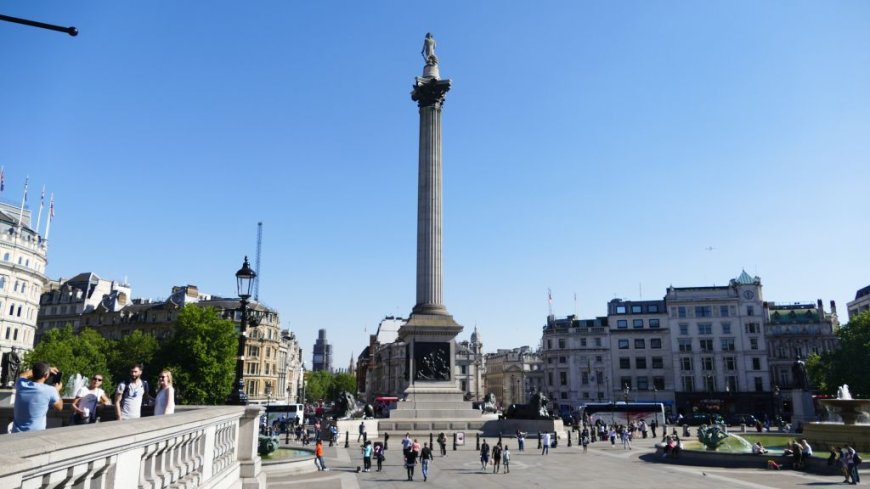
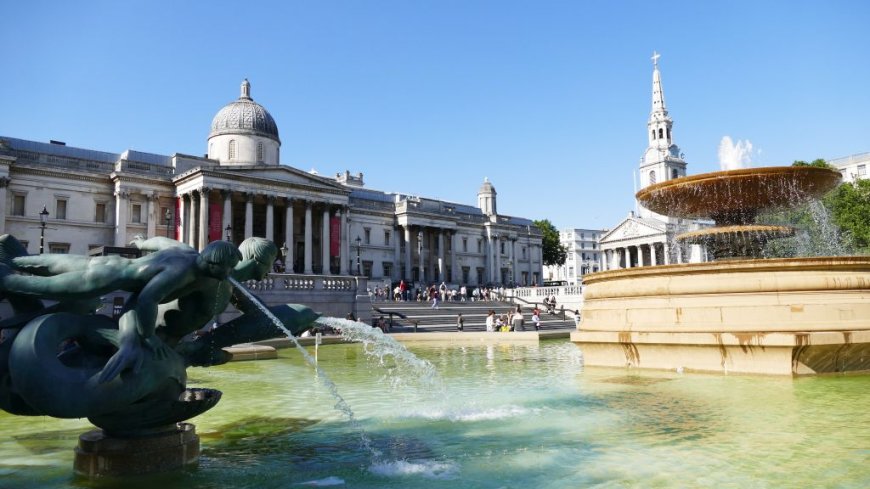
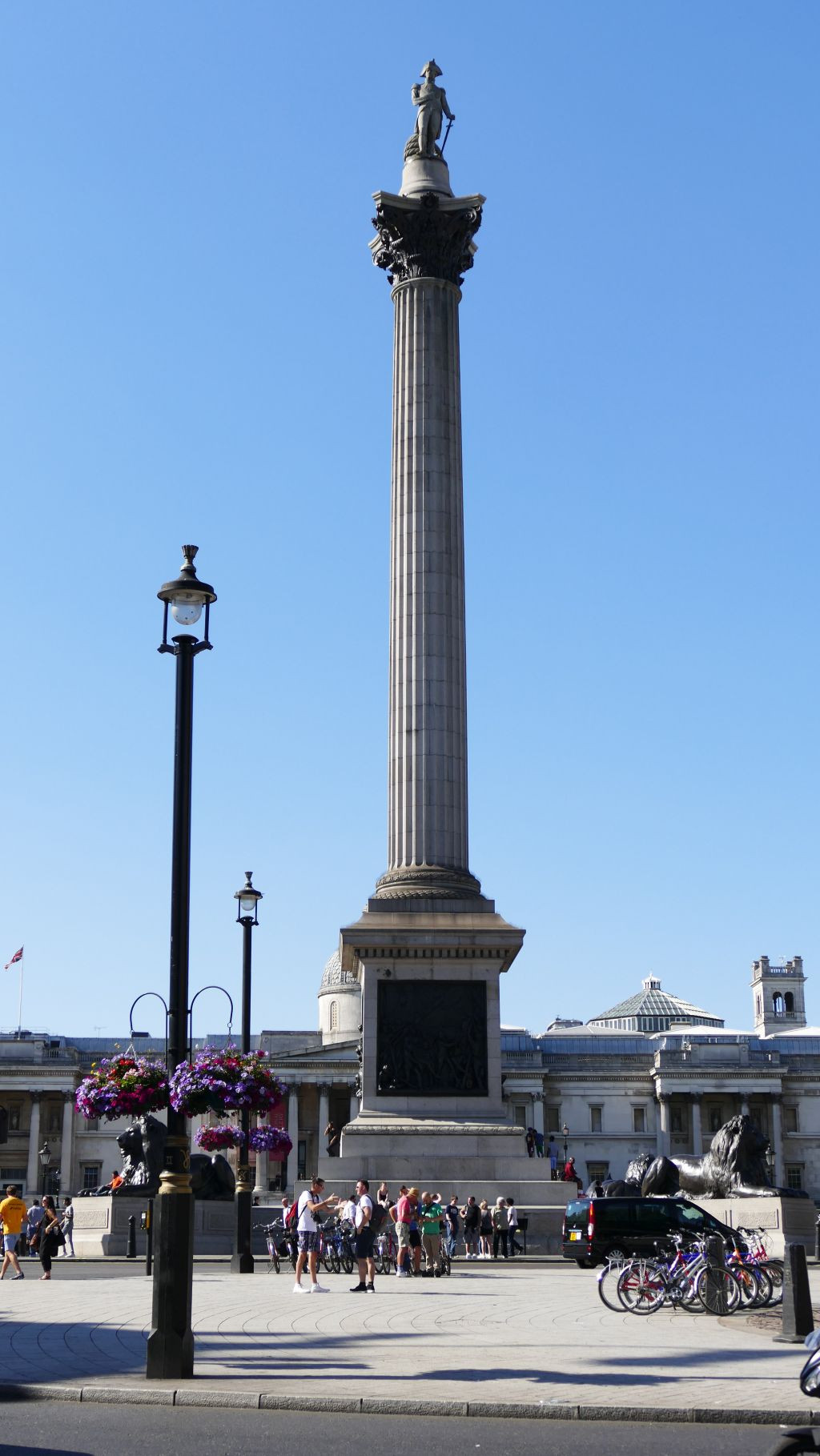
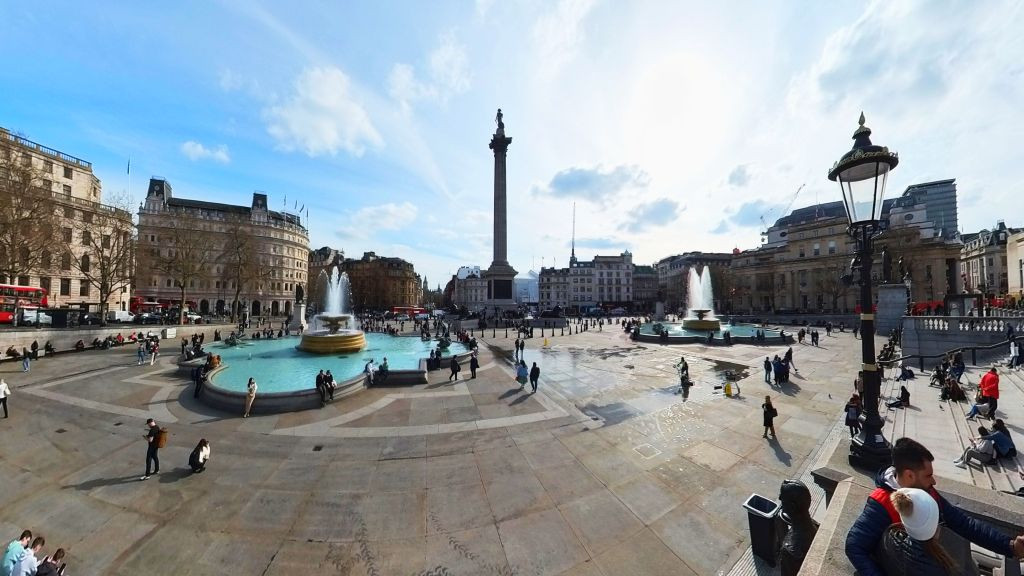
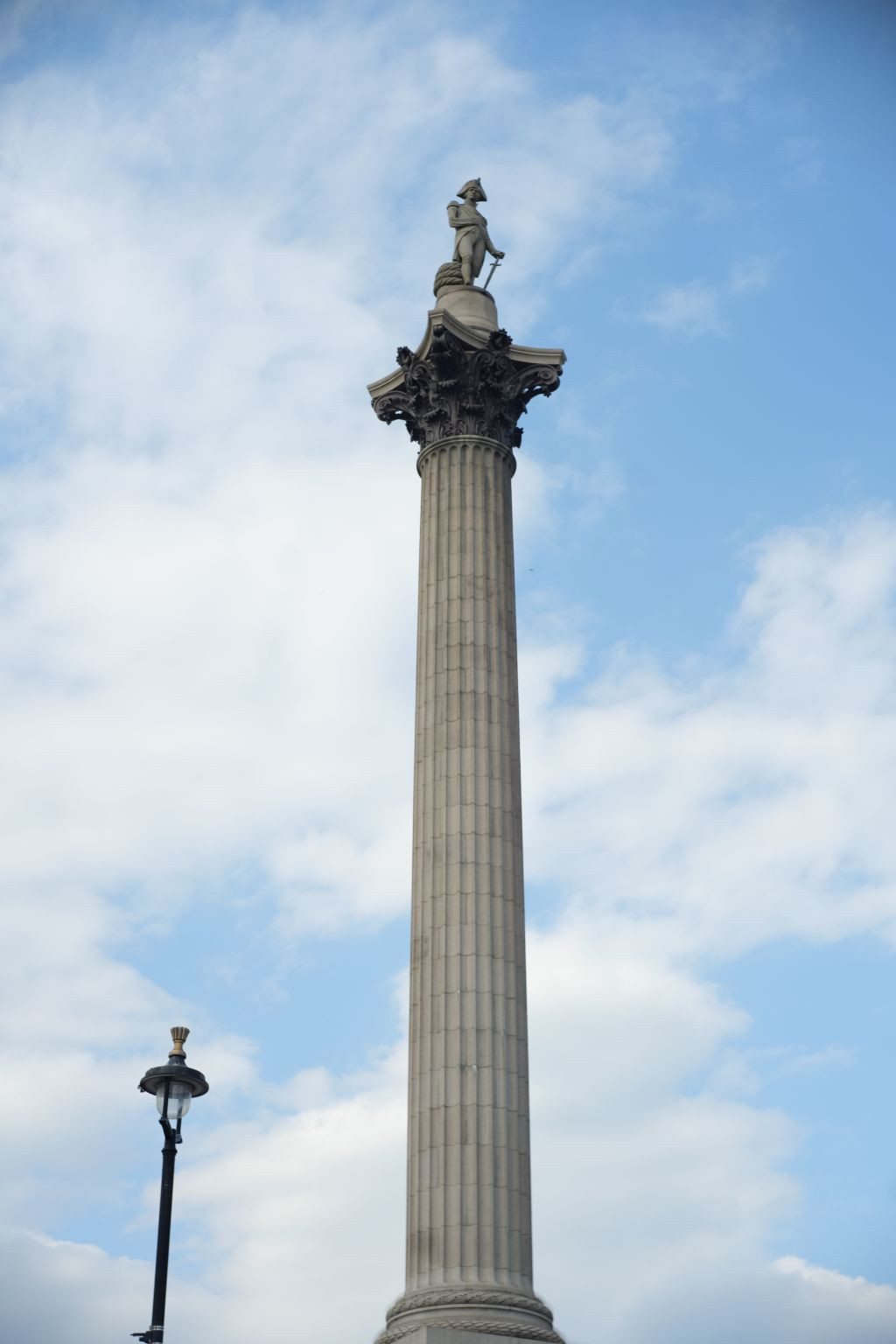
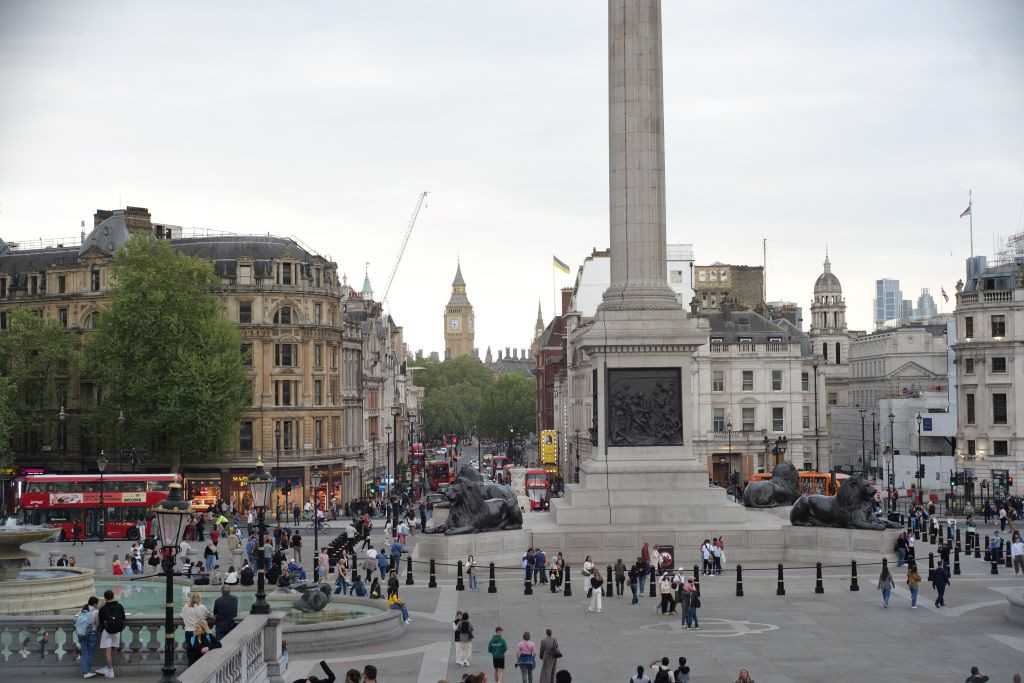
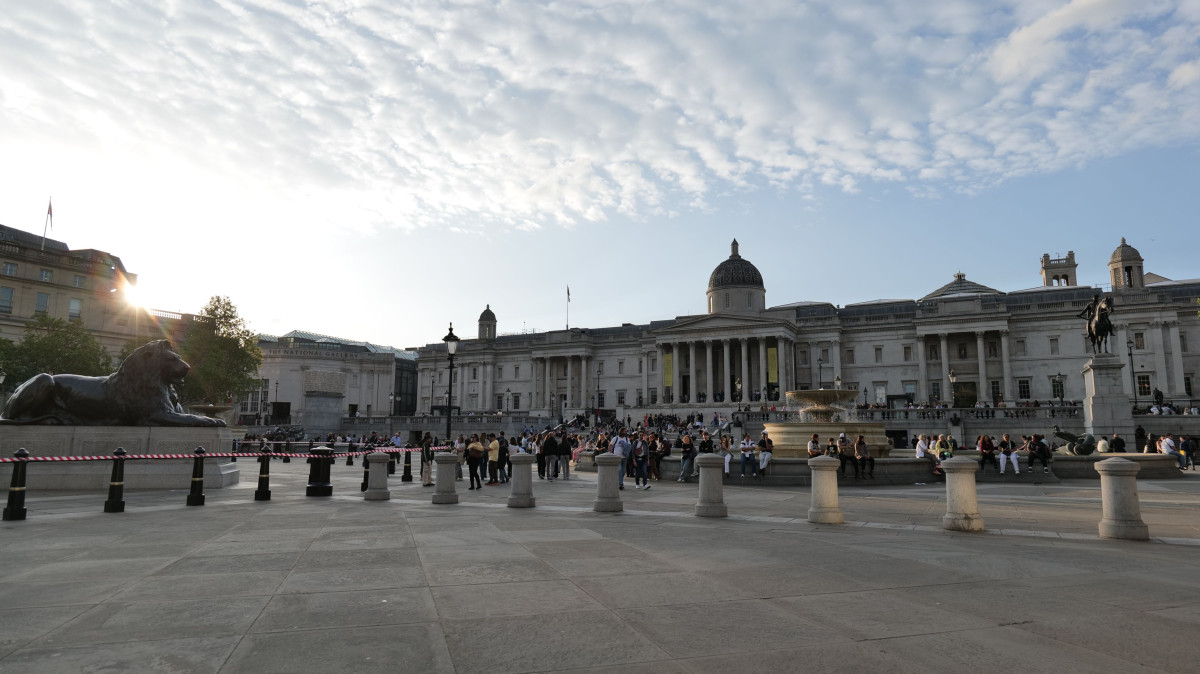
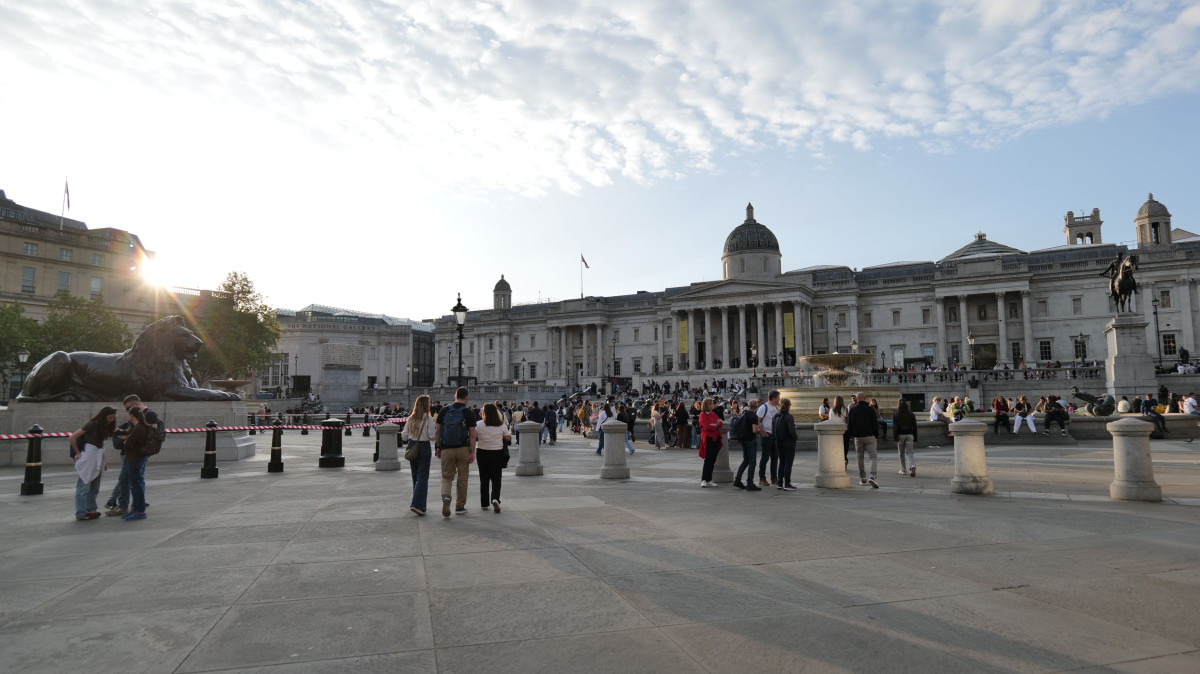
Trafalgar Square is a public square in the City of Westminster in Central London.
Standing in the bright pulse of central London, Trafalgar Square feels like a place where history and modern life share the same breath. It’s not only a destination you visit—it’s a civic stage where stories unfold: from triumphant monuments and world-class art to seasonal celebrations and spontaneous street energy. Whether you arrive for a quick photo or plan a full day of discovery, Trafalgar Square invites you to slow down and look closer. Here, the city’s character is unmistakable—confident, creative, and deeply rooted.
At the heart of the square rises Nelson’s Column, a commanding landmark that has guided visitors for generations. The column is more than a memorial; it’s a statement of maritime legacy and national pride, reaching high above the crowds. As you circle around it, you begin to understand why Trafalgar Square has become a meeting point for locals and travelers alike. The space is wide enough to hold ceremonies, performances, and gatherings, yet intimate enough to feel personal when you stand beneath the monument and take in the surrounding architecture.
One of the most inspiring aspects of Trafalgar Square is how effortlessly it connects the monumental with the cultural. Step to the edge of the square and you’ll find yourself facing the National Gallery, one of the world’s most beloved art museums. The building’s presence turns an open public space into a gateway for imagination. Inside, you can lose yourself in masterpieces that span centuries—paintings that sharpen your senses and deepen your perspective. Even if you only glimpse the museum from outside, the message is clear: this is a place where art is not an afterthought, but a core part of the city’s identity.
Trafalgar Square was designed as a grand public space, shaped by the idea that national milestones deserve visible, shared remembrance. Its name commemorates the Battle of Trafalgar, and its layout reflects the ambition of a city intent on being seen. Over time, the square has evolved from a formal civic space into a living hub—hosting public gatherings, political demonstrations, cultural events, and moments of collective emotion.
What makes the history resonate today is the way the square continues to function as a public forum. People come here to celebrate, to speak, to protest, and to connect. In that sense, Trafalgar Square is more than a backdrop—it’s a participant in London’s ongoing story. The monuments stand firm, but the square itself keeps moving, shaped by the voices and footsteps of each new generation.
Landmarks you can’t miss
While the square’s atmosphere is unforgettable, several features make it instantly recognizable. Nelson’s Column anchors the scene and offers a focal point for photos from nearly every angle. At the base, the surrounding sculptures add layers of meaning, inviting you to pause and read the details rather than rushing past. The grand scale encourages you to look upward, while the open paving draws you inward toward the center of the action.
Nearby, the National Gallery provides a natural next step for visitors who want to transition from outdoor wonder to indoor discovery. The combination of open space and museum culture creates a balance that feels rare—part celebration, part education, part leisure.
And then there’s the Trafalgar Square Christmas lights tradition, which transforms the square into a seasonal beacon. When the festive lights appear, the atmosphere changes: the air feels warmer, the crowd becomes more luminous, and the square takes on a magical rhythm. Even if you visit at a different time of year, you can sense how the space is designed for wonder, capable of turning ordinary evenings into cherished memories.
What to do in Trafalgar Square
It’s easy to treat Trafalgar Square as a quick stop, but it rewards deeper attention. Start by walking the perimeter slowly. Notice how the sightlines open and close, how the monument shifts position as you move, and how the soundscape changes with the crowd. Then, consider turning your visit into a mini-adventure that blends culture, sightseeing, and local discovery.
- Watch the city in motion: The square is a natural “people-watching” zone. You’ll see performers, families, tourists, and commuters sharing the same space.
- Plan a museum pause: If you have time, step into the National Gallery for a focused route—choose a few galleries or a theme to keep the experience satisfying.
- Time your visit: Morning and late afternoon often offer softer light for photography and a more relaxed pace for exploring.
- Bring curiosity: Read signage, look for details at the base of the column, and let the history guide what you notice next.
If you’re travelling with family, the square’s open layout makes it practical and engaging. If you’re visiting solo, it offers a safe, central place to reset your bearings in London. And if you’re a photography enthusiast, Trafalgar Square delivers variety—wide compositions, architectural textures, and human-scale moments that bring the scene to life.
How to experience the square at its best
Trafalgar Square is at its most inspiring when you treat it like a destination rather than a landmark. Choose a rhythm that matches your interests. For a classic sightseeing flow, begin with the column, then move outward to observe the square’s surrounding architecture. For a culture-first approach, start with the National Gallery and then return to the square to absorb how art and public space complement each other.
To make the most of your time, consider these practical ideas:
Arrive with a purpose: Decide whether you want history, art, events, or photography, and let that guide your route.
Allow extra time for atmosphere: The square’s energy builds as the day progresses, especially when events draw crowds.
Check event schedules: Public celebrations, performances, and seasonal displays can significantly enhance the experience.
Stay flexible: Some of the best moments are unplanned—an announcement, a street performance, or a crowd gathering for a shared celebration.
A London heart that welcomes everyone
Ultimately, Trafalgar Square stands out because it feels inclusive. It doesn’t demand that you be an expert to appreciate it. You can simply arrive, look around, and feel the city’s confidence. The monument tells one story, the museum tells another, and the crowd adds a living layer that changes with every hour.
In a city known for reinvention, Trafalgar Square offers a rare continuity. It preserves memory while remaining open to new meaning. That’s why it continues to inspire—because it’s both grand and approachable, historic and current, reflective and celebratory. When you leave, you won’t just remember the view. You’ll remember the feeling of being in the center of London’s shared experience.
So take your time. Let the column pull your gaze upward, let the museum invite you inward, and let the square’s energy remind you that travel is not only about seeing places—it’s about participating in the spirit of a city. Trafalgar Square doesn’t simply sit in London; it helps define it, one unforgettable moment at a time.
Trafalgar Square