London Museum Docklands
Discover London Museum Docklands, where river trade, migration, slavery, and urban renewal reveal the dramatic story of London’s waterfront.
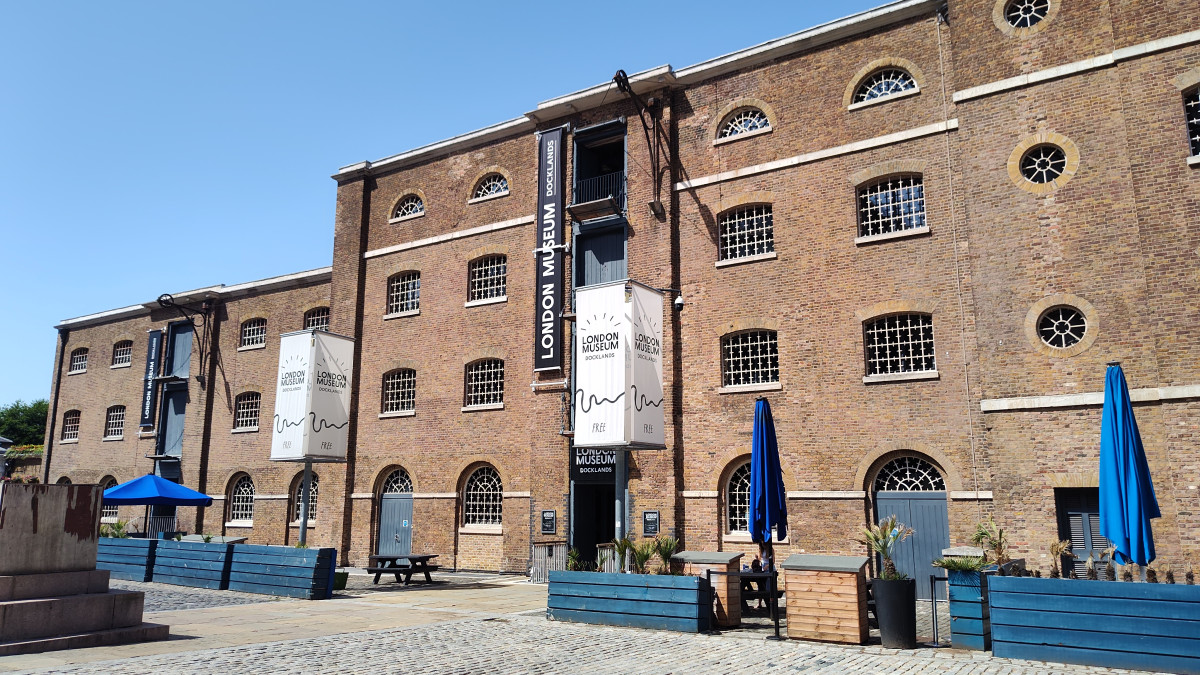
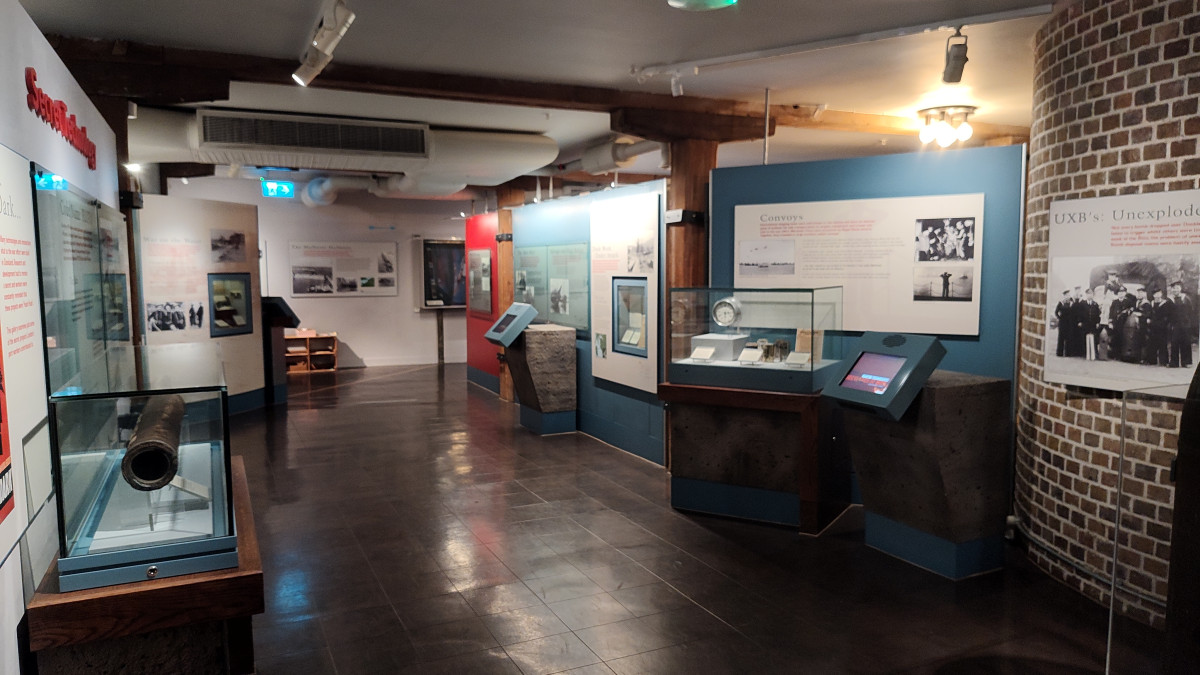
Set inside a Georgian warehouse at West India Quay, the London Museum Doclands offers one of the most vivid ways to understand how London became a global city. Rather than simply displaying objects behind glass, it unfolds a powerful human story shaped by the River Thames: a story of merchants and sailors, warehouse workers and migrants, ambition and hardship, empire and renewal. For visitors exploring Canary Wharf or seeking a deeper layer of the capital beyond its postcard landmarks, this museum provides an experience that is both intellectually rich and emotionally resonant.
The setting itself is part of the appeal. Housed in one of the few surviving early 19th-century sugar warehouses, the building immediately connects the past to the present. Outside, sleek towers rise over the docks, symbols of modern finance and reinvention. Inside, timber floors, brick walls, and historic spaces preserve the atmosphere of a working waterfront. That contrast gives every gallery added meaning. You are not just reading about Docklands history; you are standing within it.
What makes the museum especially memorable is the breadth of its narrative. It begins with the river as London’s lifeline, long before the Docklands skyline took shape. The Thames was the route through which goods, people, and ideas entered the city, and the museum traces this evolution with clarity and energy. Models, maps, artworks, tools, and personal belongings help visitors imagine the port at different moments in time, from Roman trading activity to the rise of the great enclosed docks. The result is a portrait of London not as a static capital, but as a place continually remade by movement.
A port that changed the world
One of the museum’s greatest strengths is its ability to explain the enormous scale of London’s maritime importance. For centuries, the docks connected Britain to Europe, the Caribbean, Asia, and the wider world. Ships arrived carrying tea, tobacco, timber, spices, and sugar, while departing vessels carried manufactured goods and imperial ambition. The galleries reveal how the wealth generated by trade transformed neighborhoods, financed grand projects, and helped shape Britain’s identity. At the same time, they do not romanticize this prosperity. Instead, the museum encourages visitors to consider who benefited, who labored, and who paid the human cost.
This balanced storytelling is especially clear in displays about dock work and daily life. The port was a place of relentless physical effort, uncertainty, and danger. Men waited to be selected for shifts, cargo had to be moved quickly, and employment could vanish with changes in trade or technology. Through photographs, oral histories, and reconstructed scenes, the museum captures the rhythm of working-class life around the river. These details make the larger economic story feel immediate and personal.
Facing the history of slavery
Among the most important sections is the museum’s treatment of London’s role in the transatlantic slave trade. This is not presented as a side note, but as a central part of the city’s commercial history. The galleries confront the ways in which wealth from slavery flowed through London’s institutions, businesses, and dockside warehouses. Artefacts, documents, and testimony illuminate the systems that reduced human beings to cargo and reveal the brutality that underpinned imperial trade.
The power of this section lies in its honesty and care. Visitors are asked to look beyond abstractions and recognize the lives disrupted, exploited, and destroyed. At the same time, the museum highlights resistance, survival, and the contributions of Black communities to London’s story. This approach gives the museum moral depth. It is not only a place of heritage, but also a place of reflection, where difficult truths are acknowledged with seriousness and respect.
Immersive moments for every visitor
The London Museum Docklands is particularly effective because it knows history should be felt as well as learned. One of its most popular features is the atmospheric recreation of Sailortown, a shadowy walk-through street scene evoking 19th-century riverside Wapping. With shopfronts, sounds, and narrow passages, it offers a theatrical glimpse into the world of sailors, traders, and dockside residents. For families, it brings the past alive in a way that is immediate and memorable. For adults, it adds texture to the social history of the port.
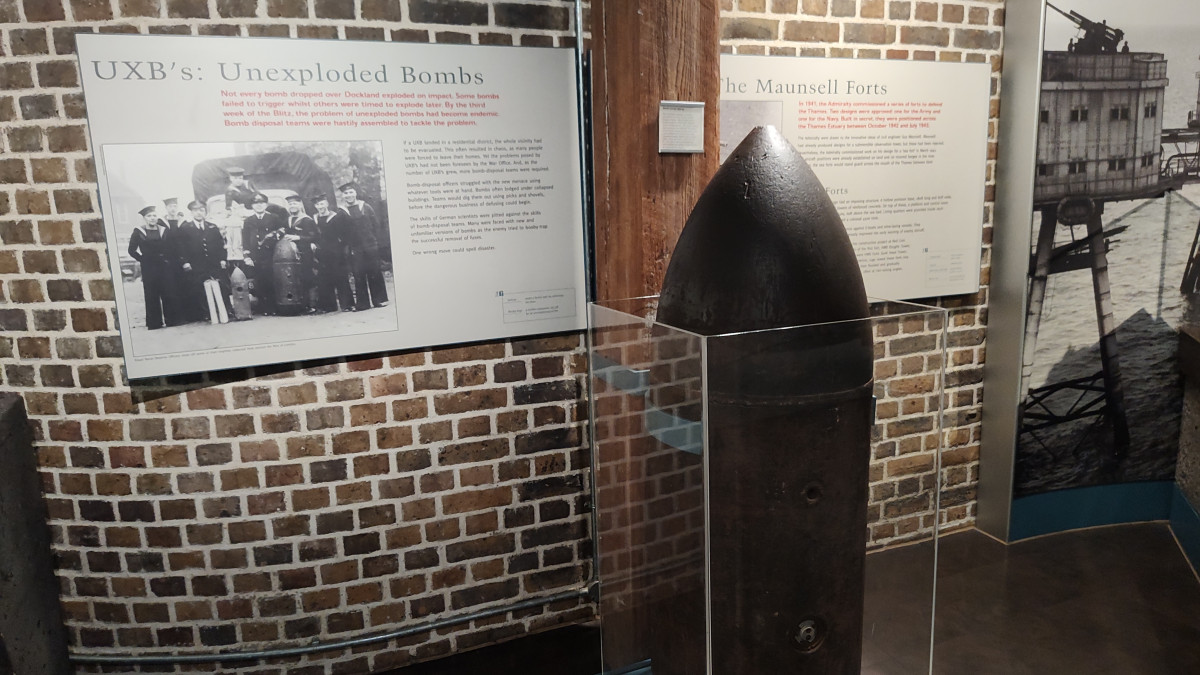
Elsewhere, the museum uses scale models, film, and interactive displays to make complex change understandable. The development of the docks, the impact of steam power, the devastation of wartime bombing, and the dramatic decline of the port in the 20th century are all explained with impressive accessibility. Even visitors with little prior knowledge can follow the story with ease, while history enthusiasts will appreciate the depth and nuance built into the displays.
- Historic setting: a preserved warehouse at West India Quay.
- Major themes: trade, migration, labor, slavery, war, and regeneration.
- Best for: families, history lovers, architecture fans, and curious first-time visitors.
- Atmosphere: thoughtful, immersive, and surprisingly moving.
From decline to reinvention
One of the most inspiring parts of the museum is its exploration of modern Docklands. After centuries of commercial success, containerization and changing shipping patterns rendered many of the old docks obsolete. Jobs disappeared, communities faced uncertainty, and large areas fell into neglect. The museum shows this decline not as an abstract economic shift, but as a lived experience that reshaped East London.
Yet the story does not end there. The galleries chart the extraordinary redevelopment that followed, leading to the rise of Canary Wharf and the transformation of the surrounding districts. This section is particularly compelling because many visitors will have just walked through that new landscape before entering the museum. The towers, transport links, and waterside plazas outside can seem purely contemporary, but inside the museum they become the latest chapter in a much longer narrative of adaptation. That perspective is one of the museum’s greatest gifts: it teaches you to see modern London with historical eyes.
The institution also pays attention to the communities who have called Docklands home. Migration, settlement, and cultural exchange are woven throughout the displays, reminding visitors that London’s growth has always depended on arrivals from elsewhere. This makes the museum feel relevant not only to the past, but to the city people inhabit today: diverse, restless, interconnected, and constantly evolving.
Planning a visit
- Because the museum sits near Canary Wharf, it is easy to combine with a riverside walk, lunch by the water, or a wider exploration of East London. The galleries are spacious and well organized, allowing visitors to move at their own pace. Some will spend an hour enjoying the highlights, while others can easily devote half a day to reading, reflecting, and revisiting favorite sections. Families often appreciate the accessible layout and engaging exhibits, while solo travelers may find it one of the most rewarding museums for quiet discovery.
- Arrive with time to explore the surrounding quays and historic dock basins.
- Move through the galleries in sequence for the clearest sense of historical change.
- Allow extra time for the slavery and Sailortown sections, which are among the most impactful.
- Look out from the museum to compare the preserved docks with the modern skyline.
The London Museum Docklands succeeds because it combines scholarship with storytelling, place with perspective, and local detail with global significance. It reveals how a river shaped fortunes, how trade connected continents, and how communities endured upheaval and reinvention. More than a museum about ships and warehouses, it is a museum about London’s energy: its capacity to absorb the world, confront its contradictions, and build again. Visitors leave not only better informed, but newly aware that every dock, street, and skyline view carries the echoes of lives that made the city possible.
Free admission
London Museum Docklands