Buckingham Palace
Discover Buckingham Palace through its history, architecture, traditions, and cultural impact in this inspiring guide to Britain’s royal landmark.

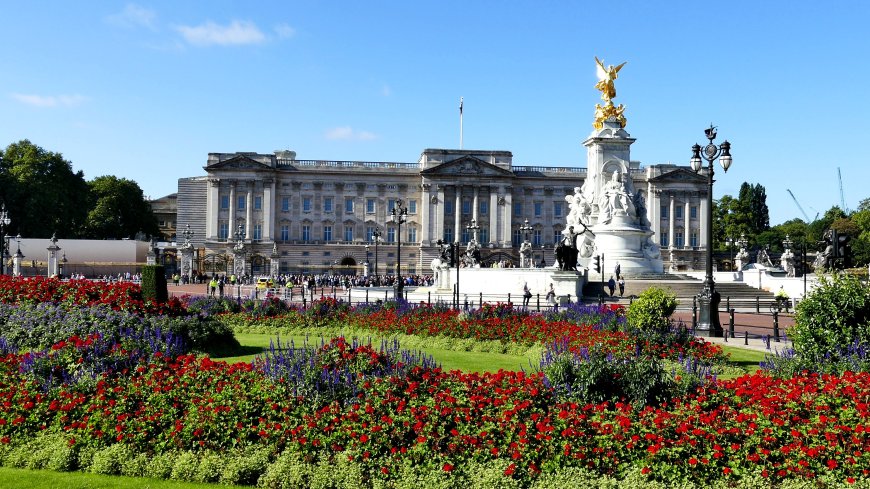

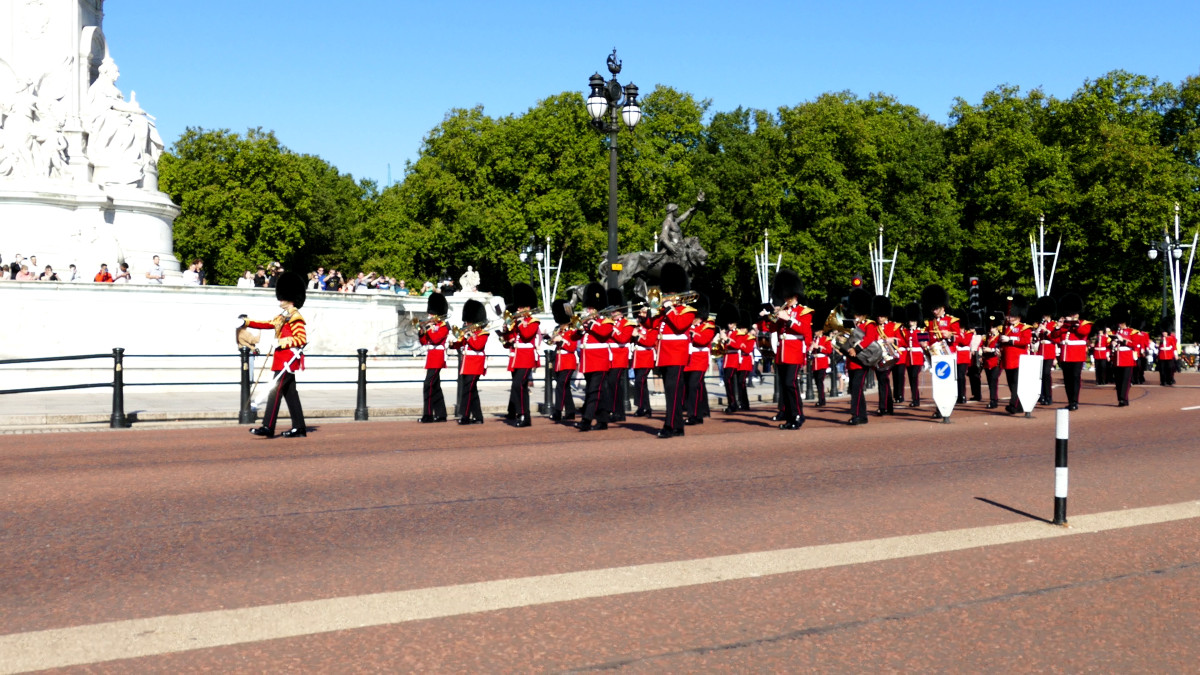
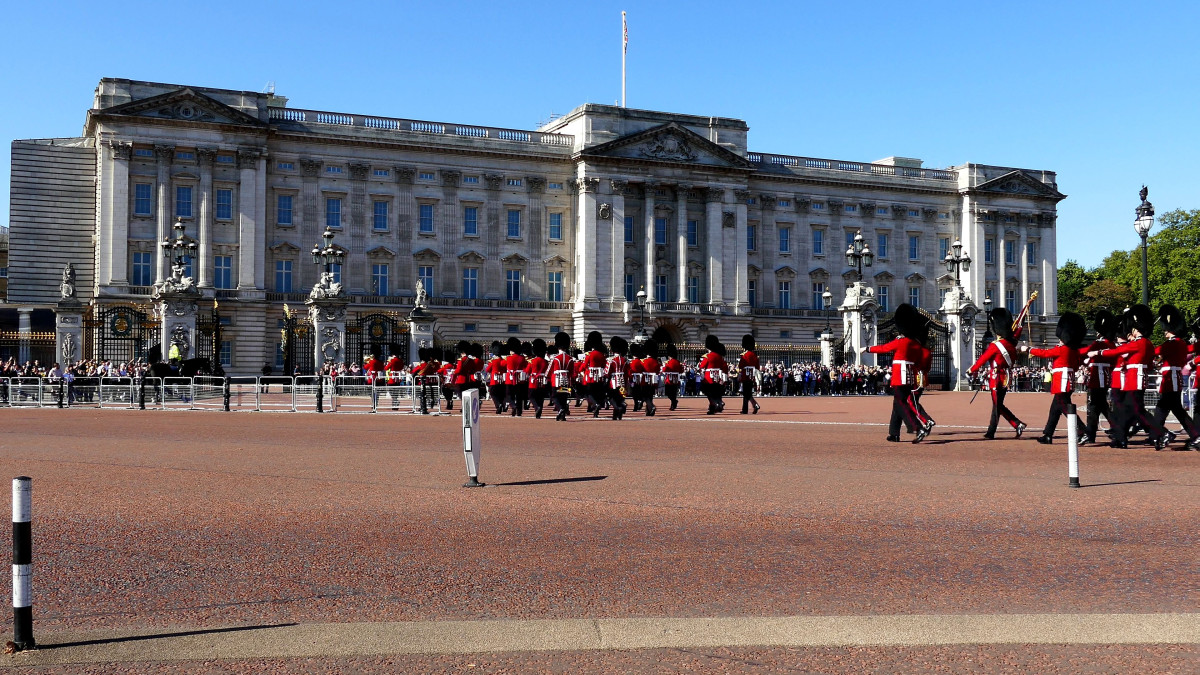
Standing at the heart of London, Buckingham Palace is far more than a grand building behind ornate gates. It is a living symbol of continuity, ceremony, and national identity, where history is not preserved behind glass but carried forward through daily tradition. For millions around the world, the palace represents the enduring image of the British monarchy, yet its deeper significance lies in how it connects pageantry with public service, heritage with modern life, and private duty with global visibility.
What makes Buckingham Palace so compelling is its ability to inspire at every level. First-time visitors are drawn by its scale, elegance, and famous balcony. Historians admire the layers of political and cultural change woven into its walls. Londoners, too, see it as a familiar landmark that still has the power to stir pride and curiosity. In a city filled with extraordinary architecture, Buckingham Palace remains singular because it is both a royal home and a national stage.
A palace shaped by history
The story of Buckingham Palace began in the early 18th century as Buckingham House, built for the Duke of Buckingham. It was acquired by King George III in 1761 as a private residence for Queen Charlotte, earning the affectionate name “The Queen’s House.” Over time, the building expanded dramatically, especially under George IV and the architect John Nash, who transformed it into a palace of greater ambition and ceremonial presence. Later additions and redesigns gave the palace the form recognized today, including the grand façade facing The Mall.
Its evolution mirrors the changing role of the monarchy itself. What started as a private retreat became the official London residence of the sovereign under Queen Victoria in 1837. Since then, Buckingham Palace has witnessed moments of celebration, mourning, diplomacy, and resilience. From wartime endurance during the Blitz to jubilees, royal weddings, and state occasions, it has remained a focal point for the nation’s emotional life. Few buildings can claim such a direct relationship with public memory.
Architecture, interiors, and artistic grandeur
From the outside, Buckingham Palace projects order, dignity, and permanence. The famous forecourt, the Victoria Memorial, and the ceremonial approach along The Mall create a sense of arrival that is unmistakably regal. Yet the true richness of the palace extends beyond its exterior. Inside, the State Rooms reveal a world of glittering chandeliers, fine furnishings, gilded details, and masterworks from the Royal Collection. These spaces were designed not merely to impress, but to communicate prestige, cultural refinement, and the seriousness of state hospitality.
Among the most admired interiors are the Throne Room, the White Drawing Room, and the Ballroom, each serving a distinct ceremonial purpose. The Grand Staircase offers one of the palace’s most dramatic visual experiences, while the Picture Gallery reflects generations of royal patronage and collecting. Every room contributes to a carefully choreographed environment where art, architecture, and protocol work together. The effect is not simply luxurious; it is theatrical in the noblest sense, turning official duty into an expression of national identity.
The King's official London residence and a working royal palace.
The working heart of the monarchy
Although often viewed as a tourist landmark, Buckingham Palace is above all a working building. It serves as the administrative headquarters of the monarch, hosting audiences, receptions, investitures, and state banquets throughout the year. World leaders are welcomed here, honors are presented here, and major royal announcements often resonate from here. Behind the polished public image is a complex institution supported by dedicated staff who ensure that centuries-old traditions continue to function in a modern world.
This dual identity gives the palace unusual power. It is at once a home, an office, and a ceremonial arena. In that balance lies much of its fascination. Buckingham Palace demonstrates that tradition is not static. It must be maintained, adapted, and interpreted for each new generation. The palace therefore stands not just for royal heritage, but for disciplined stewardship, where symbolism and service are expected to coexist.
Traditions that captivate the world
No experience captures the public imagination quite like the Changing of the Guard. With its precision, music, and scarlet uniforms, the ceremony transforms military routine into a spectacle of national character. Visitors gather in large numbers not only to witness a famous tradition, but to feel part of something enduring. In a rapidly changing world, these rituals offer reassurance that some values—duty, excellence, and continuity—still matter.
The palace balcony is another powerful symbol. Appearances there, whether during Trooping the Colour, jubilees, or royal celebrations, create unforgettable images shared across generations. These moments are brief, yet they carry remarkable emotional force. The balcony turns Buckingham Palace into a bridge between monarchy and public, formal institution and collective feeling.
- State Visits: The palace plays a leading role in royal diplomacy and international hospitality.
- Investitures: Individuals are honored for achievements in service, arts, sport, and public life.
- Seasonal Openings: Selected State Rooms welcome visitors, offering rare insight into royal ceremonial spaces.
- National Gatherings: The palace becomes a focal point during celebrations, commemorations, and historic announcements.
Visiting Buckingham Palace
For travelers, visiting Buckingham Palace is one of the defining experiences in London. During the summer opening of the State Rooms, guests can step inside rooms usually reserved for official occasions and gain a richer understanding of royal life and ceremonial culture. The surrounding area also enhances the visit. St James’s Park, Green Park, and the processional route of The Mall frame the palace beautifully, inviting visitors to slow down and appreciate the setting rather than merely take a photograph and move on.
To make the most of a visit, it helps to plan with purpose:
- Arrive early for the best views of the forecourt and ceremonial activity.
- Check official schedules for State Room access and guard ceremonies.
- Combine the palace with nearby landmarks for a fuller royal London itinerary.
- Take time to observe details such as gates, memorials, and the surrounding landscape.
Even from outside, Buckingham Palace leaves a lasting impression. Its power does not depend solely on entry. The building communicates through atmosphere, ritual, and presence. Simply standing before it, one senses how architecture can embody history and how place can shape public imagination.
A symbol that continues to evolve
Perhaps the greatest lesson of Buckingham Palace is that relevance is not achieved by abandoning tradition, but by renewing its meaning. The palace has adapted across centuries of social and political change while preserving the visual language that makes it instantly recognizable. It remains a symbol not because it is frozen in time, but because it continues to serve a role larger than itself.
In that sense, Buckingham Palace is more than an attraction on a London itinerary. It is a reminder that institutions endure when they combine heritage with responsibility, ceremony with humanity, and grandeur with purpose. Whether admired for its architecture, its royal history, or its role in public life, the palace invites reflection on what nations choose to honor and how they express continuity through place.
For visitors and admirers alike, Buckingham Palace offers something rare: inspiration rooted in permanence. It shows that beauty can serve duty, that ritual can create belonging, and that a building can become a vessel for the hopes, memories, and identity of a people. In every season, under every flag, and through every chapter of modern history, Buckingham Palace remains one of the world’s most powerful and recognizable landmarks.